
Mychal Threets reveals OCD, bipolar, ADHD, autism after hospital stay
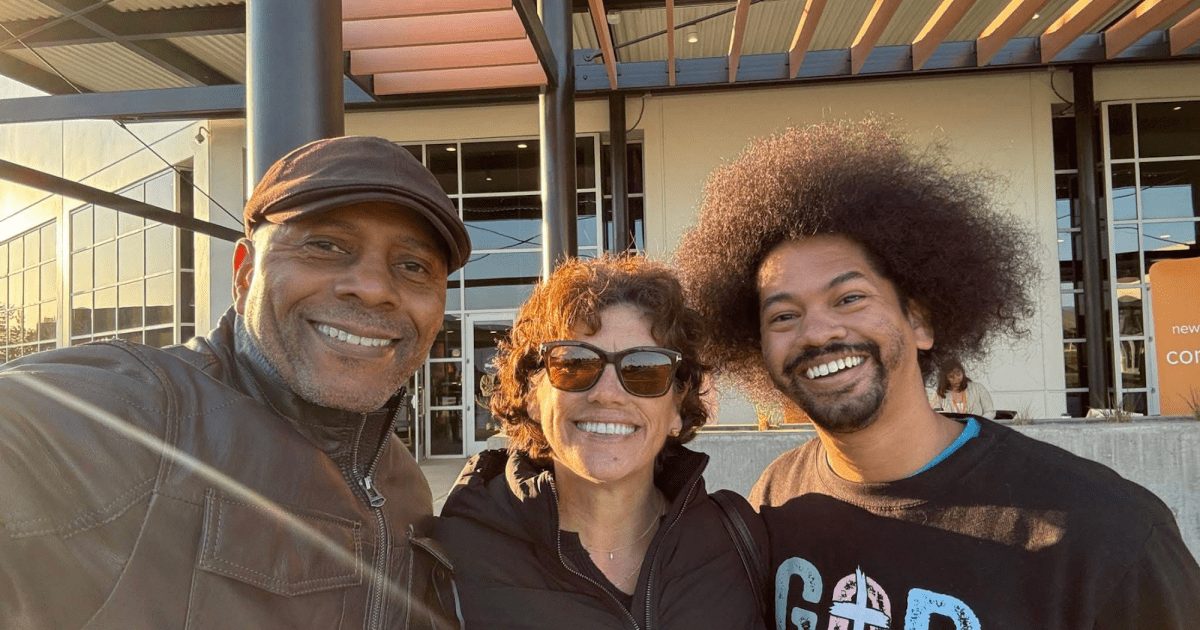
Mychal Threets, the 36‑year‑old librarian who took over as host of Reading Rainbow’s 2025 revival, posted a heartfelt thank‑you to his parents on social media after a recent psychiatric hospitalization. The TikTok‑famous influencer said, “Not everyone has a mom and dad who help them seek help.
I do!” He shared the message with a selfie alongside his parents on Threads on Saturday, August 28.
Earlier this month, Threets checked into an inpatient treatment facility after announcing that he was “not OK” and would seek help at a local hospital. He was discharged on August 22 after a five‑day “psychiatric hold.” On the same day he confirmed diagnoses of OCD and bipolar disorder in a social‑media post.
In a video posted on August 28, Threets revealed additional neurodivergent diagnoses.
He said, “I was diagnosed with being autistic, as having ADHD on April 11, 2026, [and] I’m proud to be autistic, I’m proud to have ADHD [and] I’m proud to be neurodivergent.” The influencer added that knowing these conditions earlier would have helped him understand his challenges better.
## Background & Context
Reading Rainbow’s revival, led by Threets since 2025, has highlighted his background as a librarian and his reputation for candidness about mental health. He has previously discussed anxiety on TikTok and other platforms, framing it as a normal part of his life.
The recent hospitalization marked the first time he publicly disclosed seeking inpatient psychiatric care, making the announcement both personal and public.
The announcement of OCD and bipolar disorder came during a brief period of recovery. Threets’ statements have stressed that he has always appreciated family support in navigating mental health, a sentiment that resurfaced in his latest posts.
By contrast, the August 28 video added autism and ADHD diagnoses to the list, further clarifying his neurodivergent profile.
## What People Are Saying
Threets used Threads and other social‑media outlets to communicate directly with fans. “Not everyone has a mom and dad who call them every day when they are on a Grippy sock vacation. I do!” he wrote, referencing his parents’ daily check‑ins during his treatment.
He continued, “Not everyone has a mom and dad who let them stay at their home after leaving the psychiatric hospital because they don’t feel safe all alone at night. I do!”
He also expressed gratitude for parents who are open to discussing neurodivergence. “Not everyone has a mom and dad who are open to talking about neurodivergence, who are open to learning about their neurodivergent child. I do!” he added.
In a separate video, he emphasized the emotional toll of his diagnoses: “All these things have resulted in so much stress and so many awful, dark [and] very hard thoughts with really, really hard days,” he said.
Despite the hardships, Threets pledged resilience. “I’m never gonna stop searching for joy,” he stated.
He went on to say that as long as he is alive, he will seek hope and joy “no matter the grief, no matter the sorrow, the sadness, the despair, the depression.” His closing remarks included an invitation for others to feel less alone and a reminder that help is available .org.
## What Happens Next
Threets did not announce any specific treatment plans beyond his recent diagnoses. He confirmed that he was discharged from inpatient care and is now focusing on outpatient support and ongoing therapy.
The influencer’s public statements underscore a commitment to transparency about his mental‑health journey, but no further dates or appointments were disclosed.
Fans and followers can expect continued updates in the form of short videos or Threads posts, as Threets has repeatedly used these platforms to share his experiences.
He remains an advocate for open conversations around neurodivergence and mental‑health challenges, emphasizing that support from family and friends can be a crucial lifeline. The next steps will likely involve outpatient management of OCD, bipolar disorder, ADHD, and autism, with ongoing dialogue with healthcare providers.
Why It Matters
Our Take
GoNews Pulse Editorial Team
This article was prepared for publication by GoNews Pulse and checked for publication requirements under our editorial standards. We review available information and correct material errors when they are identified.
Quick Answers
- What is the latest update on this story?
- He says family support lifts him as he finally opens up about OCD, bipolar, ADHD and autism.
- Who is this story about?
- This article covers developments related to Mychal Threets reveals OCD, bipolar, ADHD, autism after hospital stay. GoNews Pulse's editorial team monitors the story and updates the article as new verified information becomes available.
- Where can I read more about Mychal Threets?
- GoNews Pulse publishes original reporting on Mychal Threets and related entertainment news. Visit the homepage or browse the section dedicated to this story for the latest coverage.
Related topics
- #Mychal Threets
- #Reading Rainbow
- #Bipolar Disorder
More From This Section

Jon Gosselin's 22‑Year‑Old Son Exposes Abuse, Father Shouts Support
Jon Gosselin declares that his son’s 22‑year‑old memoir exposes alleged institutionalization and a hidden ‘small holding’ cell, sparking a national debate.

Mike Colter's Valley Firm AGI Bo Revealed at 2:00 a.m. Shocks Fans
Rob McClure's portrayal of Bo forces the firm to confront a real‑world AGI asking for legal guardrails, sparking a tense ethical debate.

Meredith Grey's bed proposal to Nick on surgery table stuns fans
Meredith Grey slipped a ring into Nick's hand while he lay on the operating table, a move that stunned fans amid the bridge collapse.