
Prince William plans to strip Harry and Meghan of royal titles by 2025
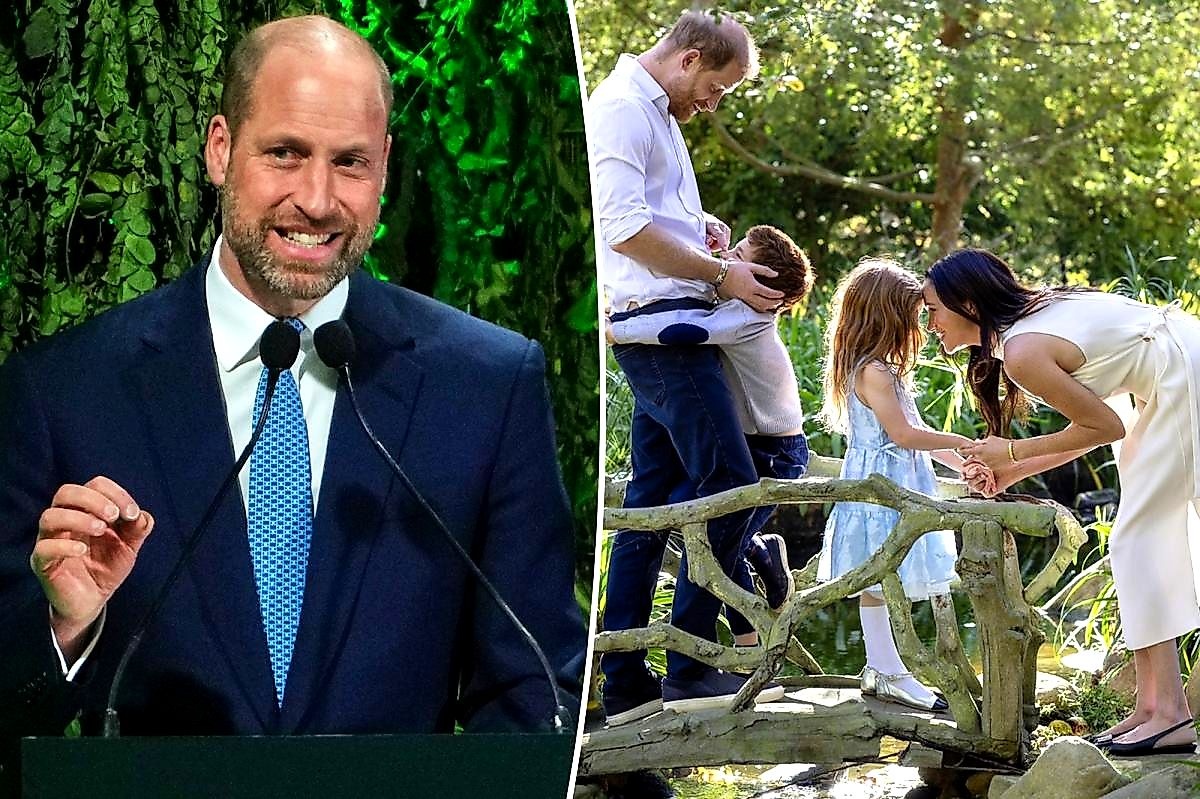
# **Prince William’s Planned Title Shake‑Up Could Strip Harry, Meghan and Their Kids of Their Royal Designations** Prince William, the heir apparent to the British throne, has reportedly set his sights on a sweeping reshuffle of royal titles that could strip his estranged brother Harry, Meghan Markle and their young children of the very designations that have defined them for years.
The plan, first disclosed in a forthcoming book by former royal correspondent Tom Sykes, would see the Duke and Duchess of Sussex lose the honorifics of HRH and Prince or Princess, along with the privileges that come with those titles.
If implemented, Archie, 7, and Lilibet, 5, would become private citizens rather than royal figures. The idea that William intends to reserve HRH titles for “working royals”—those actively representing the monarchy abroad or undertaking official duties—has ignited a storm of speculation.
The move would effectively create a new, merit‑based hierarchy within the family, a concept that stands in stark contrast to centuries of hereditary privilege.
Critics warn that such a shift could destabilize public perception of the monarchy, while supporters argue it would modernize an institution that has struggled to remain relevant in an age of social media scrutiny.
While no official confirmation has emerged from the palace or the Sussexes, the rumors have reverberated across fan forums, social media, and political commentary. The timing amid ongoing discussions about the monarchy’s future has amplified the sense of urgency.
As William prepares to ascend the throne, the question remains: will he follow through on a plan that could redefine the very fabric of the royal family? ## Background & Context Prince William, 44, ascended to the title of Prince of Wales after his father, King Charles III, took the throne last year.
He has spent most of his adult life in the public eye, serving as the senior working member of the family and carrying out a busy schedule of engagements ranging from charitable events to state visits.
His public persona, shaped by a mix of tradition and media savvy, has positioned him as the natural heir to a modernised monarchy that embraces both duty and public expectation.
Prince Harry, 42, and his wife, Meghan Markle, 45, announced in 2020 that they would step back from senior royal duties, a decision that effectively made them “private citizens” while retaining the style of HRH.
The couple relocated to Montecito, California, where they have pursued media ventures and humanitarian projects, often speaking candidly about their experiences within the palace.
Their departure left a visible void in the public face of the monarchy, especially as the younger generation—Archie and Lilibet—had previously carried on the family’s public duties in their mother’s stead.
Tom Sykes, a former royal correspondent who has chronicled the family’s inner workings for decades, claims that William is drafting a new framework that rewards active service over birthright.
In his upcoming volume, *The Dukes: Edward VIII, Andrew, and Harry ― the Men Who Undermined the Modern Monarchy*, Sykes argues that William wants HRH titles tied to tangible responsibilities.
The proposal would leave those who opt out of official roles—such as the Sussexes—without the royal style or the attendant allowances and residences traditionally granted to the family. ## What People Are Saying Reps for Harry and Meghan have remained tight‑lipped, refusing to weigh in on the claim, while the palace issued a generic statement stressing that it does not comment on books or allegations.
The lack of a formal response has only amplified the intrigue, prompting a flood of speculation from fans to pundits alike. Many observers note that the story is still years away from any concrete action, but the mere mention of a title revamp carries weight given the monarchy’s enduring public mandate.
On social media, the narrative has ignited a mixed chorus. Some tweets praise the idea of a merit‑based system that could align royal responsibilities with public expectations, while others decry it as a needless erosion of tradition.
Commentators from the media and academia have weighed in, suggesting that such a shift could spark broader debates about the role of monarchy in a democratic society.
The conversation has also highlighted the generational divide, with younger followers questioning the relevance of hereditary titles in a world that prizes skill and transparency.
Legal analysts point out that any formal redefinition of royal titles would require an amendment to the Royal Titles Act, a legislative change that has not yet been pursued. In the absence of such legal backing, the proposal remains speculative, though it could influence future policy discussions.
Meanwhile, members of the public and former insiders alike are watching William’s upcoming engagements with keen interest, as the prince’s stated openness to change during his recent Apple TV+ interview suggests that the monarchy may be on the cusp of a subtle but significant shift. ## What Happens Next William’s official schedule over the next year is already dense, with visits to the armed forces, cultural institutions, and a forthcoming state banquet at Windsor Castle.
Any move to reconfigure titles would likely be introduced as part of a larger agenda during one of these high‑profile events.
Critics argue that such an announcement would need to be accompanied by clear legal documentation and public consultation, lest the royal family risk a backlash from those who view tradition as a national heritage.
From a constitutional standpoint, any shift in the allocation of royal titles would trigger a review by the Crown and the Parliament. The Royal Titles Act of 1953 currently codifies the inheritance of HRH status, and amending it would require a bill passed by both houses of Parliament.
In addition, the Treasury would need to reassess the financial arrangements tied to the titles, such as the Sovereign Grant and personal allowances. This process, though lengthy, could provide an opportunity for the monarchy to clarify its modern purpose.
Public opinion will likely shape the speed and nature of any reform. In the past, the monarchy’s response to public pressure—such as the 1999 decision to cut the personal allowances of senior royals—demonstrated its capacity for adaptation.
If William proceeds with a structured plan to tie titles to active service, the next few years could witness a re‑imagining of the royal household, potentially paving the way for a more inclusive and accountable institution. The world will be watching to see whether the crown chooses continuity or bold change.
Whether Prince William’s plans materialise, they already signal a willingness to interrogate centuries of protocol.
As the British public turns its attention to the evolving narrative, one thing is certain: the next chapter of the royal family will be written in a language that balances heritage with the demands of a modern nation.
At a Glance
- Prince William is allegedly drafting a new title framework that rewards active service over birthright, potentially stripping Harry, Meghan, and their children of HRH status.
- The proposal would cut the Sussexes’ royal style and associated allowances, creating a merit‑based hierarchy that could reshape public perception of the monarchy.
- Implementing such a change would require amending the Royal Titles Act and could spark debate over tradition, accountability, and the future role of the monarchy in a democratic society.
Why It Matters
Our Take
GoNews Pulse Editorial Team
This article was prepared for publication by GoNews Pulse and checked for publication requirements under our editorial standards. We review available information and correct material errors when they are identified.
Quick Answers
- What is the latest update on this story?
- Sources say William will reserve HRH titles for active working royals, which could strip the Sussexes of their royal status.
- Who is this story about?
- This article covers developments related to Prince William plans to strip Harry and Meghan of royal titles by 2025. GoNews Pulse's editorial team monitors the story and updates the article as new verified information becomes available.
- Where can I read more about celebrity news?
- GoNews Pulse publishes original reporting on celebrity news and related entertainment news. Visit the homepage or browse the section dedicated to this story for the latest coverage.
More From This Section
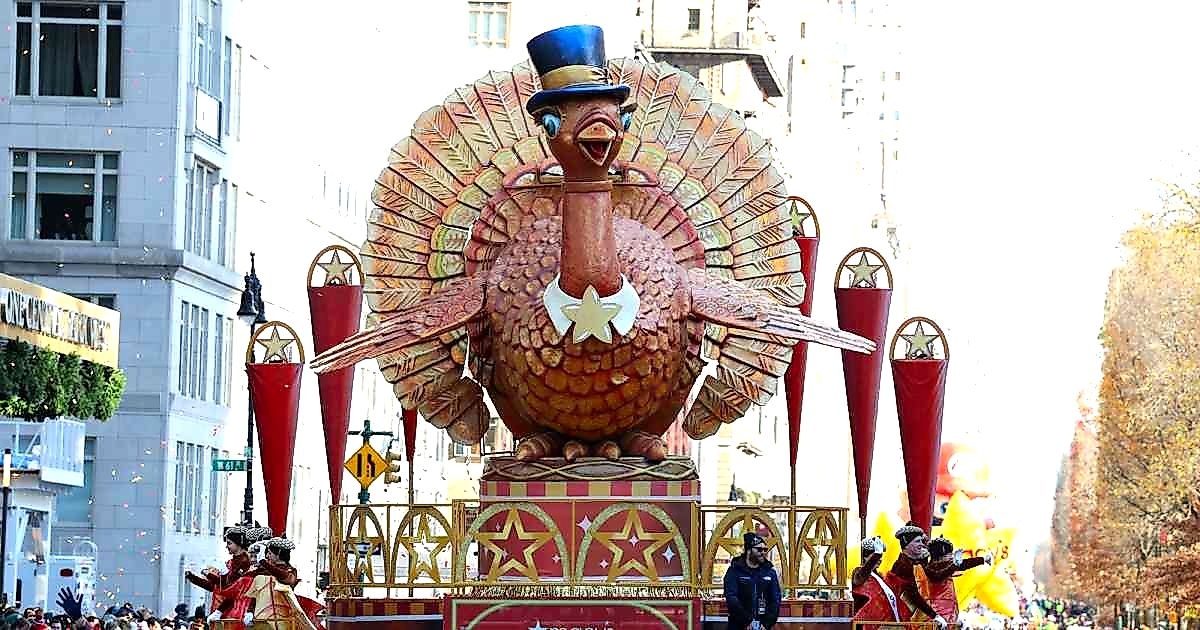
Macy’s 100th Parade moves Thanksgiving to Saturday, rattling NYC
The post notes that a 40‑mph wind forecast and high surf could endanger balloons, prompting organizers to shift the event to a safer Saturday.
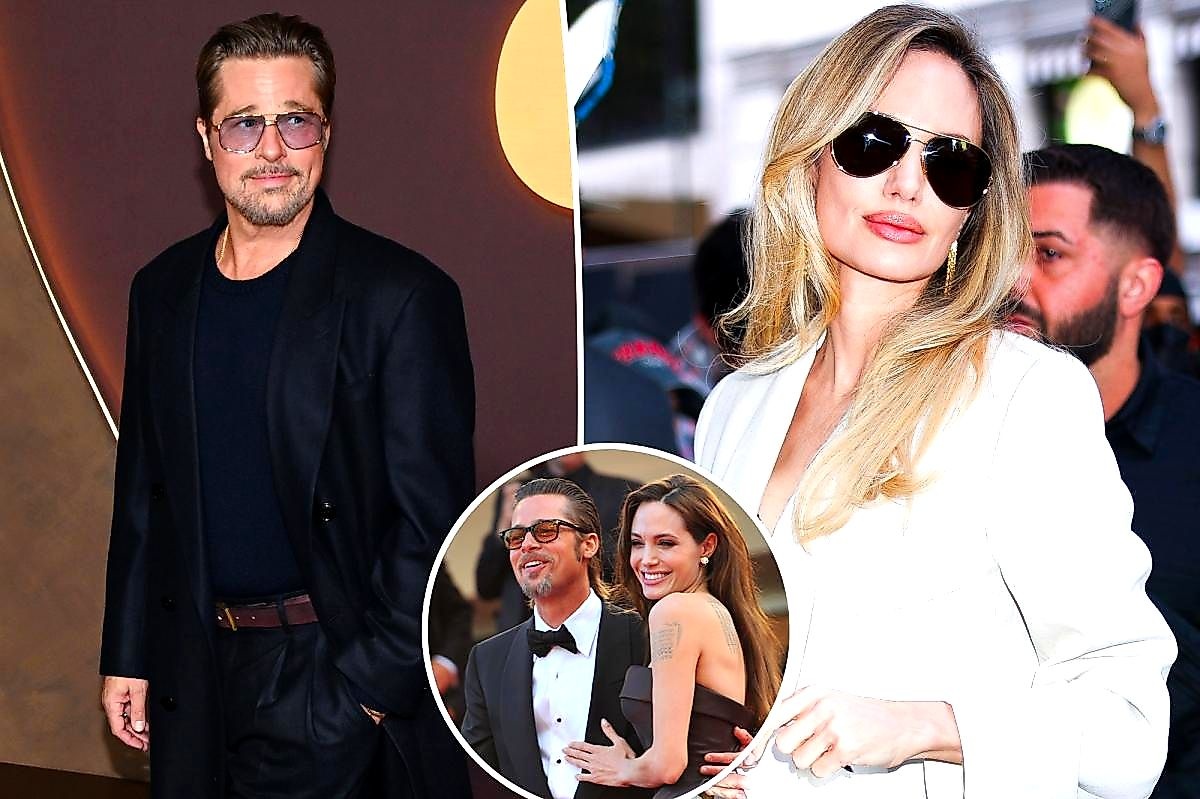
Brad Pitt & Angelina Jolie End 8-Year Miraval War, $10M Settlement
The exes' joint statement confirmed a confidential $10 million settlement, ending a courtroom saga that rattled Hollywood's wine industry.
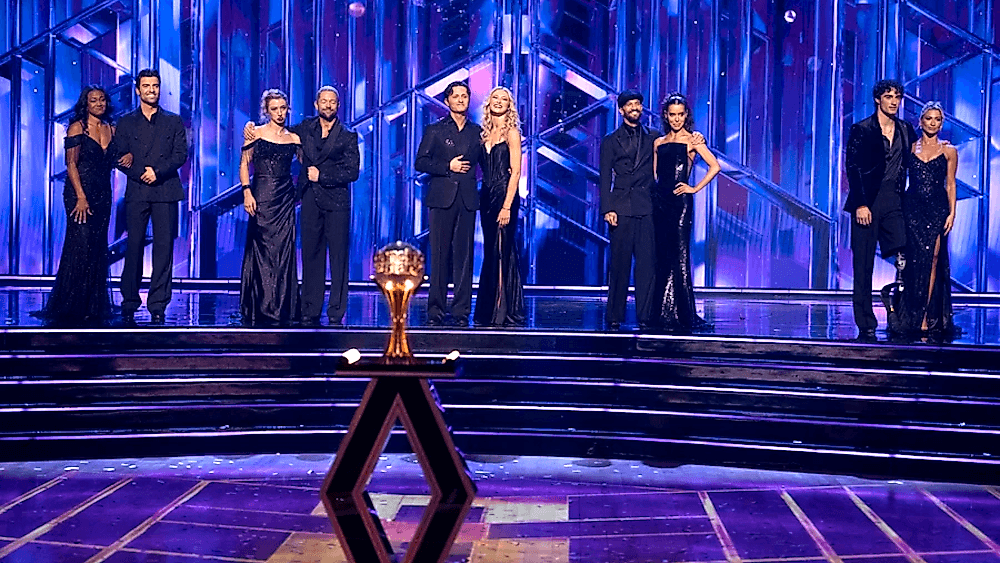
Ezra Frech, 27, wins DWS as youngest champion and first amputee
The finale drew 9.2 million live‑plus‑same‑day viewers, matching last year’s numbers and smashing a 2.38 rating in the 18‑49 demo that fans still replay.