
Porsha Williams' 21-Fibroid War Ends with Life‑Saving Hysterectomy
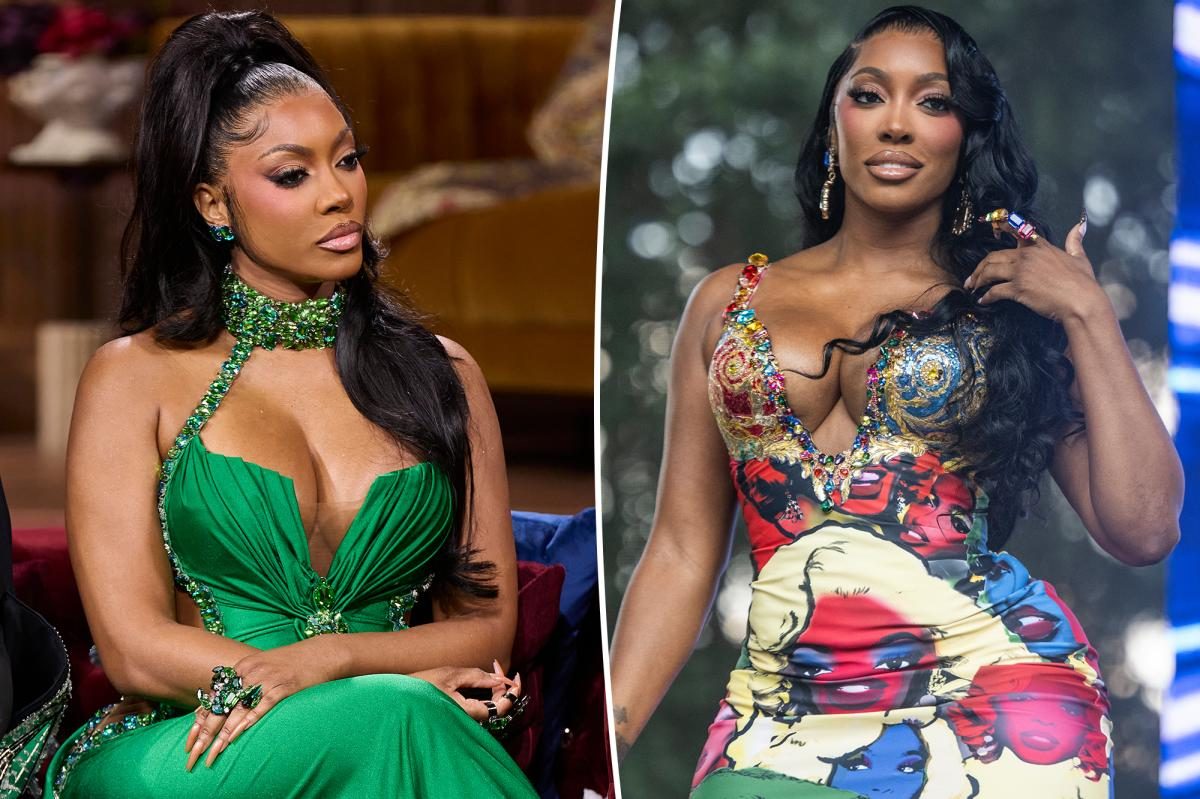
Porsha Williams, the Real Housewives of Atlanta star, said she had an emergency hysterectomy in May that saved her life. The 45‑year‑old disclosed that doctors removed her uterus while preserving her ovaries during a fertility appointment to discuss egg freezing.
She found more than 15 large fibroids, endometriosis, and an additional diagnosis involving the uterine lining.
During the surgery, doctors discovered a total of 21 fibroids, with the largest measuring “the size of a cantaloupe.” After waking from anesthesia,
Williams wrote that she “woke up after the surgery and thought, ‘A part of me is gone.’” She explained that fibroids had caused migraines, low iron levels, and impaired her ability to have sex because they had grown large enough to block more than 60 % of her birth canal and put her bladder at risk.
She also shared how the procedure changed her outlook on motherhood and fertility. At 45 and approaching perimenopause, Williams said she was “stunned” by the diagnosis and feared that the surgery would end her chances of carrying another child or having eggs retrieved for a surrogate.
She described the moment as “the door had officially closed,” but she also noted a profound improvement in her quality of life.
The medical team performed a partial hysterectomy, removing only the uterus while leaving her ovaries intact.
Williams emphasized that this decision was not optional; she “didn’t have a choice about the hysterectomy.” She added that the removal of the fibroids relieved her from chronic pain, improved her hormone balance, and reduced stress on her body.
“I’ve always called my daughter my lifesaver,” she wrote, underscoring how the experience has made her more present and grateful for Pilar.
In a recent interview with host Gayle King, Williams urged other women to advocate for their own health. “We have to stop diagnosing ourselves,” she said.
“There are so many different things when it comes to a woman that you need to get checked, and we need to learn to advocate for ourselves.” She explained that seeing another woman discuss fibroids would have prompted her to ask her doctor for a check sooner.
Williams has shared a history of reproductive challenges, including a miscarriage six years prior and a 7‑year‑old daughter with her ex‑husband Dennis McKinley. She separated from McKinley in 2020, married Simon Guobadia in 2022, and divorced three years later. She has been dating Patrice “Sway” McKinney since last year.
Her disclosure brings attention to the prevalence of fibroids—often overlooked in public discourse—and the stigma surrounding hysterectomies. By publicly detailing her medical journey, Williams hopes to encourage women to seek timely evaluations and not hesitate to ask for comprehensive uterine checks.
The conversation she sparked underscores the importance of proactive gynecological care and the need for broader awareness about women's reproductive health issues.
---
## A Brief History of Fibroids
Uterine fibroids, or leiomyomas, are benign tumors that develop from the muscular tissue of the uterus. They affect up to 70 % of women by age 50, yet many remain undiagnosed because symptoms can range from mild cramping to severe pain and heavy bleeding.
Historically, fibroids were often dismissed as a “normal part of aging,” leading to delayed treatment and a proliferation of myths that they were harmless.
The medical community has made strides in early detection, with routine ultrasounds and MRI scans now common in women over 35. However, the cultural taboo surrounding discussions of reproductive health—especially on topics like hysterectomy—has kept many silent.
Porsha’s candidness therefore not only demystifies a complex condition but also challenges the long‑standing hesitancy that prevents women from seeking help.
## The Surgery and Its Significance
What makes Williams’ case particularly striking is the timing of her hysterectomy. She was in the middle of a fertility appointment, discussing egg freezing, when her surgeon found 21 fibroids. The decision to perform a partial hysterectomy—removing the uterus while preserving the ovaries—was both life‑saving and fertility‑conservative.
It addressed the immediate threat of severe anemia and pain while keeping her hormonal axis intact.
Surgeons typically weigh the risks of hysterectomy against benefits such as relief from heavy bleeding, pain, and potential malignant transformation. In Williams’ situation, the sheer size and number of fibroids made conservative measures like myomectomy impractical.
By opting for a uterus‑only procedure, the team avoided the higher morbidity associated with a total hysterectomy, such as loss of ovarian function and subsequent early menopause.
## Fan Reactions: From Shock to Support
The Real Housewives fandom erupted on social media after Williams posted her story. Twitter threads were flooded with “I’m so proud of you!” and “We’ve been waiting for this.” Many fans expressed gratitude that a beloved public figure was shedding light on a condition that often goes unspoken.
In the comments, several women shared their own experiences with fibroids, praising Williams for encouraging them to pursue medical evaluation.
One fan wrote, “I had to learn how to talk to my doctor about it because of the shame. Thank you for showing me it's okay to say ‘my uterus feels heavy.’” Others posted photos of their own ultrasounds, turning an online conversation into a community of mutual support and education.
The response indicates a generational shift in how women discuss reproductive health—moving from secrecy toward solidarity.
## Industry Impact: Media, Advocacy, and Beyond
Williams’ disclosure has resonated beyond her fan base. In the realm of entertainment, it spurred discussions among producers about incorporating more authentic medical storylines into reality programming.
Several talk show hosts have begun to feature guest speakers—obstetricians and gynecologists—to demystify conditions like fibroids for a broader audience.
On the advocacy front, the Real Housewives fan community has partnered with organizations such as the Fibroid Foundation to host webinars and fundraise for research into new treatments. The increased visibility has also prompted calls for updated screening guidelines.
Some medical societies are now reevaluating recommendations for routine ultrasound screening in mid‑life women, especially those with a family history of fibroids.
the conversation has sparked interest among pharmaceutical companies developing less invasive treatments. Drugs that shrink fibroids by targeting estrogen receptors are in late‑stage trials, and public figures like Williams help accelerate awareness and funding for such innovations.
## Personal Life Context: A Journey of Resilience
Williams’ medical story cannot be separated from her personal journey. She has navigated multiple relationships, a high‑profile divorce, and the challenges of raising a child as a single mother. Her candidness about miscarriage, fertility struggles, and now life‑saving surgery paints a portrait of resilience that fans admire.
Her relationship with Patrice “Sway” McKinney adds another layer to her narrative. The couple’s public appearances—attending charity events and sharing heartfelt moments—underscore the role of supportive partnerships in coping with health crises.
Williams often credits Sway for encouraging her to seek early medical advice, which may have prevented a more dire outcome.
## A Call to Action
In her interview with Gayle King, Williams emphasized self‑advocacy: “We have to stop diagnosing ourselves.” She urged women to be proactive—schedule regular check‑ups, pay attention to unusual symptoms, and ask for comprehensive uterine evaluations.
Her message extends beyond fibroids; it’s a broader push for better women's health literacy.
Her story reminds us that medical decisions are deeply personal yet can have ripple effects across communities. By sharing her experience, Williams has turned a private struggle into a public platform, encouraging dialogue, education, and ultimately, healthier futures for countless women.
---
Why It Matters
Our Take
GoNews Pulse Editorial Team
This article was prepared for publication by GoNews Pulse and checked for publication requirements under our editorial standards. We review available information and correct material errors when they are identified.
Quick Answers
- What is the latest update on this story?
- She spots 21 huge fibroids, battles for her life, and survives a daring surgery that spares her ovaries—her story ignites a surge in women's health advocacy.
- Who is this story about?
- This article covers developments related to Porsha Williams' 21-Fibroid War Ends with Life‑Saving Hysterectomy. GoNews Pulse's editorial team monitors the story and updates the article as new verified information becomes available.
- Where can I read more about Porsha Williams?
- GoNews Pulse publishes original reporting on Porsha Williams and related entertainment news. Visit the homepage or browse the section dedicated to this story for the latest coverage.
Related topics
- #Porsha Williams
- #partial hysterectomy
More From This Section

Jon Gosselin's 22‑Year‑Old Son Exposes Abuse, Father Shouts Support
Jon Gosselin declares that his son’s 22‑year‑old memoir exposes alleged institutionalization and a hidden ‘small holding’ cell, sparking a national debate.

Mike Colter's Valley Firm AGI Bo Revealed at 2:00 a.m. Shocks Fans
Rob McClure's portrayal of Bo forces the firm to confront a real‑world AGI asking for legal guardrails, sparking a tense ethical debate.

Meredith Grey's bed proposal to Nick on surgery table stuns fans
Meredith Grey slipped a ring into Nick's hand while he lay on the operating table, a move that stunned fans amid the bridge collapse.