
Phil Collins' 75 Tears Up Over Lily's Christmas Cry, Revealed
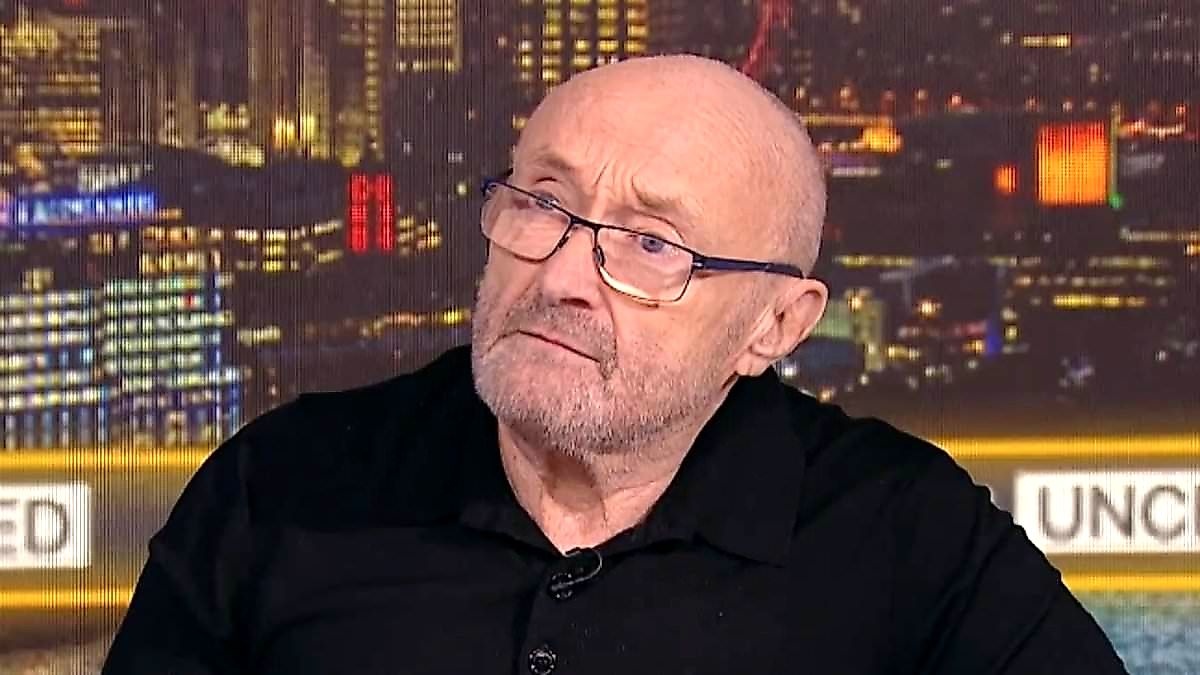
# Phil Collins Says Lily Collins Broke Down in Tears Over His Alcoholism Phil Collins, the former Genesis front‑man, opened up about a deeply personal moment that sent shockwaves through his family and fans alike.
In a candid interview with Piers Morgan, the 75‑year‑old singer revealed that his daughter, Lily Collins, broke down in tears at Christmas two years ago, terrified that he might die from his long‑standing struggle with alcohol.
The revelation came after the musician’s harrowing hospital stay in April 2024, when he spent several weeks on life support in a Swiss facility following complications from pancreatitis linked to years of heavy drinking.
The story is not just about a single, painful event; it’s a chapter in a life marked by both triumph and turmoil. Collins’ battle with alcohol has spanned decades, erupting into a near‑fatal crisis that forced his family to confront the harsh realities of his condition.
From a sudden shift from studio to intensive care unit, to the emotional toll on his children, the narrative captures the fragility of health and the weight of legacy.
It also exposes the layered relationship between father and daughter, one that has evolved from distant, absent figures to a more honest, if complicated, reconciliation. In the months following his April hospitalization, Collins has spoken openly about how the experience forced him to reassess his priorities.
He describes the ordeal as “sobering” and insists that it made him more aware of the dangers of his drinking.
At a time when he is 75 and reflecting on a lifetime of touring, family, and personal struggles, the singer’s story has become a poignant reminder that fame does not shield one from vulnerability. ## Background & Context Phil Collins’ journey to the Swiss hospital began with a series of health scares.
In early 2024, he was admitted to a Swiss clinic for pancreatitis—a condition that can be aggravated by excessive alcohol consumption. The situation escalated when his kidneys failed, forcing him onto a dialysis machine.
Collins recalled that he had never been in a hospital before, and the experience was “literally sobering.” During the stay, his manager, Tony Smith, gathered the five Collins children—Joely, Simon, Lily, Nic, and Mathew—to discuss his condition and the difficult choices that lay ahead.
The family’s involvement, and the sense of crisis that gripped them, set the stage for a deeper examination of the singer’s health and familial relationships. Collins has long been open about his drinking habits, but he insists that they were never tied to the type of drunkenness people often imagine.
He said, “I would wake up in the morning and want a glass of wine, but I would never drink after 6 pm at night.” He emphasized that he never drank during work, because singing required focus.
The narrative surrounding his alcoholism is thus nuanced: it was a coping mechanism for underlying stressors—including a deteriorating marriage to his third wife, Orianne Cevey, and the demands of a high‑profile career that began in the late 1970s.
The singer’s candidness in describing these struggles provides context for Lily’s reaction at Christmas two years ago, when the fear that he might die from alcohol’s toll shattered the family's sense of security.
The emotional climax unfolded at a family Christmas gathering, when Lily Collins—who has become a mother herself to a baby girl, Tove Jane McDowell—burst into tears. She said she had never imagined her son would get to know her grandfather, underscoring the emotional distance that had grown between them.
The singer’s hospitalization had made the possibility of losing him all too real, a realization that was both heartbreaking and sobering for Lily.
The moment also illuminated the broader generational impact of Phil Collins’ health crisis, as the children wrestle with their father’s legacy amid public scrutiny and private grief. ## What People Are Saying In a reveal that struck a chord with listeners, Collins described how he was moved when Lily shared the letter she had written in her 2017 book, *Unfiltered: No Shame, No Regrets, Just Me*.
The open letter, which expressed forgiveness for Collins’ shortcomings as a father, had caused mixed reactions within the family. Lily admitted that, in hindsight, she regretted the hurtfulness of the letter, even though it had been an attempt to process her feelings.
Collins stated that he had only read the letter once, and that it had left him feeling hurt, yet also made him aware of the gap that had existed between them. The public response has been twofold.
Some listeners applaud Collins for his vulnerability and his willingness to address a difficult subject. Others, however, have pointed out that his past marriages and infidelities have complicated the narrative of a paternal figure seeking redemption.
The singer himself has spoken of regrets surrounding his three marriages, noting that although he lost relationships, he gained five children. His admission that he never wanted to be married three times resonates with those who see the complexity of his personal life.
In the broader entertainment community, the story has ignited conversations about the toll of fame on personal health and relationships.
Musicians and actors alike have spoken about the pressures that can lead to substance abuse, and Collins’ transparency has provided a high‑profile example of how these issues can ripple across generations.
By opening up about his struggles, he offers a cautionary tale that many in the industry can identify with, even as the specifics of his situation remain deeply personal. ## What Happens Next Phil Collins’ hospitalization and Lily’s emotional confession have set the stage for an ongoing journey toward healing.
Collins himself has said that the experience has forced him to confront how he spends his time, especially after retiring from touring. He now says that he limits alcohol consumption to mornings, and deliberately avoids drinking after 6 pm to protect his health.
The singer’s willingness to share this new routine offers a glimmer of hope for the rest of his family and the public who have followed his career. On a personal level, the Collins family appears to be taking steps to bridge the gap that has widened over the years.
While Lily’s letter had once caused pain, the conversation that followed has begun to build a path toward mutual understanding. The musician’s openness to discussing the difficulties of his past marriages and his attempts to be present for his children suggests that a more intimate relationship may be within reach.
In the days ahead, it is likely that the family will continue to explore ways to support one another, perhaps by engaging in therapy or open family meetings that could provide a safe space for all five children to express their feelings.
In the entertainment world, the story may prompt other high‑profile figures to examine their own habits and familial dynamics.
Collins’ candid interview on *Piers Morgan Uncensored* has already sparked a wave of conversation across social media platforms, where fans and commentators alike have debated the interplay of fame, health, and responsibility.
The public’s fascination with the tale will likely keep it alive as a cautionary narrative—one that underscores the importance of honesty, empathy, and the relentless pursuit of better health.
Phil Collins’ journey from the heights of rock stardom to a quiet, introspective period marked by personal crisis and renewed connection is still unfolding.
As he navigates the aftermath of his hospitalization, his family and audience will be watching to see how he turns the painful chapter into a story of resilience and forgiveness.
The next chapter, though still unwritten, promises a more honest, grounded relationship between a famed musician and his children—one that may inspire others to confront their own shadows with courage.
At a Glance
- Phil Collins admits he never drinks after 6 pm to safeguard his health.
- Lily Collins burst into tears at Christmas when she realized her father's alcoholism could be fatal.
- The candid family dialogue sparks a broader conversation about celebrity health and generational impact.
Why It Matters
Our Take
GoNews Pulse Editorial Team
This article was prepared for publication by GoNews Pulse and checked for publication requirements under our editorial standards. We review available information and correct material errors when they are identified.
Quick Answers
- What is the latest update on this story?
- Phil Collins confesses he’d never drink after 6 pm, while Lily Collins cried at Christmas after learning he could die from his alcohol use—an emotional shock for fans.
- Who is this story about?
- This article covers developments related to Phil Collins' 75 Tears Up Over Lily's Christmas Cry, Revealed. GoNews Pulse's editorial team monitors the story and updates the article as new verified information becomes available.
- Where can I read more about celebrity news?
- GoNews Pulse publishes original reporting on celebrity news and related entertainment news. Visit the homepage or browse the section dedicated to this story for the latest coverage.
More From This Section

Jon Gosselin's 22‑Year‑Old Son Exposes Abuse, Father Shouts Support
Jon Gosselin declares that his son’s 22‑year‑old memoir exposes alleged institutionalization and a hidden ‘small holding’ cell, sparking a national debate.

Mike Colter's Valley Firm AGI Bo Revealed at 2:00 a.m. Shocks Fans
Rob McClure's portrayal of Bo forces the firm to confront a real‑world AGI asking for legal guardrails, sparking a tense ethical debate.

Meredith Grey's bed proposal to Nick on surgery table stuns fans
Meredith Grey slipped a ring into Nick's hand while he lay on the operating table, a move that stunned fans amid the bridge collapse.