
Peter Cullen, Optimus Prime’s Voice, Dies—What Made His Tone Legendary
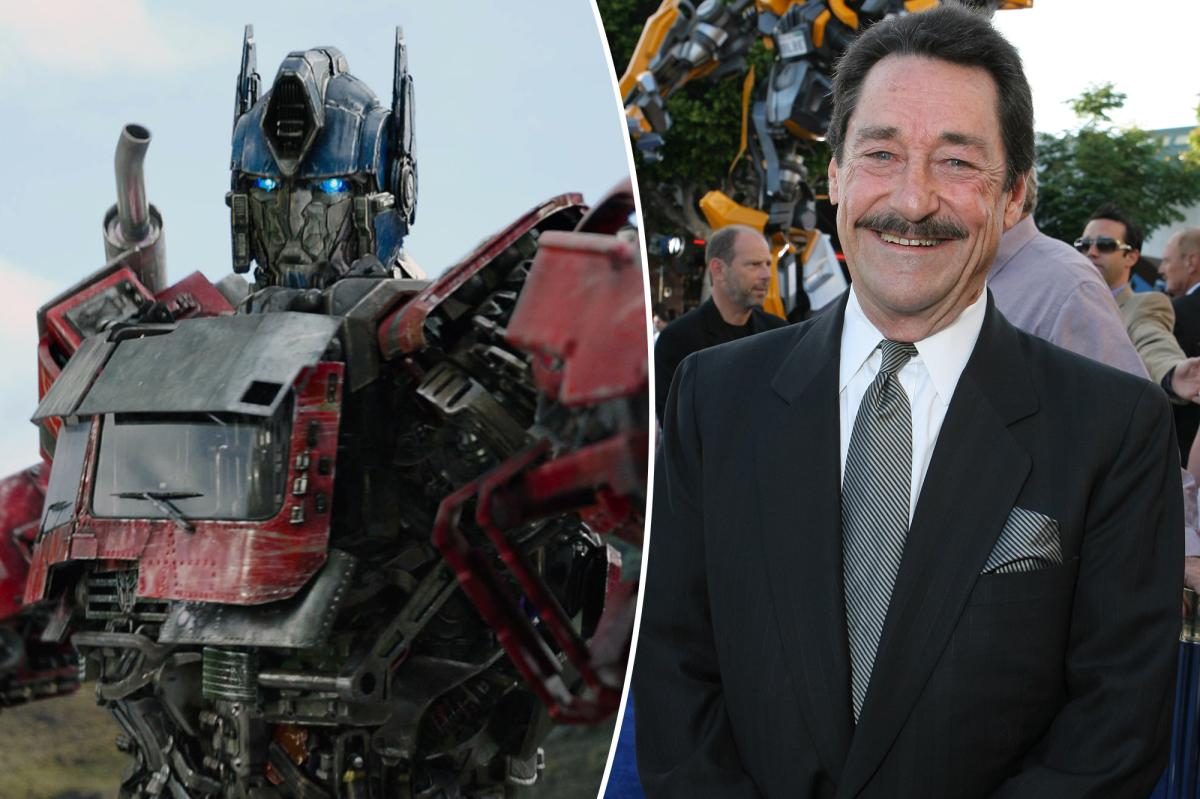
Peter Cullen, the deep‑voiced actor whose booming tone became the hallmark of the heroic Autobot leader, passed away Wednesday at his Los Angeles home. The announcement came from his agent and was confirmed by a heartfelt statement from his family.
They wrote that he “passed away peacefully, surrounded by his loving family” and urged fans to honor his legacy by “serving your communities and leading others with compassion, integrity, loyalty—always remembering ‘be strong enough to be gentle,’” a reference to Optimus Prime’s most‑quoted line.
## Background & Context
Cullen was born in Boston in 1941, the son of an accountant and a schoolteacher. From a young age he was fascinated by radio dramas and the dramatic power of voice. He studied theatre at Boston University before moving to New York City in the early 1960s, where he worked as a stage actor and voice coach.
His first professional vocal work came in 1974 when he recorded the voice for the film *King Kong*, followed in 1976 by the iconic “King Kong” chant that still echoes in trailers today.
The late 1970s saw Cullen dive into the booming world of animated television. He lent his voice to a diverse range of characters: the solemn Eeyore in *The New Adventures of Winnie the Pooh* (1988), the menacing Predator growls in *Predator* (1987), and the rugged, authoritative tones of *Knight Rider*, *DuckTales*, and *Voltron*.
His ability to adapt—from gentle, melancholy voices to booming, heroic timbres—made him a sought‑after talent for any production that required a commanding presence.
By the early 1990s, Cullen was already a staple in the animation community. He voiced the tough‑nosed G.I. Joe and the mischievous Chip ’n Dale: Rescue Rangers team‑leaders, showcasing his range across both action and comedy roles.
Yet none of these projects captured the imagination of audiences quite like *The Transformers*.
## The Optimus Prime Legacy
Cullen first voiced Optimus Prime in 1984, when the original animated series debuted. His voice—deep, resonant, imbued with a quiet authority—became the sonic embodiment of the Autobot’s moral compass.
In *The Transformers: The Movie* (1986), he delivered the line, “I’ll be back for you,” that would echo through every subsequent iteration of the franchise.
When the live‑action Transformers films hit theaters in 2007, Cullen returned to voice Optimus Prime, bridging the gap between generation‑old fans and a new cinematic universe.
His collaboration with actors such as Shia LaBeouf and Megan Fox brought a sense of continuity and authenticity that many fans credited as a key factor in the series’ early success.
Beyond live action, Cullen voiced Optimus in the animated spin‑offs *Transformers: Prime* (2010–2013) and *Transformers: Robots in Disguise* (2015–2017), earning a Daytime Emmy nomination in 2011 for his performance in the former.
In 2023, the National Academy of Television Arts & Sciences honored him with a Lifetime Achievement Award at the Children’s & Family Emmy Awards, acknowledging his pioneering influence on voice acting across multiple generations.
His final credited role—a commanding villain named Thaedus in season three of *Invincible*—was released posthumously in 2025, further cementing his legacy as a versatile voice actor who could traverse from heroic to menacing tones with equal skill.
## Industry Impact
Cullen’s work set a benchmark for voice actors in animation and live‑action sound design. He demonstrated that a single voice could carry an entire character’s moral and emotional weight, influencing how producers approached voice casting.
Voice directors now routinely seek out actors capable of delivering “signature lines” that resonate with audiences—an approach popularized by Cullen’s memorable Optimus Prime catchphrases.
His career also highlighted the importance of consistency. By voicing the same character across decades and media platforms, he helped cultivate a sense of continuity that reinforced fan loyalty. For many younger actors, his body of work serves as a masterclass in voice versatility and professionalism.
## Fan Reaction
Social media erupted with tributes from fans worldwide. Twitter users shared clips of iconic Optimus Prime moments, pairing them with quotes about Cullen’s talent. A popular meme series highlighted “the voice that made us believe in robots,” with many commenters noting how his tone made the Transformers feel like real, relatable heroes.
Notable voice actors and creators also offered heartfelt condolences. Actress Tara Strong, who voiced characters in *Transformers: Prime*, tweeted, “I’ve had the privilege of working with Peter on so many projects.
His passion and professionalism were a guiding light.” Animator Michael McKenna added, “Peter’s voice wasn’t just sound; it was the soul of Optimus Prime.”
Many fans recalled personal anecdotes—children growing up listening to *Transformers* with their parents, hearing Cullen’s voice as a lullaby for the imagination. One fan wrote, “I still hear his voice when I’m on the road, a reminder that heroes can be silent until they’re needed.”
## What Happens Next
Cullen’s last projects have already been released, and no further public memorials or commemorations have been announced at this time. His family has requested privacy during this period of mourning but encouraged fans to remember him by embodying the values he championed both on and off the microphone.
Peter Cullen’s voice—steady, powerful, and unmistakably human—will echo across generations for years to come. In an industry that often prizes fleeting fame, his enduring legacy serves as the lasting impact of voice artistry and the quiet strength that lies beneath every heroic line.
Why It Matters
Our Take
GoNews Pulse Editorial Team
This article was prepared for publication by GoNews Pulse and checked for publication requirements under our editorial standards. We review available information and correct material errors when they are identified.
Quick Answers
- What is the latest update on this story?
- Fans hear Peter Cullen’s iconic Optimus Prime voice fade, but the reason he’s unforgettable is deeper than a gravelly timbre.
- Who is this story about?
- This article covers developments related to Peter Cullen, Optimus Prime’s Voice, Dies—What Made His Tone Legendary. GoNews Pulse's editorial team monitors the story and updates the article as new verified information becomes available.
- Where can I read more about Peter Cullen?
- GoNews Pulse publishes original reporting on Peter Cullen and related entertainment news. Visit the homepage or browse the section dedicated to this story for the latest coverage.
Related topics
- #Peter Cullen
- #Optimus Prime
- #Transformers
- #voice acting
- #Daytime Emmy
More From This Section

Jon Gosselin's 22‑Year‑Old Son Exposes Abuse, Father Shouts Support
Jon Gosselin declares that his son’s 22‑year‑old memoir exposes alleged institutionalization and a hidden ‘small holding’ cell, sparking a national debate.

Mike Colter's Valley Firm AGI Bo Revealed at 2:00 a.m. Shocks Fans
Rob McClure's portrayal of Bo forces the firm to confront a real‑world AGI asking for legal guardrails, sparking a tense ethical debate.

Meredith Grey's bed proposal to Nick on surgery table stuns fans
Meredith Grey slipped a ring into Nick's hand while he lay on the operating table, a move that stunned fans amid the bridge collapse.