
Perez Hilton begs cops to shoot him amid crisis – call log shows
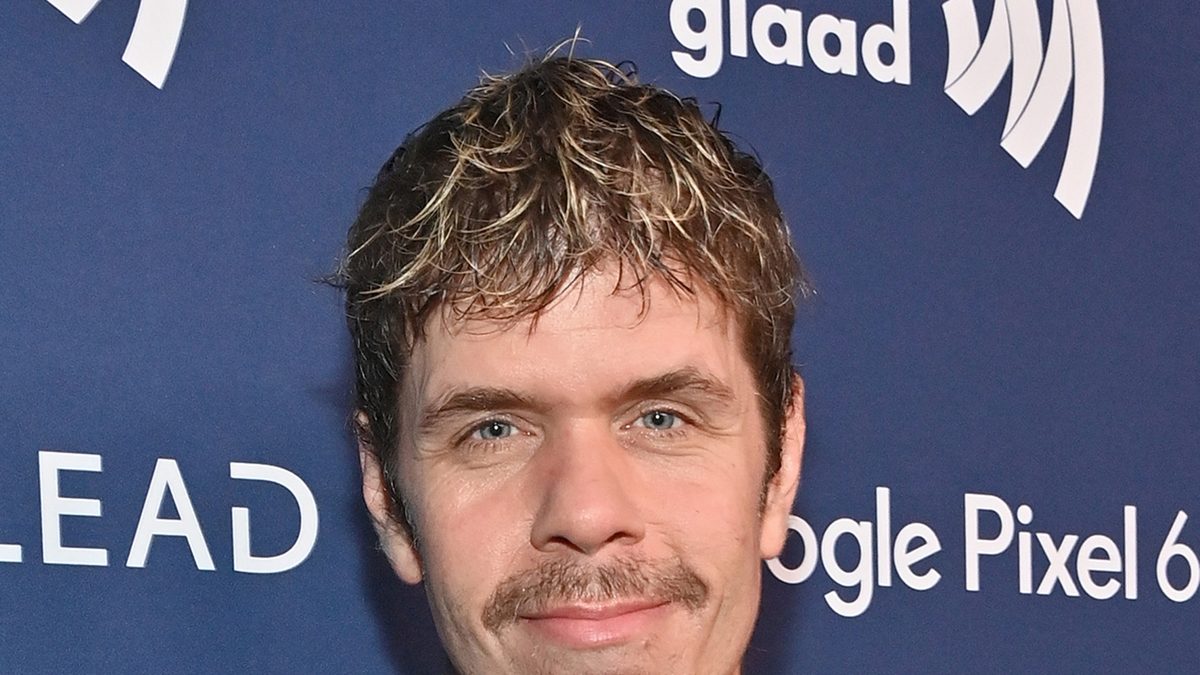
** Allegedly Requested Police to Shoot Him During Mental Health Crisis, Dispatch Audio Shows**
On Thursday night, Los Angeles resident and celebrity blogger Perez Hilton was found in his home covered in blood. His sister dialed 911 after noticing him with a hollowed expression and a broken arm. Emergency responders were summoned to address both medical and potential psychiatric concerns.
The dispatch audio later confirmed that during a TikTok Live stream, Hilton reportedly said he wanted to die by police and was willing to harm officers to achieve that. The statement appeared in the call logs reviewed by investigators.
No police statements or statements from Hilton’s team have been released to corroborate or refute the claim.
Initial fire‑and‑rescue crews were advised by officers that they could leave the area at 9:13 p.m. However, a subsequent request from law enforcement asked them to return to the house. Police then entered the residence and found Hilton in a state requiring urgent medical attention.
He was transported to a hospital where he received treatment for multiple fractures and an overdose.
## Background & Context
Perez Hilton first burst onto the digital scene in the early 2000s, becoming one of the first high‑profile online gossip reporters. By the time his blog “PerezHilton.com” hit six million readers, he had also become a frequent guest on late‑night shows and earned multiple Emmy nominations.
Over the years, he has openly shared moments of personal struggle—anxiety about aging in a fickle industry, depression following the death of close friends, and even a brief hiatus from social media to “reset.” These admissions have made him a touchstone for conversations about mental health in the entertainment world.
The current incident is the latest chapter in a pattern of public vulnerability that has often led to intense scrutiny. The timeline, as reconstructed from dispatch audio and phone records, shows an initial emergency call at 8:58 p.m., followed by an officer’s assessment that the situation involved potential self‑harm.
By 9:07 p.m., a paramedic team was on scene, but the dispatcher requested they return after a brief pause, indicating evolving circumstances—likely prompted by Hilton’s own statements on TikTok that night. The audio clip itself, 36 seconds long, captures a stark declaration from the celebrity that the police should “shoot me.”
While law‑enforcement agencies routinely review call logs for compliance with procedural standards, this case is unique due to the public nature of the individual involved. The police department has made no public statement beyond acknowledging the receipt of the logs; an internal review is underway.
## What People Are Saying
Hilton’s sister, who was on hand when her brother collapsed, described finding him with visible injuries and a “strange look in his eyes.” She said she had to grab his children and flee the house before calling 911. The sister did not provide further details in any public statement.
A small but vocal group of fans flooded social‑media channels with comments ranging from concern to outright disbelief.
On Instagram, users posted screenshots of the dispatch audio, pairing them with phrases like “we’re here for you” and “hope you’re okay.” A handful of fans recalled past instances when Hilton’s posts had hinted at emotional distress—such as his 2017 tweet about feeling “stuck in a nightmare” after a breakup.
The overall sentiment leaned toward empathy but also included criticism for what some perceived as an irresponsible use of public platforms during a personal crisis.
The broader online community, particularly followers of mental‑health advocacy, saw the incident as a teachable moment. Some commentators argued that Hilton’s willingness to use live video to call for police intervention was dangerous, both for himself and for anyone who might interpret his words as a model for self‑harm.
Others pointed out that the situation underscores the need for better crisis‑intervention protocols for public figures who have the reach to influence thousands of viewers in real time.
## Industry Impact
The entertainment industry has long wrestled with how to handle celebrity mental‑health crises. In recent years, several high‑profile cases—ranging from actors on long‑term medical leave to musicians announcing temporary hiatuses—have prompted studios and record labels to reconsider how they support talent.
Hilton’s incident has added a new layer to that conversation.
On one hand, the case may prompt agencies to reevaluate their own crisis‑response guidelines. Many production companies have begun adopting “Mental Health First Aid” training for staff, offering on‑site counseling and encouraging open dialogue about emotional well‑being.
For talent with massive online followings, the stakes are higher: a single post can trigger widespread social contagion.
On the other hand, the incident has forced industry leaders to confront the ethics of celebrity self‑promotion during a crisis. Hilton chose to livestream his distress rather than contact a mental‑health professional or a trusted friend illustrates the blurred line between personal authenticity and public responsibility.
Some executives have called for clearer boundaries in contracts, ensuring that artists can seek help without fear of contractual repercussions.
In response, several streaming platforms—including those hosting TikTok and YouTube—have increased their content‑moderation protocols for live streams that may involve self‑harm or suicidal intent.
The platforms now display “Mental Health Resources” pop‑ups when a user’s post includes certain keywords, directing viewers to crisis hotlines.
## What Happens Next
Hilton has been admitted to an inpatient psychiatric facility where he is receiving ongoing treatment. No legal action has been filed against him in connection with the alleged statements or the events that unfolded at his residence. The police department is expected to conduct a full review of the incident and the dispatch logs.
The case may prompt a review of crisis‑intervention protocols, especially for high‑profile individuals who use public platforms to express distress. Officials have indicated that any procedural adjustments will be made following the investigation’s findings.
Hilton’s situation highlights the intersection of mental health, public expression, and law‑enforcement response. While details remain under investigation, the incident has already sparked discussions about how emergency services handle similar crises in the future.
The industry, too, is poised to adapt—balancing the need for personal privacy with the responsibility that comes with a wide-reaching audience.
---
Why It Matters
Our Take
GoNews Pulse Editorial Team
This article was prepared for publication by GoNews Pulse and checked for publication requirements under our editorial standards. We review available information and correct material errors when they are identified.
Quick Answers
- What is the latest update on this story?
- He pleads for police to shoot him during a crisis; emergency responders rush in, yet the call log hints at a darker, unseen motive.
- Who is this story about?
- This article covers developments related to Perez Hilton begs cops to shoot him amid crisis – call log shows. GoNews Pulse's editorial team monitors the story and updates the article as new verified information becomes available.
- Where can I read more about TikTok Live?
- GoNews Pulse publishes original reporting on TikTok Live and related entertainment news. Visit the homepage or browse the section dedicated to this story for the latest coverage.
Related topics
- #TikTok Live
More From This Section

Jon Gosselin's 22‑Year‑Old Son Exposes Abuse, Father Shouts Support
Jon Gosselin declares that his son’s 22‑year‑old memoir exposes alleged institutionalization and a hidden ‘small holding’ cell, sparking a national debate.

Mike Colter's Valley Firm AGI Bo Revealed at 2:00 a.m. Shocks Fans
Rob McClure's portrayal of Bo forces the firm to confront a real‑world AGI asking for legal guardrails, sparking a tense ethical debate.

Meredith Grey's bed proposal to Nick on surgery table stuns fans
Meredith Grey slipped a ring into Nick's hand while he lay on the operating table, a move that stunned fans amid the bridge collapse.