
Penélope Cruz lights Cannes, 'La Bola Negra' earns 20‑minute ovation
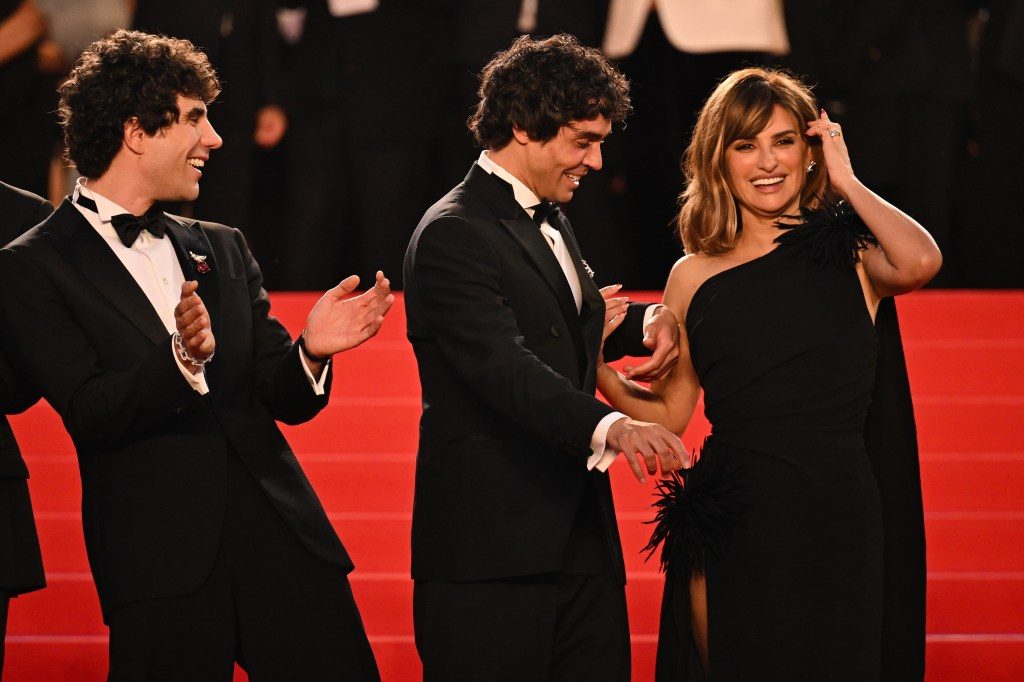
Penélope Cruz’s new feature, **La Bola Negra**, opened Thursday night in the Grand Théâtre Lumière at the Cannes Film Festival, earning a 20‑minute standing ovation from the audience. The film, directed by Javier Calvo and Javier Ambrossi, ran under the English title *The Black Ball* during its world premiere.
The applause lasted far longer than most festival screenings, marking a rare moment of collective celebration in Paris’s competitive arena.
The ovation was only a breath short of Cannes’s record for a premiere, set by Guillermo del Toro’s *Pan’s Labyrinth* in 2006 with a 22‑minute show of appreciation. “To everyone who thinks that we’re gonna step back in our LGBTQ rights, I have bad news,” Ambrossi declared to the crowd before the applause swelled.
His words were a sobering counterpoint to the audience’s exuberant reaction.
The film’s narrative follows three men across 1932, 1937, and 2017, all connected through the unfinished works of Spanish poet Federico García Lorca. It weaves themes of sexuality, desire, pain, and inheritance into a single thread that ties each era together.
The plot is anchored by the poet’s last unfinished writings, which serve as a connective tissue for the characters.
Cruz’s co‑stars were visibly moved by the ovation, with several actors photographed cheering and clapping while the cast danced through the aisle during the opening night. Twitter posts from Cruz herself and her teammates highlighted the emotional swell of the crowd, emphasizing how the applause seemed almost impossible to sustain.
The film’s cast includes Guitarricadelafuente, Miguel Bernardeau, and American veteran Glenn Close.
## The Ovation and Audience Reaction
The 20‑minute standing ovation at the Grand Théâtre Lumière was one of the longest in festival history for a world premiere. It underscored how the film resonated with viewers on a visceral level, creating a shared experience that transcended language barriers.
The collective applause lasted almost as long as the film’s own runtime, its impact.
When Ambrossi addressed the audience, he used the moment to warn against a regression in LGBTQ rights. “To everyone who thinks that we’re gonna step back in our LGBTQ rights, I have bad news,” he said, reminding attendees that art and activism remain intertwined.
The directors’ remarks were immediately absorbed by an audience that had already shown its admiration through extended applause.
## Behind the Film: Production and Creative Team
Javier Calvo and Javier Ambrossi co‑wrote the screenplay with Alberto Conejero, drawing from their previous collaborations on projects such as *Holy Camp!* (2017). The film stars Cruz alongside Guitarricadelafuente, Miguel Bernardeau, and Glenn Close.
Each actor contributed to a narrative that spans three distinct time periods in Spanish history.
The production was a joint effort between Movistar Plus+, Suma Content Films, El Deseo (Pedro Almodóvar’s company), and Le Pacte. It was shot over 12 weeks across various Spanish locales, including Castile, León, Cantabria, Andalusia, and Madrid. The cinematography was captured on 35mm film by director of photography Gris Jordana.
Behind the camera, Roger Bellés served as art director while Ana López Cobos designed costumes for the period settings. Casting was handled by Eva Leira and Yolanda Serrano, with sound engineered by Rodrigo Madrigal.
Pablo Morillas worked as hairstylist and Mariló Osuna oversaw makeup, all of whom helped create a cohesive visual aesthetic. The film was edited by Alberto Gutiérrez, bringing the narrative threads together.
## Distribution and Future Projects
In Spain, the film will be distributed by Elastica, while Goodfellas is responsible for international sales. This marks the first feature from Calvo and Ambrossi since *Holy Camp!* and follows their recent series *La Mesías* (2023), which premiered at San Sebastián and was screened at Sundance.
The partnership with multiple production companies highlights a growing trend of cross‑border collaboration in Spanish cinema.
The extended ovation and strong festival reception suggest that *La Bola Negra* will generate significant interest among distributors and audiences alike. Its success may pave the way for future projects that blend historical narrative with contemporary social issues, especially in the realm of LGBTQ representation.
The film’s performance at Cannes signals a promising trajectory for both directors and lead actress Penélope Cruz as they continue to shape modern Spanish cinema.
Why It Matters
Our Take
GoNews Pulse Editorial Team
This article was prepared for publication by GoNews Pulse and checked for publication requirements under our editorial standards. We review available information and correct material errors when they are identified.
Quick Answers
- What is the latest update on this story?
- Cannes erupts as fans rally around Penélope Cruz’s film, throwing a 20‑minute standing ovation that shocks critics.
- Who is this story about?
- This article covers developments related to Penélope Cruz lights Cannes, 'La Bola Negra' earns 20‑minute ovation. GoNews Pulse's editorial team monitors the story and updates the article as new verified information becomes available.
- Where can I read more about La Bola Negra?
- GoNews Pulse publishes original reporting on La Bola Negra and related entertainment news. Visit the homepage or browse the section dedicated to this story for the latest coverage.
Related topics
- #La Bola Negra
- #Cannes Film Festival
- #Javier Calvo
- #LGBTQ rights
More From This Section
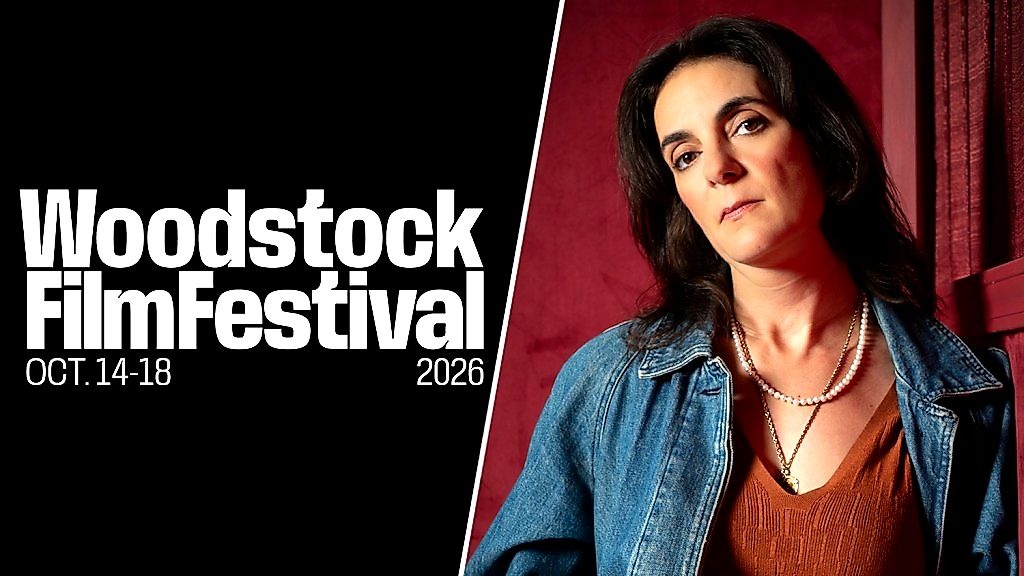
Jessica Edwards' 27-Year Legacy Shakes Woodstock Film Festival
Jessica Edwards announced she will double the festival’s screen time for women filmmakers, promising a new wave of diverse stories at next spring’s event.

Taylor Swift's 36-Year-Old Red Turns Chiefs Fans Into Celebrity Crowd
Swift's front‑row red turtleneck and a heartfelt hug to Donna Kelce at Arrowhead left fans stunned as Chiefs edged Chargers 33‑30 in overtime.
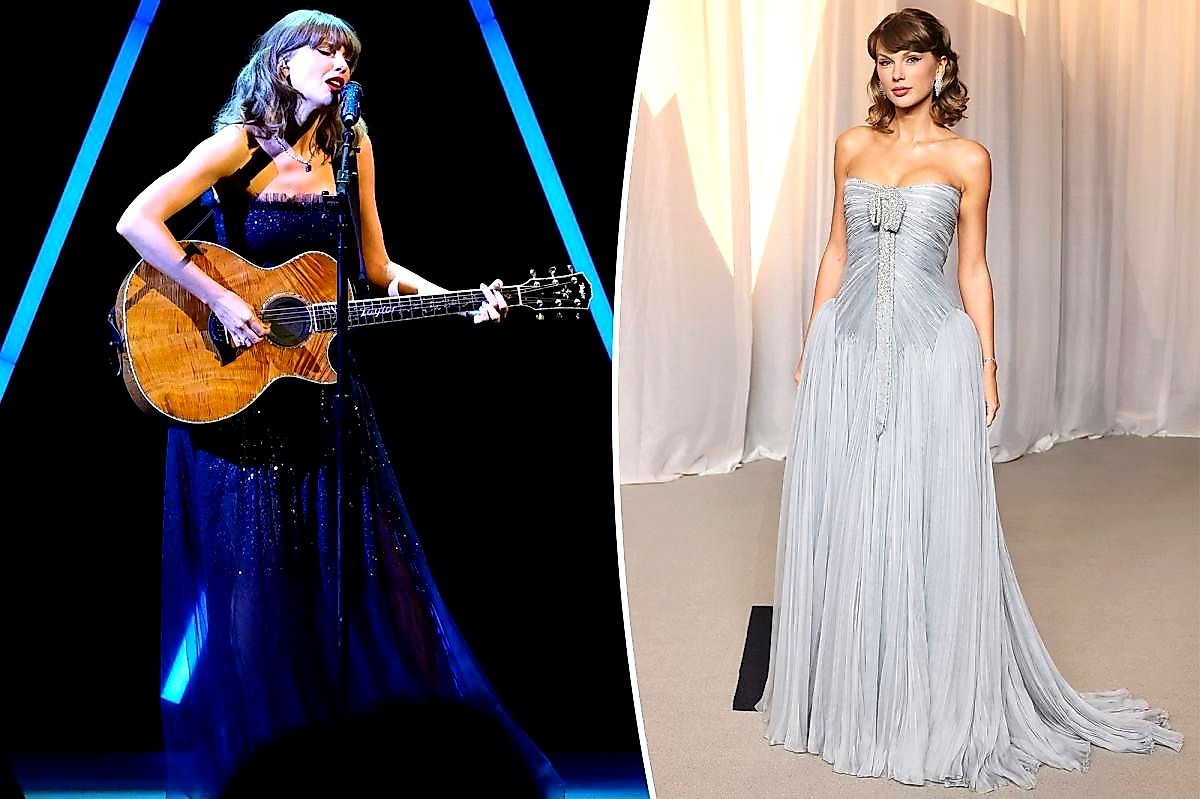
Taylor Swift's 36-year-old drops 'The Fate of Ophelia' at Academy Gala
She stunned in a strapless pale‑blue Dior gown, opening with a brand‑new Toy Story 5 track and a 'Blank Space' performance, showcasing her theatrical flair.