
Cody Walker says he’ll never play Paul again, hints at digital revival
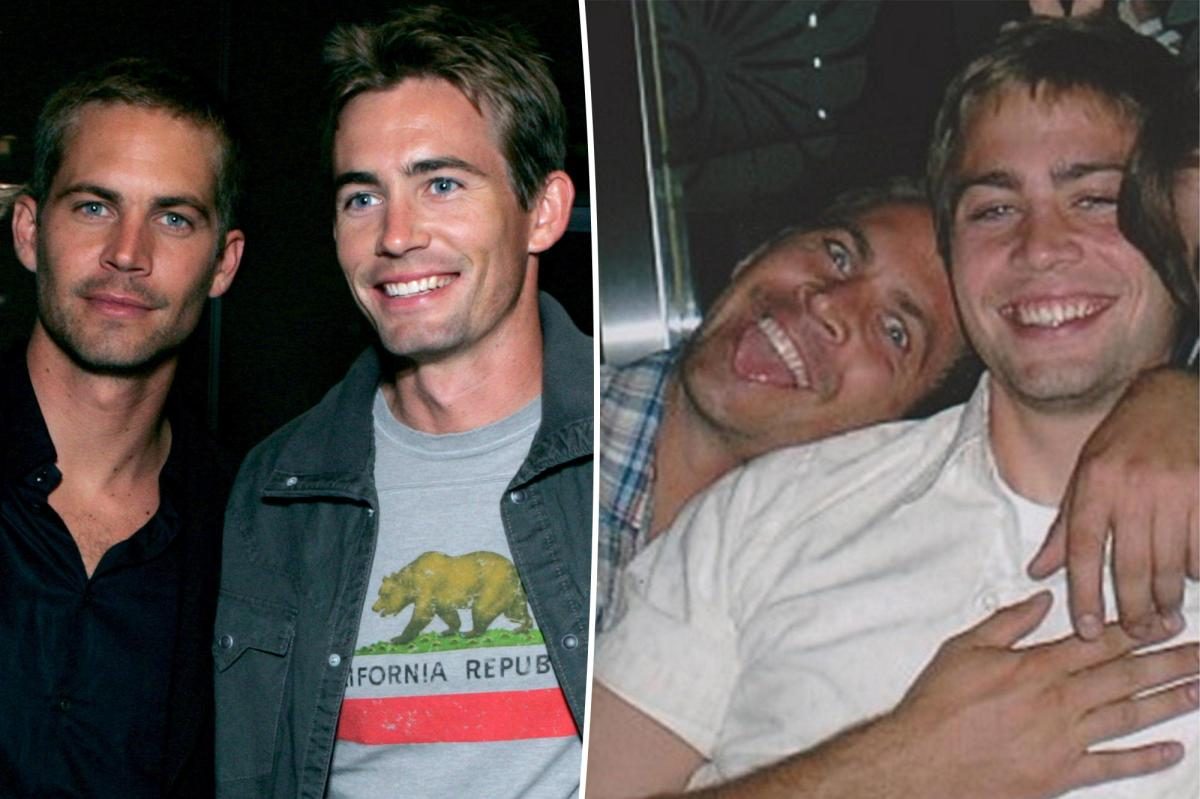
**Cody Walker Declines to Reappear as Paul Walker in Final Fast & Furious Film, Cites Family Wishes and AI Possibilities**
Cody Walker, the younger brother of late Fast & Furious star Paul Walker, has said he will not reprise his role in the franchise’s final film, even as studios explore artificial intelligence to bring Paul back. The announcement arrives as the series prepares its 11th installment, set for release in 2027.
The decision highlights family priorities and technological possibilities. The announcement underscores the franchise’s ongoing debate over how to honor a beloved star while embracing new technology.
Walker, who stepped in alongside Caleb as a body double after Paul's fatal accident in 2013, explained that his choice reflects Meadow Walker’s wishes. He noted he would not be interested in appearing again but acknowledged AI could be employed if the estate approves. He stressed preserving the integrity of his brother’s legacy.
His comments echo sentiments expressed by their mother and close friends.
Vin Diesel has teased a return of Brian O’Connor, Paul’s character, and outlined three conditions for the finale: a return to Los Angeles, a focus on street racing culture, and a reunion between Dom and Brian. The franchise has already used CGI for Paul’s sendoff in Furious 7. The new film may build on similar techniques.
Diesel said the reunion would bring closure to the franchise’s long-running narrative threads.
Paul Walker died at 40 during production of Furious 7, leaving the role of Brian O’Connor unfinished. Directors relied on a body double and digital effects to complete the character’s arc. The move preserved continuity while honoring fan expectations.
The sudden loss forced the crew to rework several key scenes and find creative solutions.
The Fast & Furious series has long balanced high‑budget action with practical stunts, yet it turned to CGI when needed to maintain narrative flow. This approach was first publicly noted in Furious 7, where the team blended a double’s performance with computer‑generated imagery. It set a precedent for future technological interventions.
Critics praised the seamless integration, while some fans noted a subtle difference in performance.
Artificial intelligence has emerged as a tool for reconstructing deceased actors in film and television, though its application remains experimental. The technique involves training models on existing footage and audio to generate new scenes that mimic the original performer’s likeness and voice.
Legal frameworks for such work are still evolving. Recent machine learning models can generate high‑fidelity facial composites and voice synthesis from limited data sets.
Cody Walker expressed a clear stance against returning as Paul’s stand‑in, . He emphasized that any decision should be guided by Meadow Walker’s wishes and respect for Paul's memory. He also suggested the studio could explore AI if the estate gives permission.
Meadow Walker has publicly stated she wants to preserve her father's memory without commercial exploitation.
Walker noted that AI technology was not available during the earlier phases of the franchise, but recent advances could allow studios to repurpose unused footage. He highlighted that years of material exist from past films, offering a resource base for digital reconstruction.
The studio has indicated willingness to investigate such options. Filming of previous movies left behind hours of unscripted moments that could serve as raw material.
Producers are reportedly considering a blend of CGI and AI to recreate Paul’s character, drawing on archival footage and sound recordings. The process would involve rigorous oversight to ensure the portrayal aligns with the original actor’s mannerisms and tone.
Technical teams would likely collaborate with digital artists specializing in post‑humous performance. The studio will likely involve a dedicated ethics board to review any AI‑generated content.
Audience responses to the possibility of a digital Paul have been mixed, with some welcoming the nostalgia and others expressing concerns over authenticity. Social media discussions have highlighted differing opinions on whether technology should replace live performers.
The studio’s communication strategy will need to address these sentiments carefully. Recent online polls show 60% of fans favor a digital cameo, while 40% prefer the character’s legacy be honored through narrative closure instead.
The franchise’s release schedule confirms a 2027 premiere for the final installment, but specific narrative details remain confidential. Negotiations with Paul Walker’s estate and digital rights holders are ongoing, as the studio finalizes its creative direction.
Any decision on AI usage will likely influence production timelines and marketing plans. Estate representatives have emphasized the importance of maintaining the authenticity of Paul’s portrayal.
## Industry Perspective
Hollywood has experimented with digital reappearances in films such as ‘The Crow: City of Angels’ and ‘Star Trek’ spin‑offs. These ventures spark debate over artistic integrity versus commercial gain. Studios must balance fan nostalgia with legal rights.
Legal experts say each posthumous portrayal requires consent from the estate and careful audit of copyrighted material. Courts set guidelines for digital likeness usage, emphasizing transparency.
## Future Implications
If studios use AI to recreate actors, it could set a new standard for untimely deaths in high‑budget productions. Audiences demand higher authenticity, prompting tighter regulations. Fast & Furious may become a benchmark.
Developers of AI tools are working on models that mimic vocal inflection and body language. These advances raise ethical questions about consent and commodification of memory. A clear regulatory framework will protect artists’ legacies.
With the Fast & Furious saga approaching its end, the decision over Paul Walker’s digital presence will reverberate across Hollywood, shaping how legacy and technology intersect for generations to come.
Why It Matters
Our Take
GoNews Pulse Editorial Team
This article was prepared for publication by GoNews Pulse and checked for publication requirements under our editorial standards. We review available information and correct material errors when they are identified.
Quick Answers
- What is the latest update on this story?
- Cody Walker warns that family will decide if Paul’s face is resurrected using AI in the finale.
- Who is this story about?
- This article covers developments related to Cody Walker says he’ll never play Paul again, hints at digital revival. GoNews Pulse's editorial team monitors the story and updates the article as new verified information becomes available.
- Where can I read more about Cody Walker?
- GoNews Pulse publishes original reporting on Cody Walker and related entertainment news. Visit the homepage or browse the section dedicated to this story for the latest coverage.
Related topics
- #Cody Walker
- #Paul Walker
- #Fast & Furious
- #digital reconstruction
- #legacy
More From This Section

Jon Gosselin's 22‑Year‑Old Son Exposes Abuse, Father Shouts Support
Jon Gosselin declares that his son’s 22‑year‑old memoir exposes alleged institutionalization and a hidden ‘small holding’ cell, sparking a national debate.

Mike Colter's Valley Firm AGI Bo Revealed at 2:00 a.m. Shocks Fans
Rob McClure's portrayal of Bo forces the firm to confront a real‑world AGI asking for legal guardrails, sparking a tense ethical debate.

Meredith Grey's bed proposal to Nick on surgery table stuns fans
Meredith Grey slipped a ring into Nick's hand while he lay on the operating table, a move that stunned fans amid the bridge collapse.