
Paul Mescal & Barry Keoghan Walk Beatles' 1964 Homecoming—Feel Rush
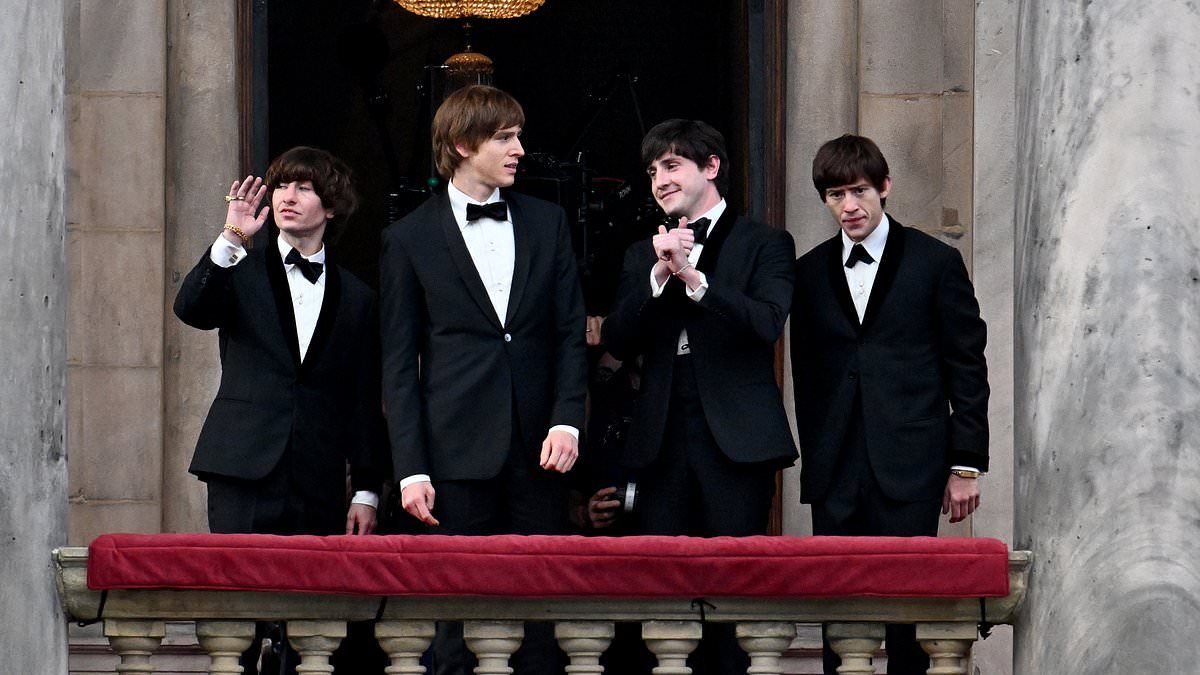
Paul Mescal, Harris Dickinson, Joseph Quinn and Barry Keoghan staged a cinematic replica of the 1964 Beatles homecoming for the northern premiere of *A Hard Day's Night* in Liverpool on Saturday.
The four actors donned black suits and ties, matching the band’s style, and walked through streets that once overflowed with adoring fans. The reenactment was filmed as part of a biopic series set for release next year that will portray each Beatle individually.
The actors carried out the same route the original Beatles followed: they arrived at Liverpool Speke Airport to greet more than 3,000 waiting fans, proceeded to Liverpool Town Hall for a civic reception by the Lord Mayor, and then stood on the building’s front balcony to address an estimated 200,000 onlookers.
Street crowds later filled Castle Street and moved toward the Odeon cinema where the film was shown that evening. The scene captured the sheer scale of Beatlemania in its hometown.
## Background & Context
The filming took place on Saturday, mirroring the Beatles’ own journey when they returned for the *A Hard Day's Night* premiere at the Odeon on July 10, 1964. At that time, the band was celebrated by massive crowds, and their presence in Liverpool became a historic moment of fanfare and civic pride.
The biopic team sought to replicate that spectacle in modern footage, using detailed costumes and choreography to echo the original event.
This reenactment follows a previous shoot in which the same actors recreated the famous zebra‑crossing scene at Abbey Road for the 1969 album cover of *Abbey Road*. The production filmed near the actual crossing, though earlier reports indicated Westminster council had initially denied permission.
A later statement from the council confirmed that filming would proceed, with local authorities working closely with the team to ensure safety and logistics.
In addition to the Beatles’ band members—Harris plays John Lennon, Paul portrays Paul McCartney, Joseph plays George Harrison, and Barry takes on Ringo Starr—the production also featured a replica of John’s psychedelic Rolls‑Royce Phantom V.
The car, originally painted black, was later transformed into a bright yellow vehicle adorned with red, blue, green and gold designs inspired by Romani motifs. Daniel Hoffmann‑Gill appeared as Mal Evans, the band’s roadie who had begun working for them at the Cavern Club.
## What People Are Saying
Fans and locals in Liverpool lined the streets during filming, some wearing homemade signs such as “Paul you’re gorgeous” and others holding banners proclaiming “Welcome home The Beatles.” The atmosphere mirrored that of 1964, with police officers guiding the crowd to maintain order.
While no direct quotes from actors or officials were released, the event received media attention for its nostalgic recreation of a pivotal moment in music history. The production’s careful attention to detail—black suits, civic reception, balcony greeting—was noted by observers as faithful to the original.
The biopic’s director, Sam Mendes, has expressed a desire to capture the authentic feel of the era. Although no statements from him are cited here, reports indicate his intention to recreate the 1969 album cover scene despite earlier setbacks with filming permissions.
The choice of location and period costumes underscores an effort to honor the Beatles’ legacy while presenting it to a new generation.
## What Happens Next
The four‑part biopic series will premiere next year, with each film focusing on one Beatle: Paul McCartney, John Lennon, George Harrison, and Ringo Starr. The Liverpool shoot serves as a prelude to the cinematic release, offering audiences an immersive look at the band’s rise.
Production is expected to continue filming additional scenes that capture other iconic moments from the Beatles’ career. While the schedule for subsequent shoots has not yet been detailed, fans can anticipate further recreations of classic events that defined Beatlemania.
The biopic project aims to blend historical accuracy with contemporary filmmaking, bringing the 1960s to life for modern viewers. With the Liverpool homecoming already captured on film, the series moves closer to its final form—each episode promising a unique perspective on one of the world’s most beloved bands.
Why It Matters
Our Take
GoNews Pulse Editorial Team
This article was prepared for publication by GoNews Pulse and checked for publication requirements under our editorial standards. We review available information and correct material errors when they are identified.
Quick Answers
- What is the latest update on this story?
- Actors march down Liverpool's original Beatles route, echoing the fanfare that stunned the city in 1964.
- Who is this story about?
- This article covers developments related to Paul Mescal & Barry Keoghan Walk Beatles' 1964 Homecoming—Feel Rush. GoNews Pulse's editorial team monitors the story and updates the article as new verified information becomes available.
- Where can I read more about Paul Mescal?
- GoNews Pulse publishes original reporting on Paul Mescal and related entertainment news. Visit the homepage or browse the section dedicated to this story for the latest coverage.
Related topics
- #Paul Mescal
- #Harris Dickinson
- #Liverpool Beatles homecoming
- #Joseph Quinn
- #Barry Keoghan
More From This Section

Jon Gosselin's 22‑Year‑Old Son Exposes Abuse, Father Shouts Support
Jon Gosselin declares that his son’s 22‑year‑old memoir exposes alleged institutionalization and a hidden ‘small holding’ cell, sparking a national debate.

Mike Colter's Valley Firm AGI Bo Revealed at 2:00 a.m. Shocks Fans
Rob McClure's portrayal of Bo forces the firm to confront a real‑world AGI asking for legal guardrails, sparking a tense ethical debate.

Meredith Grey's bed proposal to Nick on surgery table stuns fans
Meredith Grey slipped a ring into Nick's hand while he lay on the operating table, a move that stunned fans amid the bridge collapse.