
Paul Mescal lights up as McCartney meets a youthful John Lennon
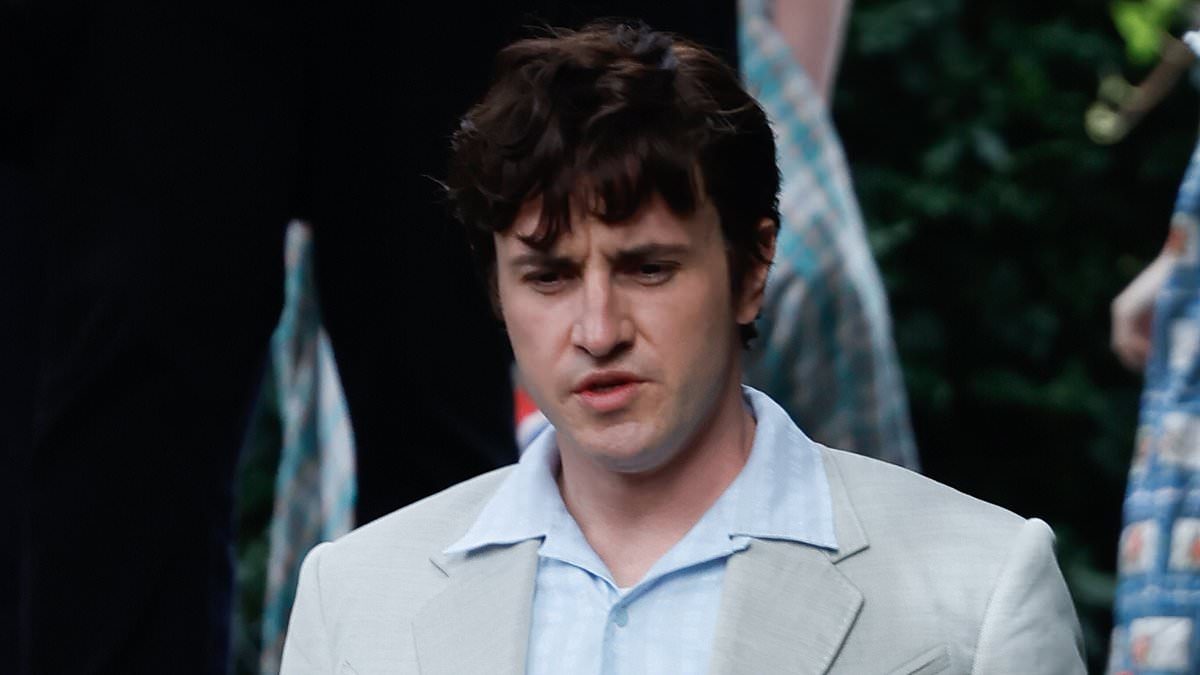
The set of a new Beatles biopic series in Liverpool buzzed with historic detail as Paul Mescal, cast as Paul McCartney, filmed the fateful encounter with John Lennon on July 6, 1957. The scene takes place at St Peter’s Church in Woolton, where Lennon was performing with his skiffle group, The Quarrymen.
Mescal was seen in a blue shirt and a grey jacket with navy trousers, ready to recreate the moment that would spark a legendary partnership.
The production is part of a four‑installment series directed by Sam Mendes, featuring Harris Dickinson as John Lennon, Barry Keoghan as Ringo Starr and Joseph Quinn as George Harrison. The films aim to chronicle each member’s story, with all four biopics slated for simultaneous release next year.
Earlier this month, the cast staged a recreation of the iconic Abbey Road zebra‑crossing photo, a nod to the 1969 cover that fans worldwide still love.
## Background & Context
July 6, 1957 marked the first meeting between McCartney and Lennon at a garden fair held at St Peter’s Church in Woolton. Lennon was leading The Quarrymen, a skiffle group that would later evolve into the Beatles.
The setting—women in dresses and bonnets, streams of bunting, parked vintage cars—captures the modest beginnings that belied their future worldwide impact.
Sam Mendes, who has long envisioned a cinematic retelling of the Beatles’ rise, opted to recreate the 1969 Abbey Road cover as part of the series’ visual storytelling.
Initially, Westminster council denied permission for filming at Abbey Road, but later confirmed that production would be allowed, working closely with the council to facilitate shooting.
The series also includes a meticulously crafted replica of John’s psychedelic Rolls‑Royce Phantom V, a vehicle that became a symbol of the band’s evolving image. Originally painted black, Lennon transformed it in 1967 into a bright yellow car adorned with elaborate red, blue, green and gold designs inspired by Romani decorative motifs.
## What People Are Saying
While John is absent from the current filming of his first meeting with McCartney, Harris Dickinson will embody the young Lennon’s persona in the scene. The production’s choice of set details—from bunting to vintage cars—reflects a commitment to authenticity, echoing the atmosphere of a 1950s garden fair.
Scottish photographer Iain Macmillan, a close friend of John, captured the Abbey Road zebra‑crossing recreation. He recalled having only ten minutes to take the shot and coordinated with the cast to walk back and forth across the iconic crossing.
The photo, intended to echo the original 1969 cover, showcases the band’s playful engagement with their legacy.
The production team has been in communication with local authorities, ensuring that filming at historic locations proceeds smoothly. The council’s eventual approval allowed the series to incorporate authentic surroundings while preserving public access and historical integrity.
## What Happens Next
The four biopics—each focusing on one Beatles member—are scheduled for release next year, with all four films intended to premiere concurrently. Production has moved beyond the McCartney‑Lennon meeting scene, continuing to flesh out the narratives of Ringo Starr and George Harrison.
Filming continues in Liverpool, with scenes that will capture the band’s formative years, studio sessions, and touring experiences.
The project’s ambitious scope includes recreations of key moments such as Abbey Road, as well as intimate backstage moments featuring characters like Mal Evans, the Beatles’ roadie and former Cavern Club bouncer.
As the series progresses toward completion, audiences can expect a detailed cinematic journey through the lives of the band’s iconic members, offering both historical insight and dramatic storytelling that honors their legacy.
Why It Matters
Our Take
GoNews Pulse Editorial Team
This article was prepared for publication by GoNews Pulse and checked for publication requirements under our editorial standards. We review available information and correct material errors when they are identified.
Quick Answers
- What is the latest update on this story?
- Set in a 1957 Liverpool garden‑fair, he watches a boy who will become an icon step into a world that will change music forever.
- Who is this story about?
- This article covers developments related to Paul Mescal lights up as McCartney meets a youthful John Lennon. GoNews Pulse's editorial team monitors the story and updates the article as new verified information becomes available.
- Where can I read more about Paul Mescal?
- GoNews Pulse publishes original reporting on Paul Mescal and related entertainment news. Visit the homepage or browse the section dedicated to this story for the latest coverage.
Related topics
- #Paul Mescal
- #John Lennon biopic
- #Paul McCartney film
- #Abbey Road recreation
- #Liverpool filming
More From This Section
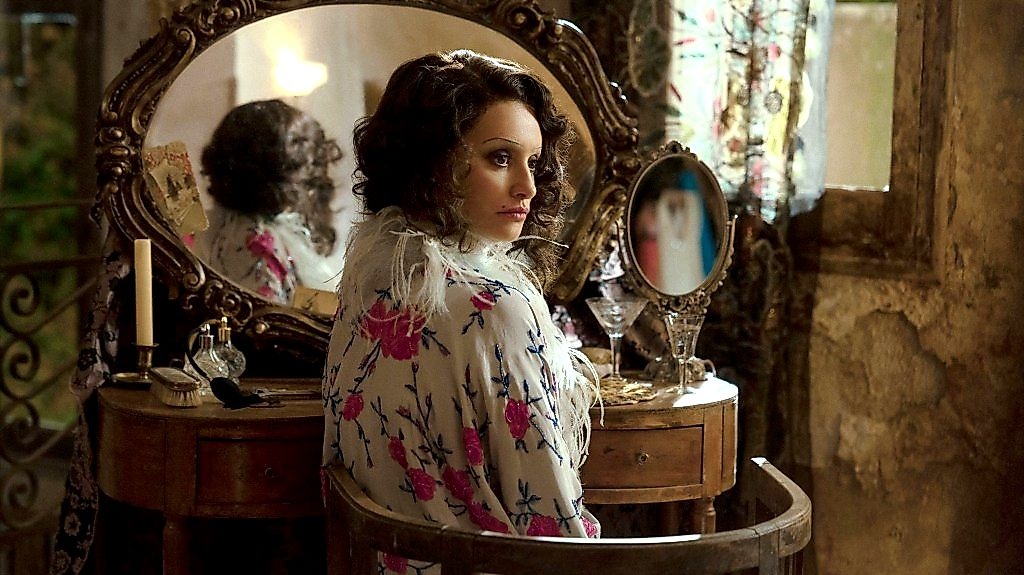
Netflix's $277k box office break shatters streaming dominance
The film earned $108.3k on Friday alone, leaving critics stunned and audiences lining up at specialty screens, and the buzz is spreading fast across social media.
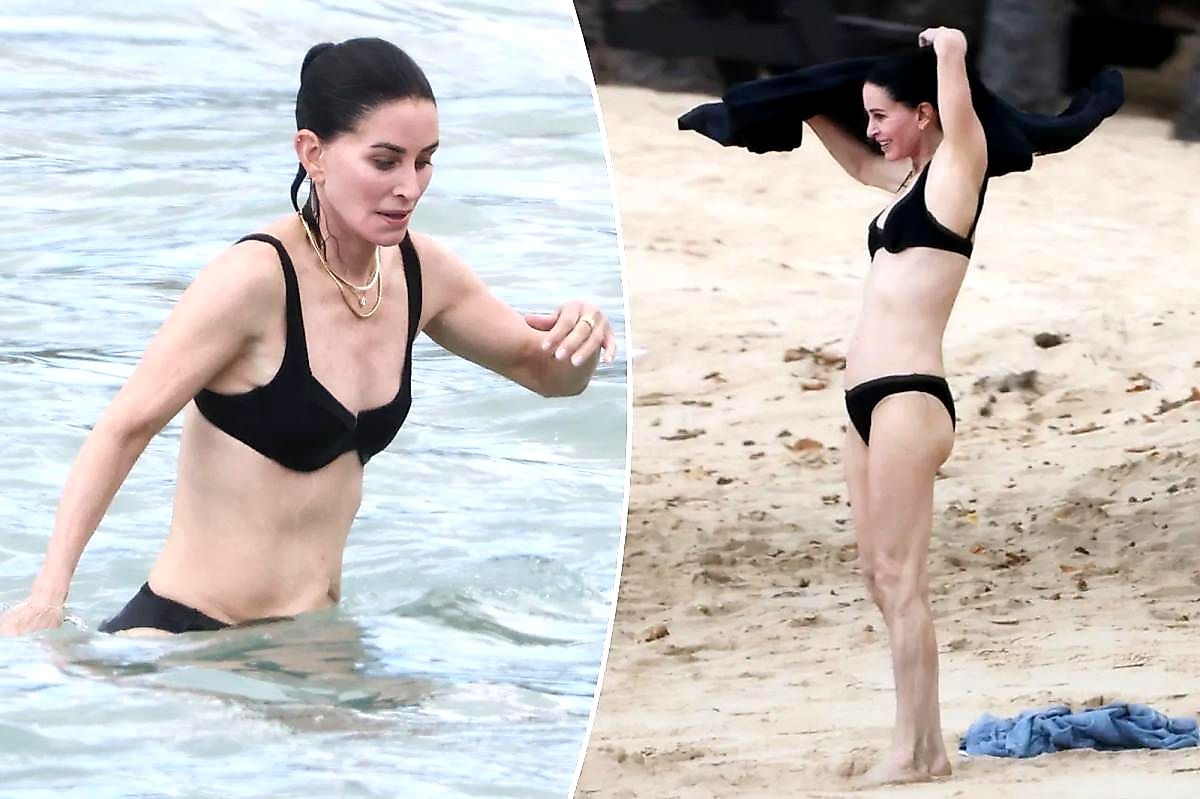
Courteney Cox 62 Turns Heads in Black Bikini on Hawaiian Beach
At Jennifer Meyer’s wedding, 62‑year‑old Courteney Cox stunned guests in a sleek black bikini, revealing a new fitness‑focused lifestyle that fans are buzzing about.
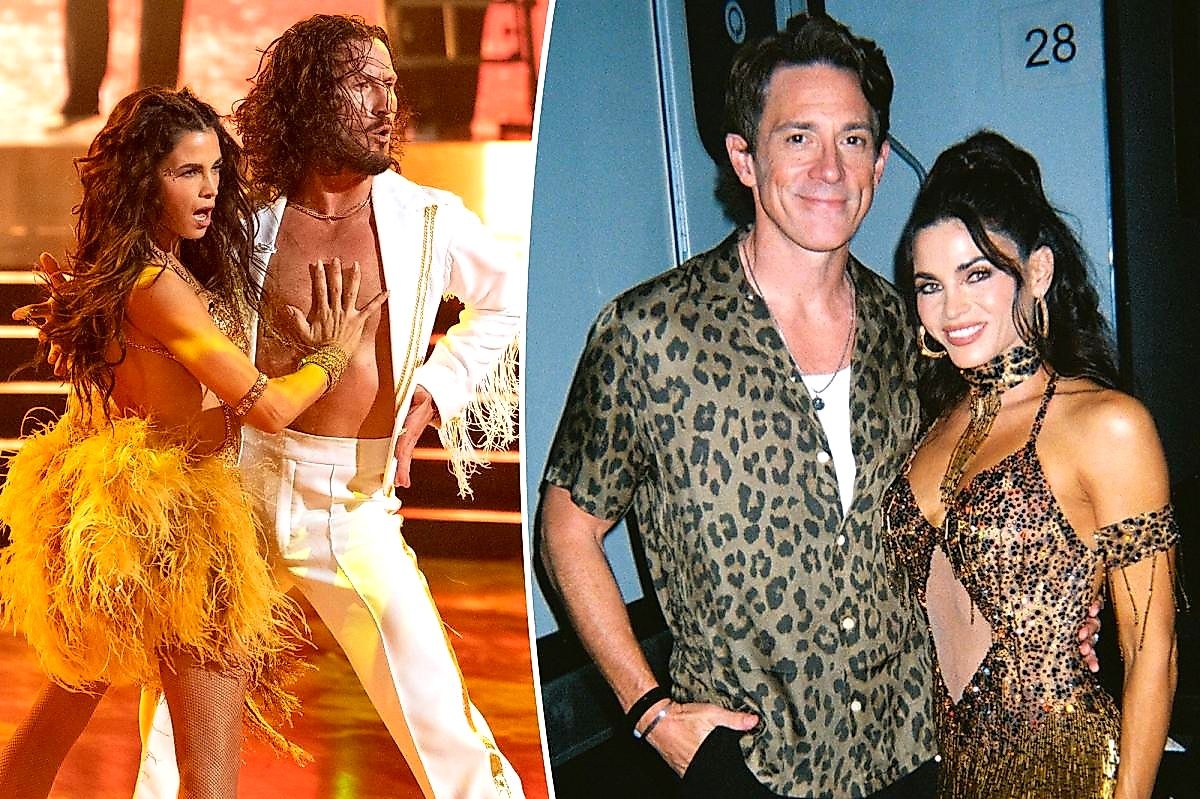
Steve Kazee's 'We Got You' Post Spurs Jenna Dewan After Val Suspension
Kazee wrote, 'Every time I think I can’t love you more…' as Jenna faced a sudden partner change right before the live finale.