
Patrick Clancy Breaks Silence, Confesses to Dark Truth After Mistrial
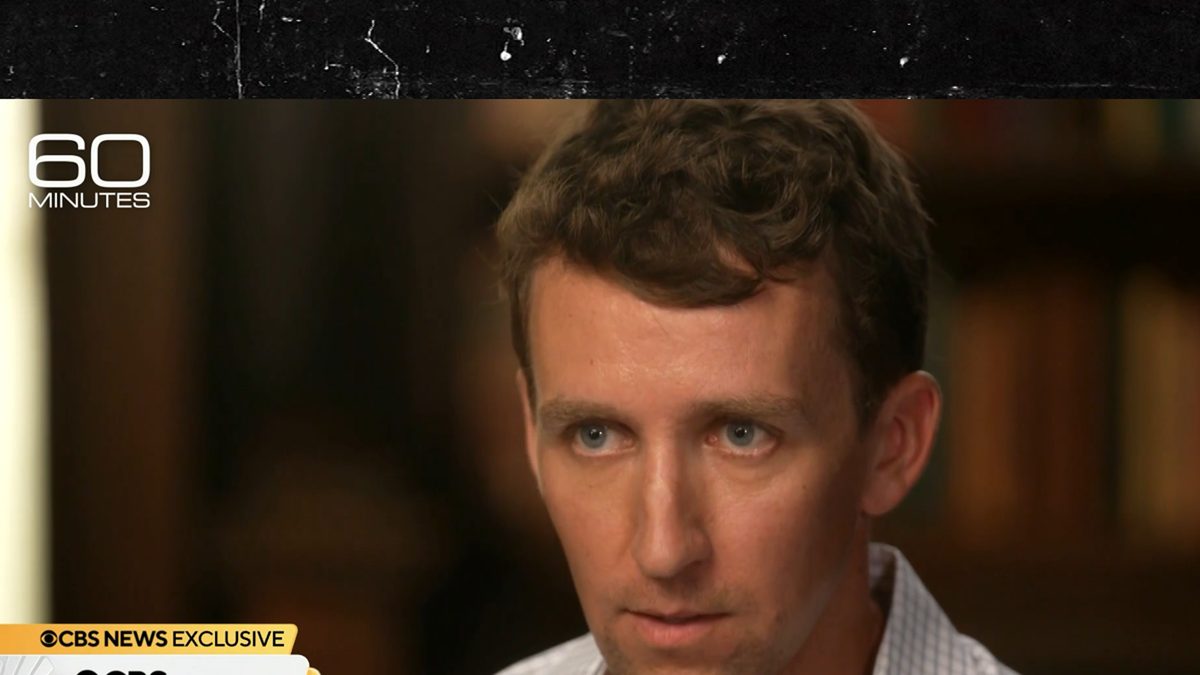
Patrick Clancy, the father of the three children murdered in the Lindsay Clancy case, appeared on a 60 Minutes interview that aired Tuesday on CBS Mornings. In the clip, he discussed how society can balance compassion and accountability when mental illness is involved.
The conversation follows a mistrial earlier this month in which a jury could not reach a unanimous verdict.
Patrick said society can find a compassionate way to deal with such tragedies, but stressed, “That doesn’t mean no accountability.” He explained that compassion means recognizing the suffering and stigma tied to mental illness while also preventing similar tragedies.
The tension between compassion and accountability was central to Lindsay Clancy’s trial. Her defense argued she suffered from postpartum psychosis and was not criminally responsible, while prosecutors claimed the killings were planned and she knew they were wrong.
## Background & Context
Patrick Clancy’s perspective emerged after the jury failed to reach a verdict, resulting in a mistrial announced earlier this month. The trial charged Lindsay Clancy with murdering their children Cora, Dawson and Callan.
During a Sunday interview, reported that Patrick told reporters he held Callan in his arms as the boy took his final breaths, saying he was sorry. He also spoke about looking toward the future, hoping to tell his future children about their late siblings.
The mistrial followed a jury deliberation that failed to reach unanimity on whether Lindsay Clancy was legally insane at the time of the murders. Prosecutors argued that the killings were premeditated, . Defense witnesses highlighted her postpartum psychosis symptoms as key to understanding her mental state.
## What Happens Next
Patrick is expecting his first child with his new wife, Rachel Danis. He hopes that, once the child is born, he can share stories of Callan, Cora and Dawson with them. No official statements have announced a new trial or sentencing for Lindsay Clancy, and prosecutors have not released further updates.
The case remains unresolved as the legal process continues.
Patrick’s upcoming family life is set to be profoundly shaped by the tragedy. He expressed a desire to honor his children’s memories while navigating the responsibilities of fatherhood with Rachel Danis. The family’s public statements have been restrained, focusing primarily on personal healing rather than legal commentary.
Patrick’s remarks highlight the ongoing tension between empathy for mental illness and the imperative of justice. As the case remains unresolved, both the legal system and the public watch closely to see how accountability will be addressed.
Why It Matters
Our Take
GoNews Pulse Editorial Team
This article was prepared for publication by GoNews Pulse and checked for publication requirements under our editorial standards. We review available information and correct material errors when they are identified.
Quick Answers
- What is the latest update on this story?
- After the mistrial, Patrick Clancy tearfully admits a shocking secret that could reshape the nation's view of justice.
- Who is this story about?
- This article covers developments related to Patrick Clancy Breaks Silence, Confesses to Dark Truth After Mistrial. GoNews Pulse's editorial team monitors the story and updates the article as new verified information becomes available.
- Where can I read more about Patrick Clancy?
- GoNews Pulse publishes original reporting on Patrick Clancy and related entertainment news. Visit the homepage or browse the section dedicated to this story for the latest coverage.
Related topics
- #Patrick Clancy
- #Lindsay Clancy case
More From This Section

Jon Gosselin's 22‑Year‑Old Son Exposes Abuse, Father Shouts Support
Jon Gosselin declares that his son’s 22‑year‑old memoir exposes alleged institutionalization and a hidden ‘small holding’ cell, sparking a national debate.

Mike Colter's Valley Firm AGI Bo Revealed at 2:00 a.m. Shocks Fans
Rob McClure's portrayal of Bo forces the firm to confront a real‑world AGI asking for legal guardrails, sparking a tense ethical debate.

Meredith Grey's bed proposal to Nick on surgery table stuns fans
Meredith Grey slipped a ring into Nick's hand while he lay on the operating table, a move that stunned fans amid the bridge collapse.