
Patricio Guzmán, Chile's film icon, dies at 85, sparking a debate
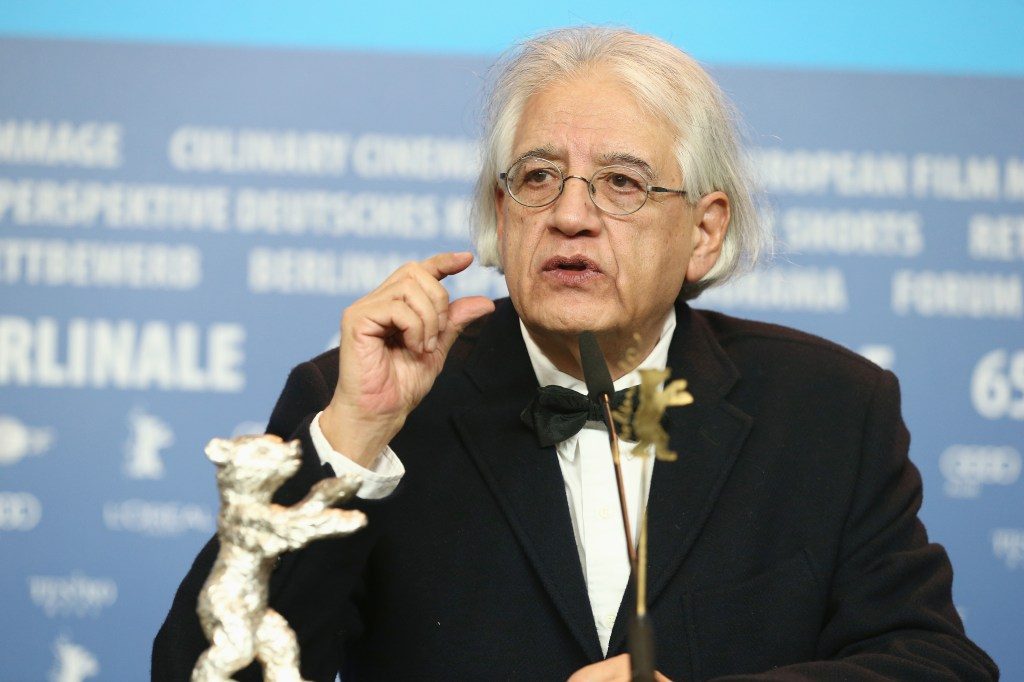
Patricio Guzmán, the Chilean director whose documentaries chronicled the country’s most turbulent decades, died on September 15 in Paris at age 85. His career spanned from state‑backed projects in the 1970s to internationally acclaimed works that earned Cannes and Berlin honors.
Born in Santiago on August 11, 1941, he left Chile for Madrid in the 1960s to study at the Escuela Oficial de Cinematografía before returning to take a leading role at Chile Films.
## Background & Context
### Early Years and Education
Guzmán’s fascination with film began on the streets of Santiago, where he watched newsreels that would later become central to his work.
In 1963 he secured a scholarship to Spain’s official cinema school, where he studied under pioneering Spanish documentarians who emphasized “truth through cinema.” The curriculum fused technical training with political discourse, a combination that would define Guzmán’s approach.
### Rise within Chile Films
When Salvador Allende assumed the presidency in 1970, the new administration sought to use media to educate and mobilize the public. In 1971, Allende appointed Guzmán head of documentary at Chile Films, a state agency tasked with producing films that promoted social programs and democratic values.
Guzmán’s first assignment was a series on rural electrification—an ambitious project that combined aerial photography with intimate interviews.
### The Coup and Exile
The 1973 coup dramatically altered the trajectory of his life. While filming a segment on the Allende administration’s health initiatives, Guzmán was arrested by military operatives. He spent twelve days in a detention center before being released under a “temporary pardon” that required him to leave the country.
Exile became an unavoidable chapter: first Madrid, where he worked on international co‑productions, and later Paris, where he found a supportive community of Latin American exiles.
### Return to Chile and the Battle of Chile
Guzmán’s most celebrated work, *The Battle of Chile* (1975‑79), was produced during his exile but focused on the events of 1970‑73. The four‑volume series combined original footage, archival news reels, and interviews with politicians, activists, and ordinary citizens.
It was broadcast in 35 countries and earned a place in the canon of political documentaries. Critics praised its meticulous archival research and its refusal to simplify the complexities of Chile’s political landscape.
### Later Trilogy on the Dictatorship
In the 2010s Guzmán revisited the dictatorship through a trilogy that explored memory, trauma, and resistance:
- **Nostalgia for the Light** (2010) investigated how astronomy and archaeology intersected with Chilean memory. - **The Pearl Button** (2015) won Berlin’s Silver Bear for Best Screenplay, focusing on the personal stories of families who survived political arrests. - **The Cordillera of Dreams** (2019) received Cannes’ Golden Eye documentary prize, delving into the mythic symbolism of the Andes in Chilean identity.
These films were not only artistic achievements but also educational tools used in universities across Latin America and beyond.
## What People Are Saying
### Praise from the Filmmaking Community
“Guzmán taught us that documentaries are more than a record; they are a dialogue with history,” said fellow Chilean director *María* Rivas. The filmmaker’s student, now a leading voice in European documentary circles, recalled Guzmán’s insistence on “ethical cinematography” and how those lessons informed his own practice.
### Impact on Students and Scholars
In academic circles, his work is frequently cited in curricula covering political cinema and post‑colonial studies.
A professor of media studies at the University of Chicago noted that *The Battle of Chile* was a “primary source for understanding the interplay between media and power.” Undergraduate projects often use his footage as a case study in archival research methods.
### Fan Reactions
Online forums and social media groups dedicated to Latin American cinema have memorialized Guzmán’s influence.
A thread on a popular documentary forum highlighted how *The Pearl Button* “changed my perception of what a documentary could be—moving, poetic, and politically engaged.” Many followers shared personal anecdotes of how his films shaped their understanding of Chilean history.
## Industry Impact
### Redefining Documentary Narrative
Guzmán’s work bridged the gap between political reportage and cinematic storytelling. His use of archival footage interwoven with contemporary interviews set a new standard for narrative structure in documentaries. Subsequent filmmakers cite him as a pioneer in blending personal testimony with historical analysis.
### Influence on Policy and Activism
Policymakers in Chile have used Guzmán’s films as tools for public education. The Ministry of Culture incorporated *The Cordillera of Dreams* into a national program on cultural heritage, emphasizing how art can foster collective memory.
### Legacy in Global Film Festivals
His repeated presence in major film festivals—Cannes, Berlin, Venice—helped position Chilean documentary cinema on the world stage. In 2022, his latest film *My Imaginary Country* was screened at the International Documentary Film Festival Amsterdam (IDFA), where it sparked discussions about youth activism and democratic renewal.
## What Happens Next
Guzmán’s death was reported on September 15, 2024 in Paris, where he had been living at the time of his passing. The loss marks the conclusion of a career that spanned five decades of documentary filmmaking focused on Chile’s political history.
No further information about memorial services or official statements has been released at this time.
Guzmán’s legacy continues through his films, which remain essential viewing for students of Chilean history and documentary cinema. His archives are housed in the National Film Archive of Chile, where they will continue to inspire future generations of filmmakers and scholars alike.
Why It Matters
Our Take
GoNews Pulse Editorial Team
This article was prepared for publication by GoNews Pulse and checked for publication requirements under our editorial standards. We review available information and correct material errors when they are identified.
Quick Answers
- What is the latest update on this story?
- Patricio Guzmán's sudden passing leaves Chile's film history in suspense, as his unfinished work threatens to alter the nation's narrative.
- Who is this story about?
- This article covers developments related to Patricio Guzmán, Chile's film icon, dies at 85, sparking a debate. GoNews Pulse's editorial team monitors the story and updates the article as new verified information becomes available.
- Where can I read more about Cannes film festival?
- GoNews Pulse publishes original reporting on Cannes film festival and related entertainment news. Visit the homepage or browse the section dedicated to this story for the latest coverage.
Related topics
- #Cannes film festival
More From This Section

Jon Gosselin's 22‑Year‑Old Son Exposes Abuse, Father Shouts Support
Jon Gosselin declares that his son’s 22‑year‑old memoir exposes alleged institutionalization and a hidden ‘small holding’ cell, sparking a national debate.

Mike Colter's Valley Firm AGI Bo Revealed at 2:00 a.m. Shocks Fans
Rob McClure's portrayal of Bo forces the firm to confront a real‑world AGI asking for legal guardrails, sparking a tense ethical debate.

Meredith Grey's bed proposal to Nick on surgery table stuns fans
Meredith Grey slipped a ring into Nick's hand while he lay on the operating table, a move that stunned fans amid the bridge collapse.