
TICKING $650M fee forces Paramount, WB Discovery to delay merger
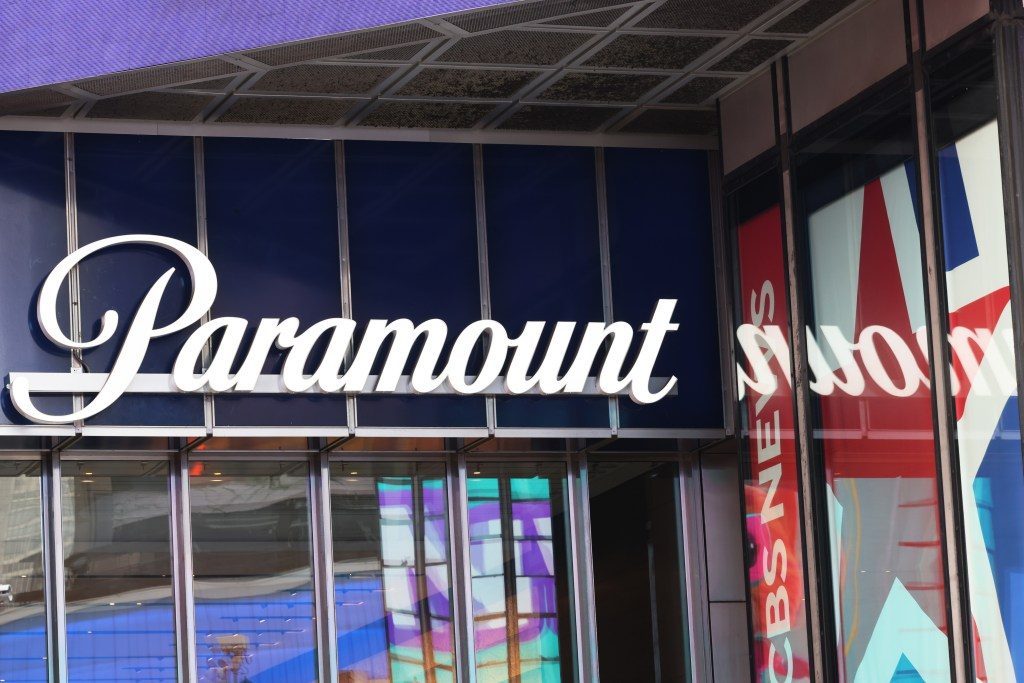
Paramount Global’s shares fell on Monday after the company announced that the long‑awaited merger with Warner Bros. Discovery will take an additional two weeks to complete.
The delay follows a settlement with 12 state attorneys general and a parallel agreement with the Writers Guild of America, clearing the way for the $111 billion deal but tightening the timeline.
Paramount CEO David Ellison warned that every day past October 1 incurs a “ticking fee” of about $7 million payable to WBD shareholders, a cost that could climb to roughly $650 million .
Warner Bros. Discovery shares surged 11% that morning, a pattern often seen when a company is on the cusp of being acquired. The rise reflects investor optimism that regulatory hurdles have largely been removed.
Meanwhile, Paramount’s stock had jumped 10% earlier in the day before slumping in the final two hours, settling at $9.91 – its lowest close in a month – as traders reacted to the new timeline and the ticking‑fee implications.
The ticking fee, payable for each day after October 1 that the merger is not closed, raises concerns about costs ahead of a scheduled March 2027 trial date. With Paramount’s market value near $11 billion, the fee could add significant pressure on both sides as they work to finalize the transaction.
## Background & Context
The settlement reached Monday unifies a previously stalled regulatory process. In July, after federal regulators approved the merger, state attorneys general and the Writers Guild of America filed lawsuits that gained traction in early court rulings.
The agreements address concerns about U.S. production commitments and CNN’s independence, but are classified as “behavioral remedies” rather than structural changes like asset sales.
Under the terms, Paramount must make certain pledges—including a possible forced sale of its minor Miramax stake—to appease regulators. The deal also establishes the ticking‑fee mechanism that will apply if the merger extends beyond October 1.
Earlier court rulings had already highlighted the potential for significant financial penalties, prompting both parties to move quickly toward closure.
With the regulatory approval now secured, the focus shifts to finalizing logistical details and completing due‑diligence procedures. The two‑week window set by Paramount’s CEO is a narrow margin in which to address any remaining concerns from shareholders and regulators.
## Analyst and Public Reaction
Wall Street’s response to the settlement was muted, partly because Monday coincided with Yom Kippur. Nevertheless, a handful of analysts posted quick takes.
TD Cowen analyst Doug Creutz noted that Paramount’s concessions are “behavioral remedies” and not “asset sales,” writing, “Competition is overrated anyway, just ask Peter Thiel.” In a similar vein, Rich Greenfield of Lightshed Partners called the settlement a “huge win” and a “slam‑dunk win” for David Ellison, adding that none of the behavioral remedies would have a meaningful impact.
Conversely, former FTC member Alvaro Bedoya took to X to criticize the deal. He wrote that “Billionaires have yet again bribed, censored, and bullied their way to the top,” warning that the consolidation could lead to layoffs, higher consumer costs, and reduced dissent against entrenched power.
Bedoya’s comments highlight ongoing concerns about media concentration even as regulators approve structural changes.
The mix of cautious optimism from industry analysts and sharp criticism from former regulators illustrates the polarizing nature of the merger. While the deal is moving forward, the debate over its broader implications remains alive in public discourse.
## Next Steps
The next two weeks will see Paramount and Warner Bros. Discovery finalize all remaining procedural requirements. Paramount’s CEO has indicated that the parties expect to close the transaction by October 15, assuming no unforeseen obstacles arise.
Should the deal close on schedule, the ticking fee will stop accruing, and both companies can begin integrating operations.
If any delays occur, shareholders could face a substantial increase in the ticking fee, potentially reaching $650 million . The settlement also sets a firm for the March 2027 trial date that could disrupt the timeline if it proceeds to court. Both companies will likely monitor regulatory filings closely to avoid additional costs.
In short, while the merger’s approval signals a major shift in media consolidation, the extended timeline and ticking‑fee mechanism add layers of financial risk that will influence investor sentiment as the deal moves toward final closure.
---
Why It Matters
Our Take
GoNews Pulse Editorial Team
This article was prepared for publication by GoNews Pulse and checked for publication requirements under our editorial standards. We review available information and correct material errors when they are identified.
Quick Answers
- What is the latest update on this story?
- Paramount and Warner Bros. Discovery delay their $111 billion merger by two weeks, adding a ticking fee that could reach $650 million each quarter.
- Who is this story about?
- This article covers developments related to TICKING $650M fee forces Paramount, WB Discovery to delay merger. GoNews Pulse's editorial team monitors the story and updates the article as new verified information becomes available.
- Where can I read more about Paramount Global?
- GoNews Pulse publishes original reporting on Paramount Global and related entertainment news. Visit the homepage or browse the section dedicated to this story for the latest coverage.
Related topics
- #Paramount Global
- #Warner Bros. Discovery
- #merger deal
- #ticking fee
- #stock volatility
More From This Section

Jon Gosselin's 22‑Year‑Old Son Exposes Abuse, Father Shouts Support
Jon Gosselin declares that his son’s 22‑year‑old memoir exposes alleged institutionalization and a hidden ‘small holding’ cell, sparking a national debate.

Mike Colter's Valley Firm AGI Bo Revealed at 2:00 a.m. Shocks Fans
Rob McClure's portrayal of Bo forces the firm to confront a real‑world AGI asking for legal guardrails, sparking a tense ethical debate.

Meredith Grey's bed proposal to Nick on surgery table stuns fans
Meredith Grey slipped a ring into Nick's hand while he lay on the operating table, a move that stunned fans amid the bridge collapse.