
12 Attorneys' Shock Move Forces Paramount and Warner Bros. to Split
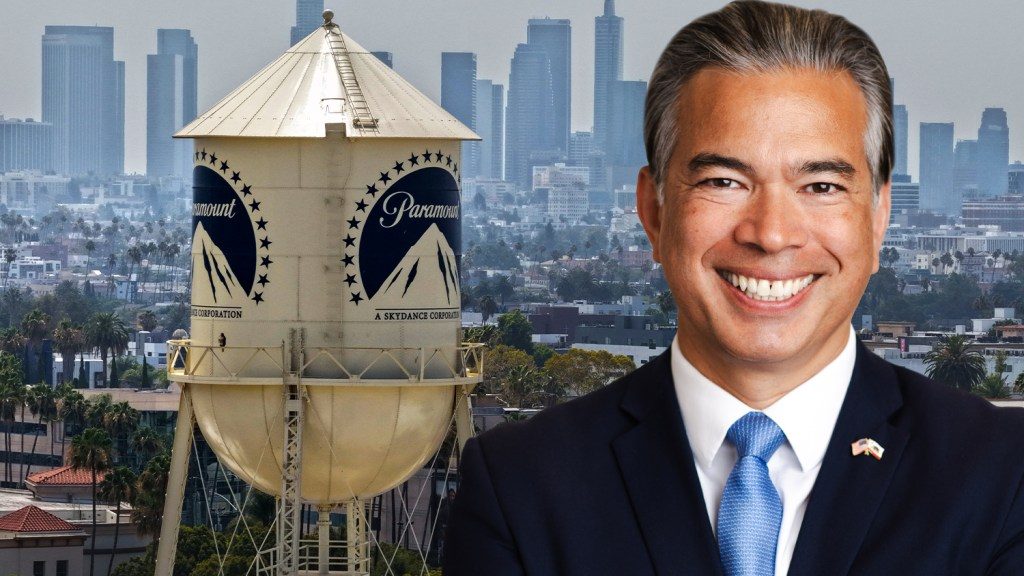
**Paramount Settlement With 12 State Attorneys General Finalized Sunday After Weekend Negotiations**
Paramount Pictures reached a settlement with the attorneys general of twelve U.S. states on Sunday night, after a week of negotiations that had the legal battle poised for the Supreme Court. The agreement was signed after sundown, marking the end of a protracted dispute over the company’s planned merger with Warner Bros.
California Attorney General Rob Bonta confirmed the final signatures were completed by midnight, ending months of stalled talks.
The deal came after a period of “sabre‑rattling” that had pushed the parties toward federal court. Negotiations that had been at a standstill picked up last week, and an insider with knowledge of the situation reported that the process “got unstuck” over the weekend.
The settlement was announced in a press conference on Monday morning, giving both sides a clear resolution after repeated delays.
A key driver behind the breakthrough was California Governor Gavin Newsom, who remained publicly silent during the final week but is believed to have applied pressure on the state attorney general to pursue an agreement outside of court. In August, Newsom expressed concerns about the merger but ultimately pushed for a deal.
The governor faced criticism from actor Mark Ruffalo, who blamed him for delivering a “huge win to Trump and his billionaire cronies.”
## Background & Context
For months, the merger between Paramount and Warner Bros had threatened to become a headline Supreme Court case. Legal teams from both sides engaged in back‑and‑forth discussions that left the outcome uncertain.
A source with knowledge of the negotiations indicated that the standoff was almost at an impasse until last week’s renewed talks. The process reportedly “got unstuck” over the weekend, allowing parties to move forward toward a settlement.
Newsom’s involvement has been a focal point for many observers. He declined to comment on his role in the final stretch of negotiations, but his decision to keep the situation private in the last week led critics to speculate that he was steering the AG’s agenda.
The governor’s August remarks about concerns over the merger, followed by a push for an out‑of‑court resolution, illustrate the political dynamics that underpinned the settlement.
## What People Are Saying
Attorney General Bonta described the final stages of negotiation as “the hardest part,” noting that percentages could reach 90% or 95% before “something unexpected” slows progress. “You get to a place… and then the last part is often the hardest,” he said, acknowledging that a “hiccup” still occurred.
When a reporter asked whether he had brushed his teeth yet at the time of the deal’s completion, Bonta replied, “I can affirmatively say yes.”
Bonta framed the settlement as a win for California, stating that it would prevent the merger from proceeding. However, he also conceded that state leaders still believe the merger should not happen. The comments underscore a cautious optimism: while the legal battle has been won, policy concerns about the merger remain unresolved.
## What Happens Next
Ellison, a figure involved in the settlement discussions, indicated that finalizing the agreement would likely take place within the next two weeks. His statement was made on Monday, suggesting that the parties are now moving toward official documentation and public disclosure.
Once completed, the settlement will close the legal chapter that had threatened to drag into federal court.
The deal’s finalization will also set a precedent for how other state attorneys general might approach similar mergers. It remains to be seen whether the agreement includes provisions for ongoing oversight or conditions that address the concerns expressed by state leaders.
As the settlement moves toward completion, stakeholders will monitor whether the terms meet the expectations set during the week‑long negotiations.
The settlement’s conclusion marks a pivotal moment for Paramount and Warner Bros, ending months of uncertainty and providing a framework for how large media mergers might be scrutinized in the future.
Why It Matters
Our Take
GoNews Pulse Editorial Team
This article was prepared for publication by GoNews Pulse and checked for publication requirements under our editorial standards. We review available information and correct material errors when they are identified.
Quick Answers
- What is the latest update on this story?
- When 12 state attorneys launch a surprise settlement, the Paramount‑Warner deal stalls and a Supreme Court showdown disappears.
- Who is this story about?
- This article covers developments related to 12 Attorneys' Shock Move Forces Paramount and Warner Bros. to Split. GoNews Pulse's editorial team monitors the story and updates the article as new verified information becomes available.
- Where can I read more about Paramount Pictures?
- GoNews Pulse publishes original reporting on Paramount Pictures and related entertainment news. Visit the homepage or browse the section dedicated to this story for the latest coverage.
Related topics
- #Paramount Pictures
- #Warner Bros.
- #Gavin Newsom
More From This Section

Jon Gosselin's 22‑Year‑Old Son Exposes Abuse, Father Shouts Support
Jon Gosselin declares that his son’s 22‑year‑old memoir exposes alleged institutionalization and a hidden ‘small holding’ cell, sparking a national debate.

Mike Colter's Valley Firm AGI Bo Revealed at 2:00 a.m. Shocks Fans
Rob McClure's portrayal of Bo forces the firm to confront a real‑world AGI asking for legal guardrails, sparking a tense ethical debate.

Meredith Grey's bed proposal to Nick on surgery table stuns fans
Meredith Grey slipped a ring into Nick's hand while he lay on the operating table, a move that stunned fans amid the bridge collapse.