
Paramount’s Sudden Settlement Seals $110B Warner Deal
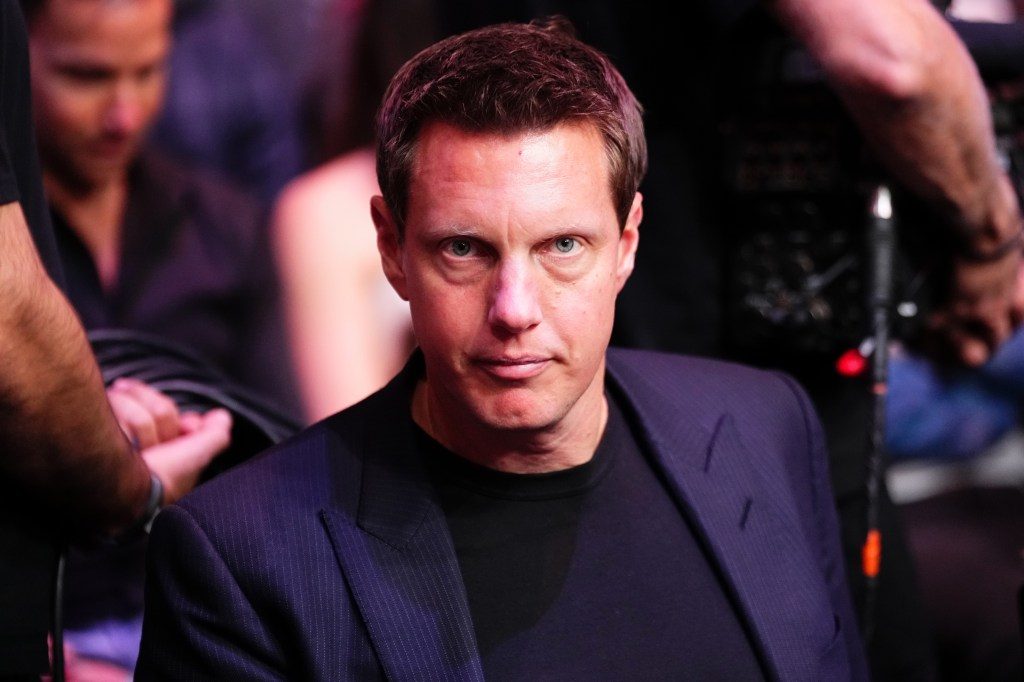
Paramount Pictures has reached a settlement with a coalition of state attorneys general led by California’s Rob Bonta, removing the last legal obstacle to its planned acquisition of Warner Bros. Discovery (WBD).
The agreement includes concessions on behavioral remedies, financial penalties tied to CEO David Ellison’s commitment to release 30 movies a year, and a temporary separation of the studios. It also incorporates terms that allow Paramount to keep its cable networks and absorb WBD shareholders at $31 .
The settlement was announced late Friday, and the news sent Paramount shares up 9% while WBD’s stock rose 10%. Analysts say the deal now looks set to close in the third quarter of 2026, pending final regulatory approvals. The merger is valued at roughly $110 billion in enterprise value and could generate over $6 billion in synergies, .
The negotiations had been tense for months. A judge had scheduled a trial for March after the U.S. Department of Justice approved the merger, and the state attorneys general filed their lawsuit a month later.
Paramount’s CEO threatened a Hollywood exit and relocation in response to industry backlash, creating urgency for a resolution.
## Background & Context
The roots of this deal trace back to early 2024 when Paramount announced a definitive agreement to buy Warner Bros. Discovery for $31 , valuing the company at $81 billion in equity. The transaction was financed with $47 billion in equity and $54 billion in debt, largely guaranteed by Oracle co‑founder Larry Ellison.
In the months that followed, Paramount positioned itself as a leading content conglomerate—owning everything from blockbuster franchises to a vast library of television classics—while WBD brought its own powerhouse assets, including the studio’s flagship properties and its rapidly expanding streaming platform, Max.
The merger had already received clearance from the U.S. Department of Justice, the European Union, and the United Kingdom, setting the stage for a global expansion that could reshape distribution dynamics across continents.
However, as soon as DOJ approval became public, a coalition of state attorneys general—led by California’s Bonta—filed an antitrust lawsuit in July. The suit alleged violations in three markets: cable programming, wide‑release films, and blockbuster films.
A temporary restraining order was granted early in the case, forcing Paramount to pause any progress toward closing until the dispute was resolved.
While the merger was pending, the Writers Guild of America also filed a lawsuit against the deal. The guild’s case ran parallel to the states’ complaint and added another layer of regulatory scrutiny. Together, these legal challenges halted the transaction and set the stage for the settlement that would now bring the deal back on track.
## The Legal Tussle in Detail
The antitrust lawsuit was not merely a procedural hurdle; it was a battle over how Hollywood’s future would be shaped. The states argued that a single corporate entity could reduce competition in critical distribution channels, potentially leading to higher costs for consumers and stifling innovation.
Paramount’s defense hinged on its commitment to maintaining separate studio brands and investing heavily in new content—promises that were later embedded into the settlement.
A key component of the agreement is a behavioral remedy requiring Paramount to release 30 movies , ensuring that the combined company continues to deliver diverse theatrical releases.
Additionally, the settlement imposes a financial penalty linked to CEO David Ellison’s personal guarantee, tying executive accountability directly to the deal’s success.
For the first time since Hollywood’s last major consolidation in 2004, states now have a say in determining how far consolidation can go without sparking a backlash.
The case also set a precedent for future mergers: smaller state actors can wield significant influence over blockbuster deals, balancing federal oversight with localized concerns.
## Fan Reaction & Industry Voices
The news of the settlement reverberated throughout Hollywood’s ecosystem. Actors, producers, and screenwriters expressed relief but also caution. “We’re thrilled that the deal can move forward, but we’ve always worried about creative autonomy,” said a veteran director who prefers to remain unnamed.
“If we lose the ability to pitch stories across independent platforms, we could be losing our voice.”
In the broader fan community, social media erupted with a mix of excitement and anxiety. Fans of franchises like *Mission: Impossible*, *Fast & Furious*, and *The Batman* celebrated the potential for a unified creative vision that could deliver cross‑over events.
Meanwhile, long‑time viewers of cable shows voiced concerns over possible cuts in niche programming. A popular online forum thread highlighted how the consolidation might threaten beloved cable shows that have struggled to find an audience on streaming platforms.
Industry trade magazines noted that many Hollywood insiders were watching this settlement as a bellwether for future content deals. “The Paramount‑WBD merger is not just about dollars; it’s about who tells the stories,” an executive writer observed. “If we lose a platform, we lose a voice.”
## Industry Impact: Synergies, Jobs, and Competition
From a financial standpoint, the merger promises considerable synergies.
Analysts project that the combined company could cut operating costs by $500 million annually through shared distribution, marketing, and production facilities. the $6 billion in projected synergy gains underscores the strategic rationale behind the deal: a streamlined supply chain, stronger bargaining power with distributors, and a larger content library to fuel streaming growth.
However, the consolidation raises legitimate concerns about employment. The combined entity is expected to carry an $80 billion debt load—an issue that prompted Governor Newsom’s repeated pleas for a structure that protects jobs.
While the settlement removed the requirement to sell cable networks—an outcome that many fear could reduce layoffs—unions and labor groups remain vigilant. “We’re watching closely how Paramount plans to integrate WBD’s workforce,” said a union representative. “If job cuts happen, we’ll be prepared to act.”
Competition law scholars also weigh in. The merger eliminates one of the biggest competitors in the U.S. studio market, potentially shifting market dynamics and influencing pricing for advertising and subscription services. “A larger Paramount could dictate terms to distributors and advertisers,” a professor of antitrust law noted.
“That’s why the court’s decision to impose behavioral remedies is significant.”
The deal also intersects with the streaming arms of both companies. Max, Warner Bros. Discovery’s flagship platform, will merge with Paramount+ (formerly CBS All‑Access).
The consolidation could streamline content offering and reduce redundant platforms. Fans of Max might benefit from a broader library, while Paramount+ viewers could see new shows and movies added to their subscription.
## What People Are Saying
The settlement came after a weekend of high‑stakes negotiations. New York, Connecticut, Minnesota, and Nevada were said to have held out until Sunday, when assurances from California’s Bonta helped bring them to agreement.
Bonta had previously expressed a preference for structural remedies—such as asset sales—over behavioral remedies that require ongoing monitoring.
California Governor Gavin Newsom has been in constant contact with the parties, reportedly urging a solution that addresses core concerns for Hollywood and the state.
A source close to Sacramento officials said, “It’s jobs, jobs, jobs—that’s what this all about.” The comment reflects broader industry worry that the merger could result in significant job losses given the combined entity’s projected $80 billion debt load.
The settlement also includes a clause that allows Paramount to keep its cable networks and removes the requirement to sell them—a concession that could ease fears of job cuts in cable distribution. Despite this, some Hollywood figures, including actors and producers, had voiced opposition earlier in the year, .
## What Happens Next
With the state attorneys general’s objections removed, Paramount is now poised to finalize the acquisition of Warner Bros. Discovery. The deal will see Paramount buying out WBD shareholders for $31 , a price that aligns with the earlier definitive agreement.
Financing remains largely unchanged: $47 billion in equity and $54 billion in debt, backed by Larry Ellison’s guarantee. The merger also benefits from recent FCC approval, which waived a 25% foreign ownership cap to allow Middle East sovereign wealth funds to hold 49.5% of the combined company on a non‑voting basis.
The next steps involve filing final paperwork with federal regulators and obtaining the last corporate approvals. Once those are secured, the merger is expected to close in the third quarter of 2026, after which Paramount will integrate Warner Bros. Discovery’s studios and assets.
In short, Paramount’s settlement with the state attorneys general has cleared a significant legal hurdle, setting the stage for one of the largest media mergers in recent history. The industry now watches as the final regulatory and corporate hoops are crossed before the deal can officially take effect.
Why It Matters
Our Take
GoNews Pulse Editorial Team
This article was prepared for publication by GoNews Pulse and checked for publication requirements under our editorial standards. We review available information and correct material errors when they are identified.
Quick Answers
- What is the latest update on this story?
- Paramount’s quick settlement with state attorneys clears the last hurdle, potentially reshaping Hollywood with a $110B Warner takeover.
- Who is this story about?
- This article covers developments related to Paramount’s Sudden Settlement Seals $110B Warner Deal. GoNews Pulse's editorial team monitors the story and updates the article as new verified information becomes available.
- Where can I read more about Paramount Pictures?
- GoNews Pulse publishes original reporting on Paramount Pictures and related entertainment news. Visit the homepage or browse the section dedicated to this story for the latest coverage.
Related topics
- #Paramount Pictures
- #Warner Bros. Discovery
- #Film Distribution
More From This Section

Jon Gosselin's 22‑Year‑Old Son Exposes Abuse, Father Shouts Support
Jon Gosselin declares that his son’s 22‑year‑old memoir exposes alleged institutionalization and a hidden ‘small holding’ cell, sparking a national debate.

Mike Colter's Valley Firm AGI Bo Revealed at 2:00 a.m. Shocks Fans
Rob McClure's portrayal of Bo forces the firm to confront a real‑world AGI asking for legal guardrails, sparking a tense ethical debate.

Meredith Grey's bed proposal to Nick on surgery table stuns fans
Meredith Grey slipped a ring into Nick's hand while he lay on the operating table, a move that stunned fans amid the bridge collapse.