
Paramount's $7.5B Loan Shocks Warner Discovery Deal—What Happens Next?
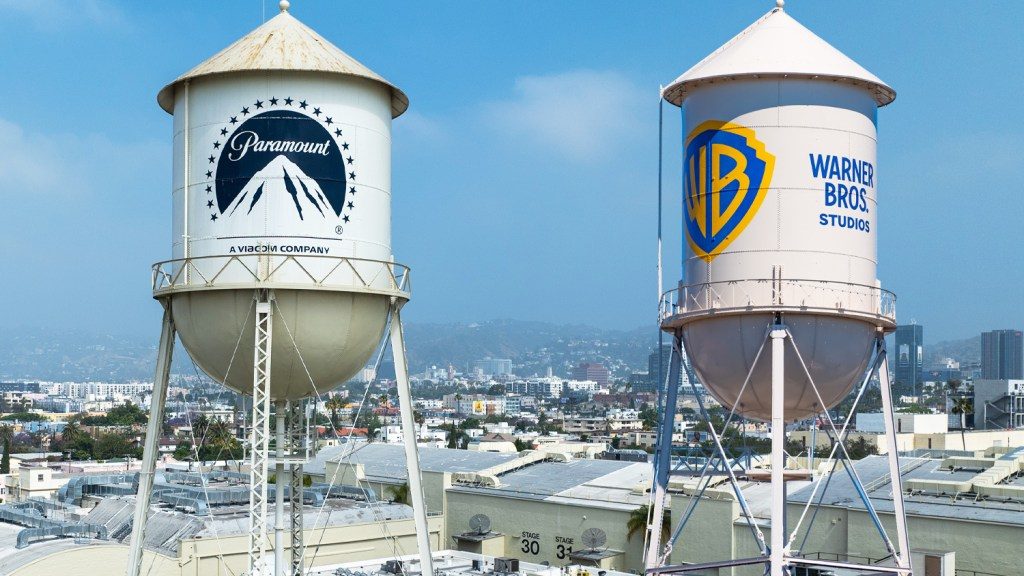
Paramount Pictures has begun syndicating a senior secured term loan of **$7.5 billion**, a crucial component of the financing it needs to close its planned acquisition of Warner Bros. Discovery (WBD).
The move follows a legal settlement that cleared the way for the merger, allowing the studio to start raising additional debt and equity to fund the **$50 billion** purchase.
The loan is part of a broader package that will see Paramount raise roughly **$44.4 billion** in secured debt, alongside previously announced financings.
The company said it will use the net proceeds of these borrowings, its cash on hand, and the net proceeds of an upcoming equity raise to pay the acquisition price and repay certain existing debt.
---
## What Happened
On Monday, Paramount settled an antitrust lawsuit brought by a coalition of 12 State Attorneys General led by California’s Rob Bonta. The settlement clears the way for the merger, but it still requires judicial approval.
With the settlement in place, bankers have started reaching out to potential investors in anticipation of selling about **$49 billion** in total debt financing.
The debt package includes $7.5 billion of investment‑grade loans that began moving forward today, roughly $30 billion of investment‑grade bonds, and some $12 billion of second‑lien bonds.
Bank of America, Citigroup and Apollo served as underwriters for the buyout debt package, a collaboration that pools lenders’ resources to fund a large loan for one borrower.
---
## Background & Context
The WBD acquisition is a monumental transaction for Paramount, representing one of the biggest media mergers in recent memory. Prior to this week’s settlement, the deal had faced regulatory scrutiny that could have halted the merger. By resolving the antitrust challenge, Paramount can proceed with financing and finalizing the purchase.
WBD itself was formed last year when **WarnerMedia** merged with **Discovery Inc.**, bringing together a vast library that spans blockbuster films, high‑profile television series, and niche documentary content.
Warner Bros.’ catalog includes iconic franchises such as *Harry Potter*, *DC Extended Universe*, and *Friends*, while Discovery brings brands like *Criciúma*, *NatGeo*, and *HGTV*. Together, they now own one of the largest content libraries worldwide.
For Paramount, this deal is a strategic response to the accelerating consolidation in the entertainment sector. The past decade has seen **Comcast** acquire **NBCUniversal**, **Disney** expand its acquisitions with Pixar, Marvel, and 20th Century Studios, and **AT&T**’s purchase of WarnerMedia (now folded into WBD).
Paramount’s own history is steeped in mergers: it spun off from Viacom in 2005, re‑merged with CBS in 2019 to form ViacomCBS (now Paramount Global), and recently decided that absorbing WBD would create a new titan capable of competing on multiple fronts.
---
## Fan Reaction
Fans across the globe have shown mixed emotions. On one hand, the consolidation promises a richer streaming experience: **Paramount+** and **HBO Max** (now part of Warner Bros.
Discovery’s streaming arm) will be able to share content, potentially offering cross‑platform access to beloved shows and movies without the need for separate subscriptions. Streaming watchers have expressed excitement about the prospect of binge‑watching *The Mandalorian* alongside *The Godfather* and *The Office* in a single dashboard.
On the other hand, some longtime subscribers fear that a single conglomerate could limit creative freedom or lead to higher subscription costs.
Twitter threads and Reddit discussions reflected concerns about “content cannibalization,” where popular shows might be pulled from one platform to push another, leaving fans puzzled by sudden removal dates. Nonetheless, the majority of viewers appear optimistic that a broader content library will ultimately benefit them.
---
## Industry Impact
The merger is expected to reshape the competitive landscape in several ways:
1. **Streaming Wars Intensify** With Paramount now wielding both Paramount+ and HBO Max’s assets, the company is poised to compete more directly with **Disney+**, **Netflix**, **Amazon Prime Video**, and **Apple TV+**.
The combined entity could leverage exclusive releases, cross‑platform bundling, and aggressive marketing to capture market share.
2. **Content Production Boom** A larger debt and equity base will enable the new company to invest heavily in original programming.
Paramount has already announced plans to expand its slate of scripted dramas and superhero films, while Warner Bros.’ expertise in blockbuster franchises could produce a steady stream of high‑budget productions that feed both theatrical releases and streaming offerings.
3. **Advertising Revenue Growth** The merged studio’s expanded library offers advertisers more data points across diverse audiences. By harnessing advanced analytics, the company can offer targeted ad placements on both linear and digital platforms, potentially boosting ad revenue streams.
4. **Regulatory Lessons** The antitrust settlement underscores the increasing scrutiny regulators apply to media consolidation. Future deals will likely face more rigorous examinations of market dominance and consumer impact, setting a precedent that could affect other potential mergers in the entertainment ecosystem.
---
## What Happens Next
With the debt syndication process underway, Paramount will continue negotiating terms with lenders and finalizing the structure of its $49 billion debt package. The company must also secure the judge’s approval of the antitrust settlement before proceeding to the next stages of financing.
Once the loan approvals are in place, Paramount will use the proceeds—alongside its cash reserves and forthcoming equity capital—to pay the purchase price for WBD and to refinance existing debt.
The combined financing strategy aims to position the merged company for a smooth transition and future growth while satisfying regulatory requirements and investor expectations.
---
## Looking Ahead
The completion of this deal will usher in a new era of storytelling possibilities, with a single entity now controlling some of the most iconic properties in film, television, and digital media. For fans, it promises an expanded universe of content and potentially a more unified streaming experience.
For the industry, it signals a decisive step toward consolidation, setting the stage for further negotiations as competitors look to strengthen their positions in an increasingly crowded marketplace.
Why It Matters
Our Take
GoNews Pulse Editorial Team
This article was prepared for publication by GoNews Pulse and checked for publication requirements under our editorial standards. We review available information and correct material errors when they are identified.
Quick Answers
- What is the latest update on this story?
- Paramount's $7.5B loan pushes the $50B Warner deal forward, but a surprise twist could reshape the media world.
- Who is this story about?
- This article covers developments related to Paramount's $7.5B Loan Shocks Warner Discovery Deal—What Happens Next?. GoNews Pulse's editorial team monitors the story and updates the article as new verified information becomes available.
- Where can I read more about Paramount?
- GoNews Pulse publishes original reporting on Paramount and related entertainment news. Visit the homepage or browse the section dedicated to this story for the latest coverage.
Related topics
- #Paramount
- #Warner Bros. Discovery
- #merger
- #streaming wars
More From This Section

Jon Gosselin's 22‑Year‑Old Son Exposes Abuse, Father Shouts Support
Jon Gosselin declares that his son’s 22‑year‑old memoir exposes alleged institutionalization and a hidden ‘small holding’ cell, sparking a national debate.

Mike Colter's Valley Firm AGI Bo Revealed at 2:00 a.m. Shocks Fans
Rob McClure's portrayal of Bo forces the firm to confront a real‑world AGI asking for legal guardrails, sparking a tense ethical debate.

Meredith Grey's bed proposal to Nick on surgery table stuns fans
Meredith Grey slipped a ring into Nick's hand while he lay on the operating table, a move that stunned fans amid the bridge collapse.