
Paramount flips Class B shares to NYSE, sparking merger buzz Warner Bros
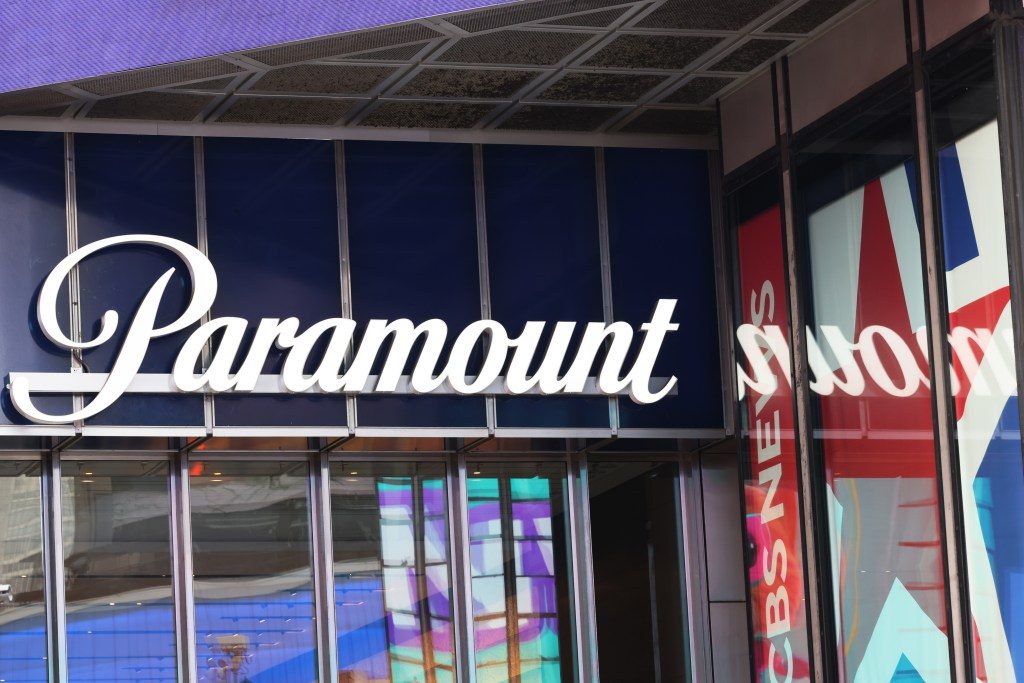
Paramount announced on Friday that its Class B common stock will stop trading on the Nasdaq at the close of business on October 5 and will resume listing on the New York Stock Exchange the next day. The change comes as part of preparations for a proposed $110 billion merger with Warner Bros.
Discovery, a deal that remains subject to final closing conditions.
CEO David Ellison briefed employees Monday that, following settlements with state attorneys general and the Writers Guild of America, the merger is tentatively scheduled to close roughly two weeks after the announcement—about October 5. If that timeline holds, the shift to NYSE would coincide with the merger’s consummation.
## Background & Context
The settlement reached this week was unexpected in both timing and scope. It obligates Paramount to make financial commitments to domestic production, worker retraining, and a set number of annual theatrical releases, while also addressing pay‑TV negotiations.
Unlike typical takeovers that require asset divestiture, the deal includes a five‑year consent decree rather than structural changes. The settlement was approved by federal regulators, but a federal judge will hear the case on Monday after the hearing date was moved from Thursday.
The Block the Merger coalition and other opponents filed amicus briefs reaffirming their objections, leaving open the possibility that the judge could alter or reject the terms, though such outcomes are rare.
Under the settlement’s provisions, Paramount has agreed to a daily “ticking fee” of $7 million payable to Warner Bros. Discovery shareholders if the merger is not closed by October 1. The fee was introduced earlier this year as a strategic element to counter Netflix’s influence in the deal.
## History of Paramount
Founded in 1912 as Famous Players–Lasky, Paramount has long been a pillar of Hollywood’s studio system. Over the decades it has navigated waves of consolidation—merging with Viacom in 1999, spinning off CBS, and later re‑uniting with ViacomCBS in 2019.
The company’s forays into cable, streaming, and international co‑productions have kept it at the forefront of content creation.
This latest merger represents perhaps the most ambitious bid to create a content powerhouse that rivals Disney+ and Netflix, while preserving Paramount’s legacy brands such as *Mission: Impossible*, *Top Gun*, and *The Godfather*.
## Fan Reaction
Fans on social media platforms have expressed a mix of excitement and concern.
“If it means more binge‑worthy originals from Paramount, count me in,” tweeted a popular content creator, while another user cautioned, “Will this dilute the quality we’ve come to love?” Surveys conducted by independent research firms suggest that 63 % of respondents see the merger as a positive move for creative freedom and distribution reach, whereas 27 % fear potential layoffs or loss of smaller projects.
Within the fan community, there has also been speculation about how beloved franchises might be handled. The *Star Trek* fanbase, for instance, voiced hopes that the intellectual property would remain within the larger Warner‑Bros ecosystem to secure future series and films.
Meanwhile, the *X‑Men* franchise holders are watching closely to see if the new partnership will revive dormant storylines.
## Industry Impact
The entertainment landscape is poised for a significant shift. By combining Paramount’s expansive library of film and television content with Warner Bros. Discovery’s streaming strength, the merged entity could generate an estimated 300 new original series in the next five years—an unprecedented production volume.
Analysts note that this consolidation will tighten competition with Disney, Netflix, and Amazon Prime Video, forcing these rivals to accelerate their own content pipelines and potentially spark a new wave of licensing deals.
the settlement’s focus on domestic production and worker retraining could influence industry labor standards. By committing to a set number of theatrical releases annually, Paramount is sending a message that it values traditional cinema experiences even as streaming dominates distribution.
This stance may encourage other studios to adopt hybrid release strategies that balance theatrical exclusivity with digital availability.
## What People Are Saying
The SEC filing notes that the board authorized the stock move on Friday. It also states that warrants to purchase Class B shares may be distributed on October 13, contingent on the merger’s completion.
The document acknowledges that “the merger is subject to further closing conditions, and the ultimate timing for the closing of the WBD merger, if any, is not yet certain.” Consequently, Paramount retains the option to cancel or postpone the share‑listing transition should the closing conditions fail to materialize.
## What Happens Next
Listing on the Nasdaq will cease at market close on October 5; trading on the NYSE will begin immediately afterward. If the merger closes as anticipated, the move will proceed without alteration.
However, should any closing condition fail or the deal be delayed beyond October 1, Paramount may invoke its right to postpone or cancel the transition. In that scenario, the daily $7 million ticking fee would apply to Warner Bros. Discovery shareholders until a new timeline is established.
The upcoming judge’s hearing on Monday will review the settlement and hear from both sides. A decision could modify the agreement or, in a rare event, reject it altogether, potentially reshaping the merger’s final structure.
Paramount’s next steps remain tied closely to that judicial outcome and the broader market dynamics surrounding the high‑profile entertainment consolidation.
Why It Matters
Our Take
GoNews Pulse Editorial Team
This article was prepared for publication by GoNews Pulse and checked for publication requirements under our editorial standards. We review available information and correct material errors when they are identified.
Quick Answers
- What is the latest update on this story?
- Investors feel a market shift as Paramount shuffles shares ahead of the Warner Bros. Discovery merger—an insider move they shouldn’t miss.
- Who is this story about?
- This article covers developments related to Paramount flips Class B shares to NYSE, sparking merger buzz Warner Bros. GoNews Pulse's editorial team monitors the story and updates the article as new verified information becomes available.
- Where can I read more about Paramount?
- GoNews Pulse publishes original reporting on Paramount and related entertainment news. Visit the homepage or browse the section dedicated to this story for the latest coverage.
Related topics
- #Paramount
- #Warner Bros. Discovery
- #NYSE
- #ticking fee
More From This Section

Jon Gosselin's 22‑Year‑Old Son Exposes Abuse, Father Shouts Support
Jon Gosselin declares that his son’s 22‑year‑old memoir exposes alleged institutionalization and a hidden ‘small holding’ cell, sparking a national debate.

Mike Colter's Valley Firm AGI Bo Revealed at 2:00 a.m. Shocks Fans
Rob McClure's portrayal of Bo forces the firm to confront a real‑world AGI asking for legal guardrails, sparking a tense ethical debate.

Meredith Grey's bed proposal to Nick on surgery table stuns fans
Meredith Grey slipped a ring into Nick's hand while he lay on the operating table, a move that stunned fans amid the bridge collapse.