
David Ellison Threatens to Move Paramount Out of California for Merger
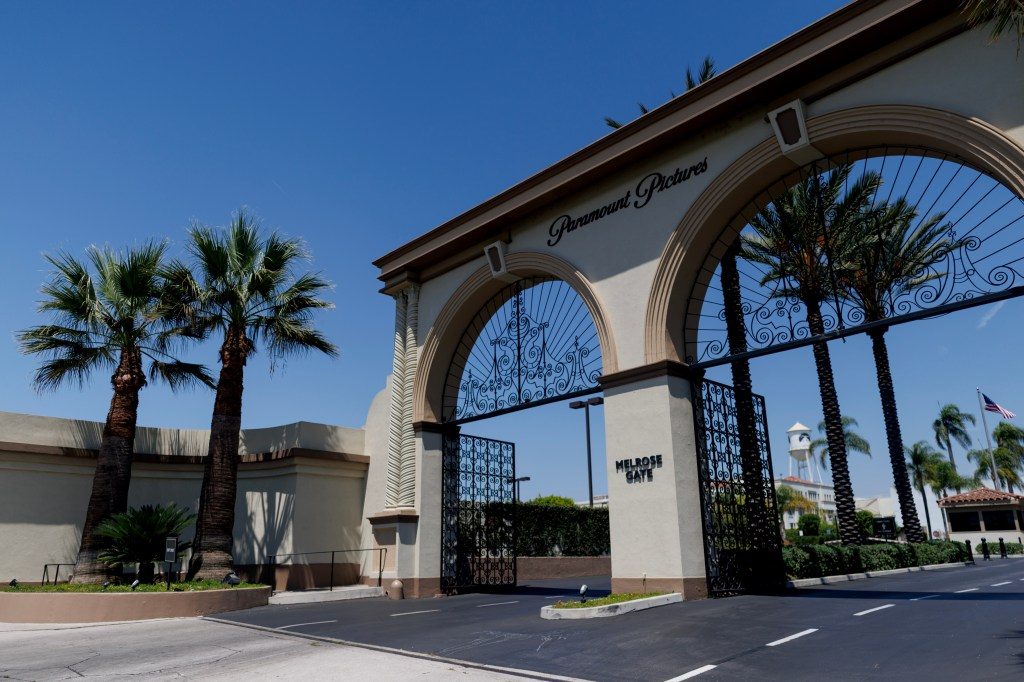
David Ellison, the chief executive of Paramount Pictures, has announced that he is ready to relocate the company’s headquarters out of California if the state refuses to drop its efforts to block Paramount’s pending merger with Warner Bros Discovery.
The decision would end Paramount’s 100‑plus‑year presence in Hollywood, a move that has already sparked intense legal and political scrutiny.
Paramount told key officials that it is “deadly serious” about leaving the state, even putting down a deposit on moving trucks. L.A. Mayor Karen Bass and California Attorney General Rob Bonta, who joined 11 other states in an antitrust lawsuit against the $110 B merger, were among those informed.
The company’s possible relocation to Georgia, Tennessee or Texas could result in thousands of job losses for the Los Angeles economy and could trigger layoffs within the merged entity as it pursues $6 B in cost savings.
## Background & Context
The antitrust dispute began in mid‑July when the U.S. Attorney General and a coalition of states filed suit to block Paramount’s merger with Warner Bros Discovery. A federal trial date has been set for March 2, and the parties will hold court‑ordered settlement meetings next month.
Paramount has also requested a $1.88 B bond from plaintiffs to cover “extraordinary losses” it expects from a “ticking fee” during litigation; a hearing on this request is scheduled for next week.
The ticking fee, which Paramount voluntarily added as a sweetener in its battle with Netflix over acquiring Warner Bros Discovery, will begin on October 1. At roughly $7.2 M a day, the fee would reach $635 M for the full quarter and would be paid directly to Warner Bros Discovery shareholders.
The fee’s timing places Paramount’s potential move near the start of the fee’s application.
In September, the Los Angeles County Economic Development Corporation released a report estimating that relocating Paramount would cost California between $1.01 B and $2.03 B in economic output from October 2026 to September 2031, and would permanently eliminate between 28,990 and 57,980 full‑time jobs statewide across all industries.
The same report cited losses of between $10.6 B and $21.2 B annually in economic output if the merger falters. Paramount’s September 8 statement warned of similar “harsh consequences” if the merger did not succeed.
Despite these potential setbacks, Paramount executives have insisted that job losses would be minimal, arguing that efficiencies would arise through technology and other means.
The company also highlighted its commitment to continue producing at least 30 theatrical releases a year for three years post‑merger, a pledge that would generate an estimated $377.7 M to $1.01 B in economic output between October 2026 and September 2031.
## What People Are Saying
A spokesperson for City Hall told that “Mayor Bass is focused on protecting and fighting for jobs in L.A., including critical jobs in the entertainment industry that have been a vital part of Los Angeles’ economy.” The mayor’s office stated that she would continue to fight to keep Hollywood in L.A.
The attorney general’s office declined to comment on Paramount’s plans, stating “We cannot comment on a company’s plans,” a spokesperson for AG Bonta told Wednesday over the moving notice.
The statement also noted that Paramount’s threat had been made despite its alleged commitment to California and Hollywood, and that the AG would continue to apply the law without fear or favor.
No official from Paramount has commented on the current state of exit plans, even after reported that the company had reached out to city and state officials about an exit announcement.
Sources indicate that Tennessee has been considered due to its strong link to the Ellison family, and Paramount has been exploring commercial real estate opportunities that could suit its needs.
The Writers Guild of America has also sued Paramount in connection with the merger, and AG Bonta is scheduled to appear on an antitrust panel in New York City on Thursday with attorneys general from Pennsylvania and New Hampshire. These developments underscore the high stakes for both the legal battle and Paramount’s potential relocation.
## What Happens Next
The next month will bring court‑ordered settlement meetings between Paramount, Warner Bros Discovery and the plaintiffs. A hearing next week will address Paramount’s request for a bond to cover extraordinary losses caused by a ticking fee. The U.S.
Department of Justice has already sided with Paramount on jurisdiction and the bond request, and a potential Supreme Court intervention has been hinted at.
The possibility of a move will not immediately alter the antitrust suit’s trajectory through federal courts. However, if Paramount were to leave, it would create immediate optics that could influence public perception and political pressure.
The DOJ’s recent stance indicates that any relocation would be viewed as a separate issue from the merger’s antitrust implications.
Meanwhile, Paramount’s potential departure remains tied to the outcome of the federal trial on March 2. If the court upholds the merger, Paramount may still consider relocation; if it blocks the deal, the company’s strategic options could shift dramatically. The industry is watching closely as these legal and economic forces converge.
The looming merger, with its projected $80 B debt, is widely expected to result in workforce reductions, but Paramount has maintained that layoffs would be minimal. Economic analysts note that Paramount’s assurances about preserving theatrical release output and job commitments are key to mitigating the impact on California’s economy.
The final outcome will depend on a complex mix of legal rulings, political actions, and corporate strategy.
The stakes for Hollywood are clear: a decision made by Paramount could reshape the industry’s geographic center, alter employment levels across multiple states, and redefine the competitive landscape of U.S. entertainment.
As the legal battle unfolds, stakeholders from city officials to labor unions will weigh in, and the company’s next move—whether to stay or go—could set a precedent for how major studios navigate regulatory challenges.
Why It Matters
Our Take
GoNews Pulse Editorial Team
This article was prepared for publication by GoNews Pulse and checked for publication requirements under our editorial standards. We review available information and correct material errors when they are identified.
Quick Answers
- What is the latest update on this story?
- Ellison warns Paramount could relocate from California unless its $110B merger with Warner Bros is blocked.
- Who is this story about?
- This article covers developments related to David Ellison Threatens to Move Paramount Out of California for Merger. GoNews Pulse's editorial team monitors the story and updates the article as new verified information becomes available.
- Where can I read more about Paramount Pictures?
- GoNews Pulse publishes original reporting on Paramount Pictures and related entertainment news. Visit the homepage or browse the section dedicated to this story for the latest coverage.
Related topics
- #Paramount Pictures
- #Warner Bros Discovery
- #David Ellison
More From This Section

Jon Gosselin's 22‑Year‑Old Son Exposes Abuse, Father Shouts Support
Jon Gosselin declares that his son’s 22‑year‑old memoir exposes alleged institutionalization and a hidden ‘small holding’ cell, sparking a national debate.

Mike Colter's Valley Firm AGI Bo Revealed at 2:00 a.m. Shocks Fans
Rob McClure's portrayal of Bo forces the firm to confront a real‑world AGI asking for legal guardrails, sparking a tense ethical debate.

Meredith Grey's bed proposal to Nick on surgery table stuns fans
Meredith Grey slipped a ring into Nick's hand while he lay on the operating table, a move that stunned fans amid the bridge collapse.