
Paramount CEO David Ellison’s $16M ‘Cozy’ Deal With Trump Exposed
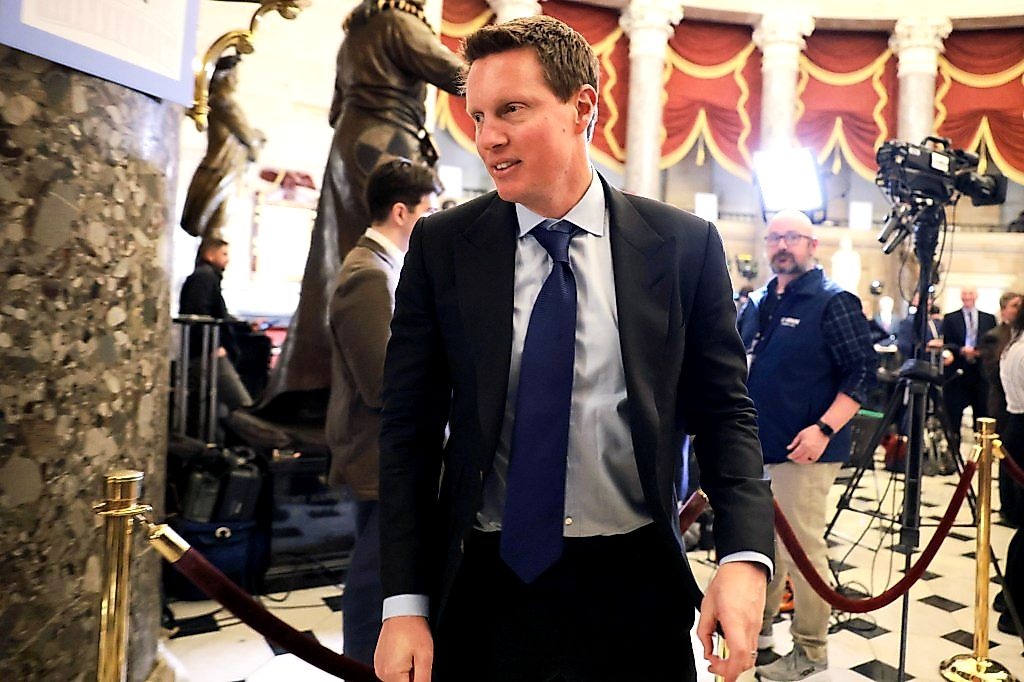
# David Ellison’s Trump Ties Are Far Overstated, Says Paramount Board Member In a blustering defense delivered on a Friday night in Los Angeles, Gerry Cardinale, a long‑time investor and board member of Paramount Pictures, called the headline‑making claim that CEO David Ellison is “cozy” with former President Donald Trump a “complete exaggeration.” The remarks came amid a flurry of media speculation over the studio’s recent attempts to close a multi‑year merger with Warner Bros.
Discovery and the high‑profile battles that have marked Ellison’s tenure. Cardinale’s comments, though steeped in corporate jargon, hit a nerve: they suggest that the industry’s latest saga might be less about political intimacy and more about standard business diplomacy.
Cardinale’s words, delivered at the Bloomberg Screentime conference in Los Angeles, were designed to blunt the growing narrative that Paramount’s leadership has been playing favorites. “Forget the political spectrum,” he said, “the administration is pro‑business.
Every company in the industry needs a relationship with that environment. That doesn’t translate into coziness.” He added that Trump’s interest in technology and media naturally pulls major studios into dialogue, regardless of any personal rapport.
The board member’s remarks underscored a familiar tension: the delicate balance between navigating a politically charged climate and maintaining a neutral public image. What makes this episode especially intriguing is the backdrop of a legal dispute that nearly derailed Paramount’s ambitions.
In the summer, Trump filed a lawsuit against Paramount‑owned CBS News. The case was settled for $16 million.
Regulators approved the deal promptly after the settlement.
Cardinale’s defense therefore comes at a pivotal moment, when the studio’s future is hanging in the balance and the public eye is intensely focused on any hint of political bias. ## Background & Context Paramount’s flirtation with the Trump administration dates back to the early days of the former president’s presidency.
During that period, Ellison made several high‑profile visits to Mar‑a‑Lago, the Florida resort that had become a magnet for political elites.
In addition, the studio hosted a series of events for Trump in Washington, including a reception that coincided with the White House Correspondents’ Association dinner—a traditional showcase for media executives and political insiders alike.
These gatherings were part of a broader strategy to position Paramount as a media player with strong ties to the administration, a move that some critics interpreted as an attempt to curry favor. The most contentious element of the relationship, however, is the role of CBS News.
Under Ellison’s watch, the division purchased The Free Press, a controversial online news site, and installed Bari Weiss as editor‑in‑chief. Weiss’s tenure was brief, but the appointment was seen by many as an effort to reshape CBS News’ editorial stance in a way that might appease the administration.
Meanwhile, flagship programs such as *60 Minutes* began to air segments that critics claimed leaned toward a pro‑government narrative. Whether these programming changes were intentional or coincidental, the resulting perception of bias has fueled the narrative that Ellison and Paramount are “cozy” with Trump.
Adding another layer to the story is Paramount’s multi‑billion‑dollar partnership with the UFC, a brand that has long enjoyed high‑profile visibility in the White House.
The organization’s fights, some of which were held on the White House lawn during Trump’s tenure, are broadcast on Paramount+ and feature prominent figures like Nick Khan and Ari Emanuel, the latter of whom had once represented Trump as a talent agent.
These intertwined relationships raise the question: when a corporate leader is connected to a political figure through business and entertainment ventures, does that constitute coziness, or is it simply part of the industry's networking fabric? ## What People Are Saying Cardinale’s remarks have sparked a polarized response from both industry insiders and political commentators.
Supporters of the former president argue that the presence of Ellison at Mar‑a‑Lago and the UFC events demonstrates a personal friendship that extends beyond corporate necessity.
They point to Trump personally attending the UFC fight held on the White House lawn last summer, suggesting a direct endorsement of the studio’s brand. These voices often cite the high‑profile nature of the events as proof that Paramount’s leadership is leaning too heavily toward the former administration’s worldview.
Conversely, many executives and observers have lauded Cardinale’s defense as a timely reminder that corporate relationships with government entities are inevitable and not inherently problematic.
They argue that “coziness” implies a level of favoritism that is both illegal and unethical, a standard that no major studio would want to cross.
From this perspective, the studio’s engagement with Trump’s circle is a strategic move to secure favorable regulatory treatment—an approach that is common across the entertainment sector.
The $16 million settlement with CBS News, while costly, can also be viewed as a necessary legal step to protect the studio’s interests and prevent the lawsuit from derailing the merger with Warner Bros. Discovery.
The public reaction has been equally mixed. Social media chatter ranges from memes that mock the alleged “cozy” relationship to earnest debates about media bias.
Some commentators have pointed out that the story mirrors similar controversies involving other studios, such as the recent discussions around Disney’s dealings with the Biden administration.
Others emphasize that the story highlights the delicate dance between business and politics that has become a hallmark of modern media conglomerates. ## What Happens Next With the merger negotiations between Paramount and Warner Bros.
Discovery poised to culminate next week, the studio’s political posture will inevitably come under scrutiny. Should the deal go through, Paramount would become part of a larger media juggernaut that already houses a vast array of streaming services, potentially giving it more leverage to shape public discourse.
This development could intensify calls for greater transparency regarding the studio’s relationships with political figures. Cardinale’s comments may also have a chilling effect on how other industry leaders approach political engagement.
If the narrative that “cozy” ties are unacceptable gains traction, executives may become more circumspect about public appearances with political figures. The recent settlement with CBS News could serve as a case study in corporate governance courses, illustrating the risks of perceived bias.
At a broader level, the story is a reminder that the entertainment industry is not isolated from politics. Whether through legal settlements, executive appointments, or high‑profile sporting events, studios are constantly navigating a landscape where business interests and political climates intersect.
As the merger moves forward, all eyes will remain on Paramount to see whether its leadership will continue to balance these dynamics or shift course entirely.
In the end, Gerry Cardinale’s declaration that David Ellison’s ties to Donald Trump are “far overstated” is more than a defensive statement; it is a claim about the very nature of power in Hollywood.
The industry’s future will hinge on how it responds to these questions, and whether it can prove that its ambitions are driven by creativity rather than politics.
At a Glance
- Paramount board member Gerry Cardinale dismisses claims that CEO David Ellison is cozily aligned with Donald Trump, calling it an exaggeration.
- The $16M settlement of Trump’s lawsuit against Paramount‑owned CBS News cleared the way for a high‑stakes merger with Warner Bros. Discovery, shaping the streaming landscape.
- The controversy highlights the tension between political engagement and corporate neutrality, raising questions about media bias and regulatory influence.
Why It Matters
Our Take
GoNews Pulse Editorial Team
This article was prepared for publication by GoNews Pulse and checked for publication requirements under our editorial standards. We review available information and correct material errors when they are identified.
Quick Answers
- What is the latest update on this story?
- Cardinale slammed the $16M claim, insisting 'No favoritism, just business' amid looming merger talks.
- Who is this story about?
- This article covers developments related to Paramount CEO David Ellison’s $16M ‘Cozy’ Deal With Trump Exposed. GoNews Pulse's editorial team monitors the story and updates the article as new verified information becomes available.
- Where can I read more about celebrity news?
- GoNews Pulse publishes original reporting on celebrity news and related entertainment news. Visit the homepage or browse the section dedicated to this story for the latest coverage.
More From This Section

Jon Gosselin's 22‑Year‑Old Son Exposes Abuse, Father Shouts Support
Jon Gosselin declares that his son’s 22‑year‑old memoir exposes alleged institutionalization and a hidden ‘small holding’ cell, sparking a national debate.

Mike Colter's Valley Firm AGI Bo Revealed at 2:00 a.m. Shocks Fans
Rob McClure's portrayal of Bo forces the firm to confront a real‑world AGI asking for legal guardrails, sparking a tense ethical debate.

Meredith Grey's bed proposal to Nick on surgery table stuns fans
Meredith Grey slipped a ring into Nick's hand while he lay on the operating table, a move that stunned fans amid the bridge collapse.