
Pakistan's 'Hanging By a Wire' lands first documentary Oscar bid 2024
# **Mo Naqvi’s ‘Hanging By a Wire’ Sees Pakistan’s First Documentary in Oscars** In a move that will ripple through both Pakistani cinema and the global documentary circuit, director Mo Naqvi’s nonfiction thriller *Hanging By a Wire* has been chosen to represent Pakistan in the Best International Feature Film category at the 99th Academy Awards.
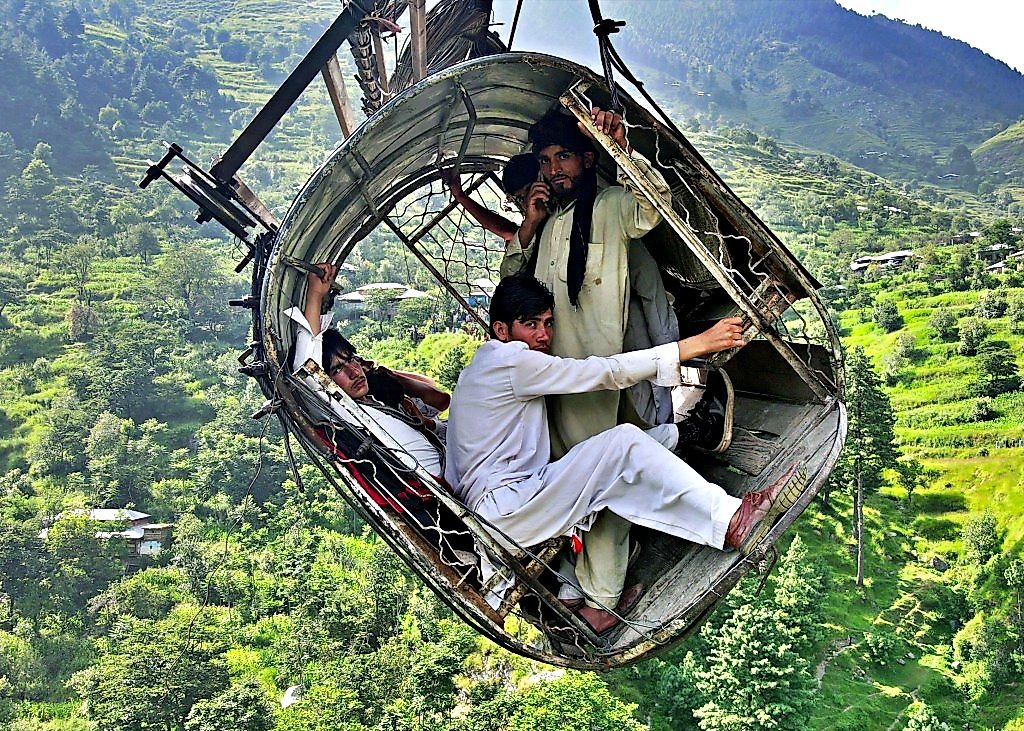
The film tells the harrowing true story of a 2023 cable‑car disaster that left six children and two adults dangling 900 feet above the mountains of northern Pakistan.
With its debut at Sundance, the film has already captured international attention, and now it stands poised to become Pakistan’s first documentary nominee in the Oscars’ prestigious category. The decision marks a historic turning point for Pakistani filmmaking.
For decades, the nation’s submissions have largely followed the traditional narrative‑film formula, with drama and romance dominating the reels.
By selecting a documentary that blends raw, eyewitness footage with reconstructed scenes, Pakistan signals a willingness to embrace risk and authenticity in its cinematic voice. The selection also underscores the growing recognition of documentary cinema as a powerful vehicle for storytelling on the world stage.
Behind the film’s selection lies a story of community resilience and creative ingenuity. The footage captured by local residents, coupled with the director’s immersive reconstructions, offers audiences an unfiltered look at how ordinary people rose to the occasion in a life‑threatening emergency.
As the country’s first documentary to make the Oscar ballot, *Hanging By a Wire* promises to bring a fresh, visceral perspective to international audiences. ## Background & Context The August 2023 incident that inspired *Hanging By a Wire* occurred in the remote district of Battagram, a region where conventional roads are scarce and mobility relies heavily on improvised cable cars.
A sudden snap of the cable left the car, containing six schoolchildren and two adults, suspended above the jagged peaks, teetering on the brink of a fatal plunge. The incident drew global media attention, but the local response—swift, daring, and resourceful—remained largely untold until Naqvi’s documentary surfaced.
Naqvi, who serves as the film’s director, writer, and producer alongside Bilal Sami, approached the story with a blend of journalistic rigor and cinematic flair.
He sifted through a wealth of footage shot by the passengers themselves, then reconstructed key moments with the participation of the very individuals who had survived the ordeal.
The result is a documentary thriller that feels both like a live broadcast and a meticulously crafted narrative, weaving survivor testimony with dramatic reenactments.
The film premiered in the World Cinema Documentary competition at the Sundance Film Festival earlier this year, a prestigious platform that has launched numerous documentaries into international prominence.
Following Sundance, it went on to screen at Tribeca, the Seattle International Film Festival, and the Sydney Film Festival, gathering critical acclaim and audience admiration across continents.
Production was a collaborative effort, with EverWonder Studio, Universal Pictures Content Group, Mindhouse Productions, and 64th Street Media bringing the project to life.
The film’s theatrical distribution will be handled by Dogwoof in the United Kingdom and Abramorama in the United States, while a Paramount+ streaming release is slated for later this month. Behind the scenes, Naqvi has highlighted the unique challenges of filming in such a rugged environment.
In a meet‑the‑filmmaker video posted by Sundance, he revealed that there are no proper roads in the area, and that locals navigate the mountains .
The footage he captured, including a chilling scene of himself perched on a cable car with only a criss‑cross metal gate separating him from the earth below, underscores the perilous nature of the region’s infrastructure.
The film not only chronicles a moment of crisis but also shines a spotlight on the everyday bravery of the people who live there. ## What People Are Saying Mo Naqvi’s announcement of the film’s Oscar bid sparked a wave of enthusiasm from both domestic and international circles.
In a recent interview, he expressed profound gratitude toward the Pakistan Academy Selection Committee, noting that “the community on the ground filmed it themselves and trusted me with that footage.
In a real sense, they co‑authored this film with me.” His remarks capture the collaborative spirit that fueled the production and reflect a broader shift toward community‑centric storytelling in Pakistani cinema.
Sana Zahra Jafri, deputy chairperson of the Pakistan Academy Selection Committee, emphasized the milestone’s significance. “The selection marks a historic milestone for Pakistani documentary filmmaking and brings an extraordinary story from northern Pakistan to the International Feature Film Oscar race,” she said.
Jafri’s statement echoes a growing acknowledgment that documentary narratives can carry the same weight and emotional impact as scripted dramas when presented on a global platform. The film’s reception at international festivals has further validated its resonance.
Audience members at Sundance described the documentary as “a heart‑stopper” that felt as immediate as watching the cable car swing in real time.
Tribeca reviewers praised Naqvi’s ability to interweave raw footage with cinematic reconstruction, calling it “an innovative hybrid that blurs the line between reportage and art.” The Sydney Film Festival’s panel highlighted the film’s “unflinching portrayal of human resilience amid environmental adversity,” suggesting that the documentary’s themes will resonate with viewers worldwide.
Beyond the professional community, the story has stirred public conversation in Pakistan itself. Social media chatter has ranged from admiration for the film’s bravery to discussions about the region’s infrastructure challenges.
In one popular post, a user remarked that the film’s title—*Hanging By a Wire*—“captures the literal and figurative tightrope Pakistan walks between progress and peril.” Such discussions point to the documentary’s potential to spark broader societal reflection on safety, governance, and community solidarity. ## What Happens Next As *Hanging By a Wire* prepares to compete for the Oscars, the film’s journey continues along a roadmap that includes both festival circuit and commercial distribution.
The next stop is the 23rd annual Bend Film Festival in Oregon, where it will screen on Friday before moving into a limited theatrical release.
Following that, Dogwoof and Abramorama will roll out the film in select cinemas across the United Kingdom and the United States, respectively, allowing the story to reach audiences that have yet to encounter the raw drama of Battagram.
The Paramount+ streaming launch, scheduled for later this month, will bring the documentary into living rooms worldwide. With the platform’s reach, the film stands a chance to generate buzz ahead of the Oscars’ nomination announcements.
Should it receive a nomination, *Hanging By a Wire* would not only break new ground for Pakistani cinema but also elevate the profile of documentary filmmaking within the Academy’s most prestigious categories.
Beyond the Oscars, the film’s success could pave the way for future collaborations between Pakistani filmmakers and international production houses.
The involvement of Universal Pictures Content Group and Mindhouse Productions has already demonstrated that Pakistani stories can attract global investment when paired with compelling, authentic narratives. the film’s distribution strategy—leveraging both theatrical releases and streaming—offers a model for balancing artistic integrity with commercial viability.
For Mo Naqvi, the Oscar bid represents both recognition and responsibility. The director has expressed a desire to use the platform to advocate for improved infrastructure and safety protocols in Pakistan’s remote regions.
“If this film can spark a conversation about how we protect our people in vulnerable environments, then it will have accomplished more than just an award nomination,” he said in his interview.
His words suggest that the documentary’s impact may extend far beyond the silver screen, reaching policymakers and community leaders alike. In the weeks ahead, the world will watch closely as *Hanging By a Wire* competes with a field of international contenders.
Whether it clinches a nomination remains to be seen, but the film’s very presence on this stage marks a watershed moment for documentary cinema in Pakistan.
It affirms that true stories, told with authenticity and courage, can transcend borders and resonate with audiences worldwide, proving once again that film remains a powerful conduit for shared humanity.
At a Glance
- Pakistan selects its first documentary, *Hanging By a Wire*, for the Oscars' Best International Feature Film category.
- The film blends raw survivor footage with reenactments of the 2023 Battagram cable‑car disaster.
- Its selection signals a shift toward risk‑taking and community‑centric storytelling in Pakistani cinema.
Why It Matters
Our Take
GoNews Pulse Editorial Team
This article was prepared for publication by GoNews Pulse and checked for publication requirements under our editorial standards. We review available information and correct material errors when they are identified.
Quick Answers
- What is the latest update on this story?
- Mo Naqvi says the locals co‑authored the film, turning their own footage of the 2023 Battagram cable‑car disaster into a heart‑stopper that could win Oscars.
- Who is this story about?
- This article covers developments related to Pakistan's 'Hanging By a Wire' lands first documentary Oscar bid 2024. GoNews Pulse's editorial team monitors the story and updates the article as new verified information becomes available.
- Where can I read more about celebrity news?
- GoNews Pulse publishes original reporting on celebrity news and related entertainment news. Visit the homepage or browse the section dedicated to this story for the latest coverage.
More From This Section

Jon Gosselin's 22‑Year‑Old Son Exposes Abuse, Father Shouts Support
Jon Gosselin declares that his son’s 22‑year‑old memoir exposes alleged institutionalization and a hidden ‘small holding’ cell, sparking a national debate.

Mike Colter's Valley Firm AGI Bo Revealed at 2:00 a.m. Shocks Fans
Rob McClure's portrayal of Bo forces the firm to confront a real‑world AGI asking for legal guardrails, sparking a tense ethical debate.

Meredith Grey's bed proposal to Nick on surgery table stuns fans
Meredith Grey slipped a ring into Nick's hand while he lay on the operating table, a move that stunned fans amid the bridge collapse.