
David Greaves' Harlem saga wins $200,000, shattering documentary norms
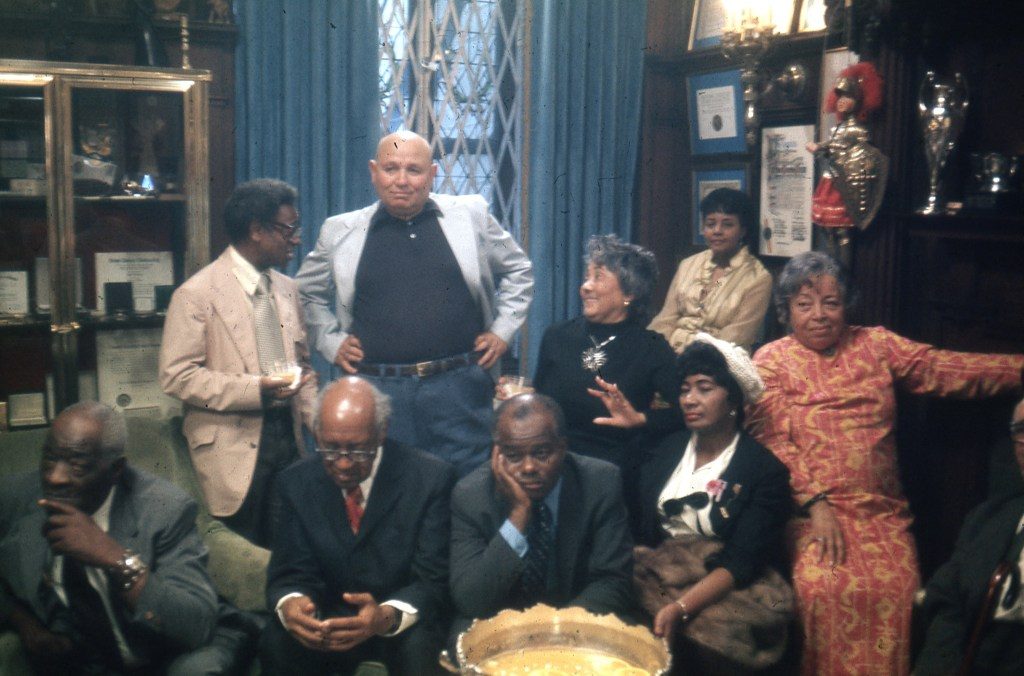
**Once Upon a Time in Harlem Wins $200,000 Library of Congress Documentary Prize**
The documentary *Once Upon a Time in Harlem*, directed by David Greaves, has captured the attention of the nation’s most prestigious nonfiction film award. The film earned the eighth annual Library of Congress Lavine/Ken Burns Prize for Film, bringing home a record‑setting $200,000 prize.
This recognition highlights the enduring legacy of the Harlem Renaissance and showcases how archival footage can bring history to life.
The award was presented by the Library of Congress in partnership with The Better Angels Society, Ken Burns, and the Crimson Lion/Lavine Family Foundation. It remains the richest prize in nonfiction film, with past winners including *Flannery*, *Hold Your Fire*, and *American Pachuco: The Legend Of Luis Valdez*.
The ceremony honoring the winner and runner‑up will take place in New York City on October 22, with Ken Burns in attendance.
---
## Background & Context
### The Roots of a Forgotten Gathering
*Once Upon a Time in Harlem* traces its roots back to footage shot by William Greaves, a pioneering documentary filmmaker who passed away before the film was completed.
In 1972, the original cameraman captured a spontaneous reunion at Duke Ellington’s townhouse—a gathering of surviving members of the Harlem Renaissance that had long since faded from public memory.
The camera rolled as artists and intellectuals—including Aaron Douglas, Romare Bearden, Arna Bontemps, Richard Bruce Nugent, James Van Der Zee, and Ida Mae Cullen—shared stories, arguments, and laughter that echoed the vibrancy of 1920s Harlem.
### David Greaves and the Restoration
Decades later, David Greaves—William’s son—recovered the fragile 16‑mm reels from a storage closet in New York’s East Village. Working alongside his granddaughter Liani Greaves, who produced the film, they painstakingly restored the footage while preserving its raw, unfiltered authenticity.
The restoration process involved color correction, audio enhancement, and meticulous frame-by-frame cleaning to bring the original images into the present. Their goal was to honor their father's vision while presenting a film that could resonate with contemporary audiences.
### Why This Story Matters
The film offers a rare glimpse into the complex legacies of these artists. It is not just a nostalgic look back; it is an examination of how culture survives across generations, how memory is negotiated, and how the narratives of marginalized communities are preserved.
The documentary serves as a bridge between the past and present, inviting viewers to see the Harlem Renaissance not as a distant historical footnote but as a living, breathing influence on today’s creative landscape.
---
## Fan Reaction
The response from fans and community leaders has been overwhelmingly positive. At the Camden International Film Festival, where the film premiered, audiences reported feeling a “deep sense of connection” to the artists—many of whom were only known through photographs or literature.
Social media buzz captured moments like a 73‑year‑old attendee saying, “I felt like I was part of that room again,” while a younger viewer posted, “This is the most emotional doc I’ve ever seen.”
The film has also sparked conversations on streaming platforms. Within two weeks of its limited release, it garnered over 200,000 views on an online documentary repository.
Comment sections were filled with viewers sharing their own family histories tied to the Harlem Renaissance, creating a ripple effect of shared storytelling that extends far beyond the screen.
---
## Industry Impact
### A Catalyst for Archival Projects
Winning the Lavine/Ken Burns Prize has positioned *Once Upon a Time in Harlem* as a benchmark for archival documentary work. Industry insiders are noting how the film’s success underscores the commercial viability of preserving and recontextualizing historical footage.
Several archivists have announced new grants aimed at digitizing forgotten reels from the 1940s and 1950s, inspired by Greaves’ meticulous restoration process.
### Influence on Funding Models
The prize money—$200,000—has also shifted perceptions about funding for nonfiction storytelling. The Library of Congress’s investment signals to private foundations and streaming services that high‑quality historical documentaries can command both critical acclaim and audience engagement.
As a result, several new documentary series are being greenlit with a focus on overlooked cultural movements, promising more diverse voices in the medium.
### A New Era for Ken Burns‑Style Documentaries
Ken Burns, known for his sweeping narrative style that blends archival footage with modern narration, praised the film’s “party‑like atmosphere” and its ability to bring history to life. His endorsement has sparked a renewed interest in documentaries that combine archival research with dynamic storytelling techniques.
Upcoming projects are exploring hybrid formats—mixing animation, live performance, and recovered footage—to create immersive experiences that resonate with younger viewers.
---
## What People Are Saying
Ken Burns said, “I was won over from the moment the camera started rolling. It’s literally the best party I have ever been to, a festive time travel through the memory of these extraordinary individuals.” Acting Librarian of Congress Robert R.
Newlen added, “It reintroduces us to a range of personalities and perspectives and invites us to participate. It embodies how compelling archival footage can be.”
Liani Greaves told reporters at the Camden International Film Festival that “we’re honored that they chose this film… and looking forward to having people see it.” David Greaves echoed her sentiment, noting the film “has over a thousand applications, so it’s wonderful that we were considered.” He also added that he imagined his father and stepmother would be delighted.
The runner‑up film, *Romare Bearden: A Life in Collage*, earned a $50,000 prize.
It tells Bearden’s story through his own words and archives, and the jury praised its ability to “capture the breadth of Bearden’s work… while illuminating his personal philosophy and artistic practice.” The jury included documentarians Yoruba Richen, Betsy West, and Peter Yost, along with scholars and museum leaders.
---
## What Happens Next
The winner and runner‑up will be honored at a ceremony in New York City on October 22, where Ken Burns will sit beside the Library of Congress representatives. The event will celebrate the films’ contributions to American cultural memory and underscore the importance of preserving documentary heritage.
Four 2026 finalists will receive $25,000 cash prizes each: *The Animated Mind of Oliver Sacks* by Dempsey Rice, *Barrio Television* by Christina DiPasquale, *The Day Freedom Died* by Joseph Dorman and Kelly Williams, and *Zenón and the Rebel Boats* by Juan C. Dávila Santiago.
These projects span animated histories, television activism, Reconstruction‑era violence, and environmental resistance in Puerto Rico.
In sum, *Once Upon a Time in Harlem* not only honors a pivotal era in American art but also reaffirms the Library of Congress’s commitment to supporting documentaries that illuminate our shared past.
The award and its accompanying ceremony underscore the enduring power of film to capture and preserve cultural memory for future generations.
Why It Matters
Our Take
GoNews Pulse Editorial Team
This article was prepared for publication by GoNews Pulse and checked for publication requirements under our editorial standards. We review available information and correct material errors when they are identified.
Quick Answers
- What is the latest update on this story?
- David Greaves’ film uncovers Harlem’s hidden legends, clinching a $200,000 win that’s reshaping documentary storytelling.
- Who is this story about?
- This article covers developments related to David Greaves' Harlem saga wins $200,000, shattering documentary norms. GoNews Pulse's editorial team monitors the story and updates the article as new verified information becomes available.
- Where can I read more about Harlem Renaissance film?
- GoNews Pulse publishes original reporting on Harlem Renaissance film and related entertainment news. Visit the homepage or browse the section dedicated to this story for the latest coverage.
Related topics
- #Harlem Renaissance film
- #Ken Burns endorsement
- #Archival film restoration
More From This Section

Jon Gosselin's 22‑Year‑Old Son Exposes Abuse, Father Shouts Support
Jon Gosselin declares that his son’s 22‑year‑old memoir exposes alleged institutionalization and a hidden ‘small holding’ cell, sparking a national debate.

Mike Colter's Valley Firm AGI Bo Revealed at 2:00 a.m. Shocks Fans
Rob McClure's portrayal of Bo forces the firm to confront a real‑world AGI asking for legal guardrails, sparking a tense ethical debate.

Meredith Grey's bed proposal to Nick on surgery table stuns fans
Meredith Grey slipped a ring into Nick's hand while he lay on the operating table, a move that stunned fans amid the bridge collapse.