
Olivia Dean's new hit faces lawsuit for borrowing Bill Withers' 1983 hook
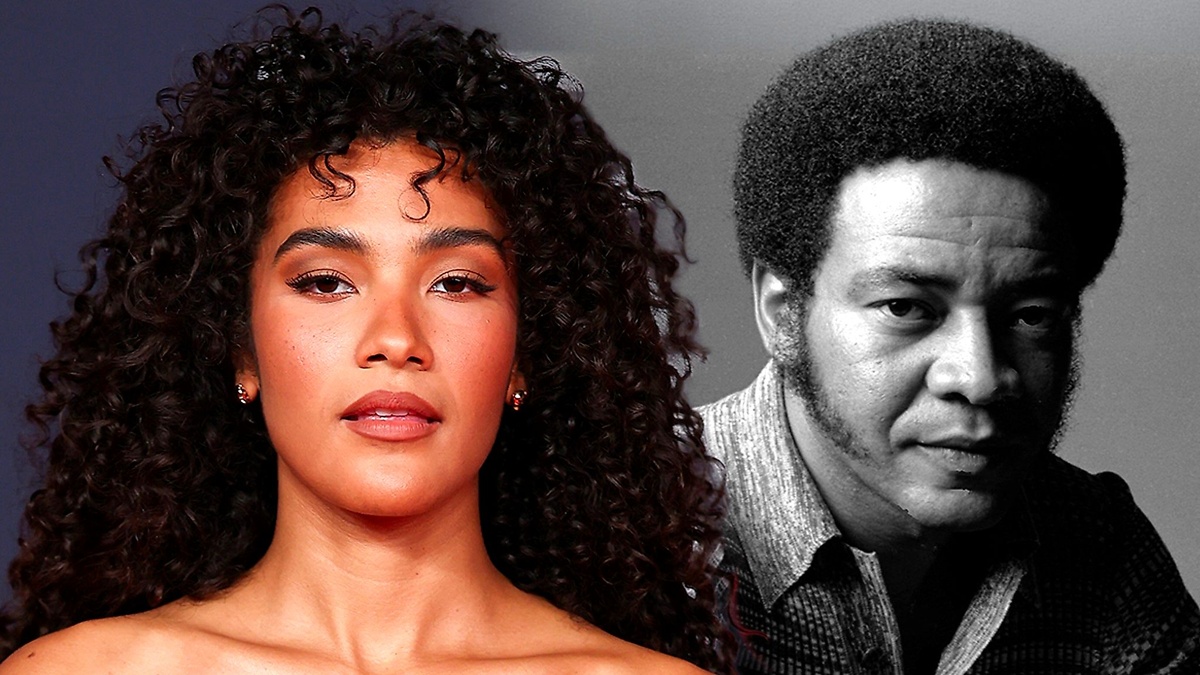
# **Olivia Dean Faces Lawsuit After Claim Her New Song Echoes Bill Withers' No. 2 Hit** When Olivia Dean’s latest single “I’ve Seen It” hit streaming platforms, the buzz was electric. Fans were already humming its catchy hook, and radio programmers began lining up to give the track a spin.
Yet within a week of the release, a headline that would ripple across the music industry erupted: a copyright claim that the track borrows too heavily from Bill Withers’ 1983 classic “Just the Two of Us.” The lawsuit could cost Dean, her collaborators, and the record labels a fortune and threaten her career trajectory.
The dispute centers on a legal filing that Mattie Music Group, the publisher that holds rights to Withers’ timeless hit, has brought against a conglomerate of major music companies.
The claim alleges that Dean’s new song contains “substantial similarities” in melody to “Just the Two of Us.” The plaintiff has even enlisted a musicologist to substantiate the argument.
Dean herself is not listed as a defendant, but the implications ripple through her record deal and the companies that promoted and distributed the track. For industry observers, the case is more than a singular infringement fight; it signals a growing trend of meticulous scrutiny over melodic borrowing.
As streaming and digital distribution lower entry barriers for new artists, the legal landscape tightens, forcing creators to tread carefully around established sonic landmarks. ## Background & Context Bill Withers’ “Just the Two of Us” is not just a nostalgic anthem; it was a commercial juggernaut that peaked at No. 2 on the Hot 100 and earned a Grammy for Best R&B Performance.
Its distinctive chord progression and melodic contour have since become a touchstone for countless soul and pop songs. That history gives Mattie Music Group a powerful argument: the song’s legacy and recognizable hooks are part of its protected intellectual property.
The new lawsuit was filed in a federal court, with Mattie Music Group asserting that Olivia Dean’s “I’ve Seen It” shares significant melodic material with Withers’ track. A key component of the claim is a musicologist’s report that highlights parallels in the main melodic line and the song’s harmonic structure.
While the report itself is confidential, public statements from Mattie emphasize that the similarities are not merely coincidental but constitute a direct borrowing.
The record labels at the center of the suit—Capitol Records, Universal Music Group, Sony Publishing, and Kobalt Music Publishing—were alerted to the potential infringement in August of the same year. they continued to distribute and license the song despite the warning, thereby perpetuating the alleged copying.
The claim is not just about artistic integrity; it is a financial one. Mattie seeks damages tied to the song’s earnings and an injunction that would halt further exploitation of the track.
For Dean, the stakes are high. While she is not officially named in the lawsuit, the legal action implicates her songwriting team and the labels that supported her.
Should the court find in favor of Mattie, it could set a precedent that impacts future releases from up-and-coming artists who might be tempted to lean on familiar melodies. ## What People Are Saying Industry insiders have weighed in on the potential ramifications of the lawsuit.
Executives at the implicated labels have expressed concerns over the legal gray area that often surrounds melodic similarity. “The line between inspiration and infringement is thin, especially in pop,” said a senior music licensing executive.
“We’re constantly monitoring that line to avoid costly disputes.” Artists who have faced similar accusations share a cautious perspective.
One songwriter commented that the experience was a sobering reminder of the importance of clear rights clearance, especially in an era where the boundaries of originality are constantly being tested by algorithmic playlist curation.
The claim also prompted a broader conversation among musicians about the ethical obligations to credit influences that are deeply embedded in popular culture. Fans of Olivia Dean have been quick to defend her, .
A group of followers organized a petition urging the labels to settle the dispute quietly, arguing that an extended legal battle could harm Dean’s burgeoning career and the momentum she has built with her latest single.
Conversely, supporters of Mattie Music Group have applauded the publisher’s willingness to protect the legacy of Bill Withers. A spokesperson for Mattie emphasized that the lawsuit is a protective measure for artists whose works have stood the test of time.
“We’re not here to stifle creativity,” the spokesperson noted.
“We’re here to ensure that established works are respected and that new artists learn the fine line between homage and appropriation.” The public debate has also drawn attention to the broader issue of “melodic plagiarism” in the music industry, prompting academics to examine the nuances of copyright law as it applies to melodies.
Some scholars point out that while the melody is a protected element, the overall context, rhythm, and arrangement can sometimes mitigate claims of infringement if the similarities are deemed not substantial. ## What Happens Next The lawsuit has set a timeline for the next few months.
The plaintiff’s attorneys have requested an initial hearing within the next 60 days, during which the court will consider the evidence presented by the musicologist and the labels’ defenses.
Both sides are expected to deposit copies of the disputed track, the original Withers song, and any related demos or drafts that could shed light on the songwriting process. If the case proceeds to trial, it could involve a panel of music experts who will testify about the melodic and harmonic similarities.
The outcome could hinge on the court’s interpretation of what constitutes “substantial similarity,” a standard that has been the crux of many high-profile copyright disputes in recent years.
Should the court side with Mattie, the labels could face substantial financial penalties and may be forced to remove or rework “I’ve Seen It” from streaming platforms. Olivia Dean’s management has yet to comment on the proceedings.
While the lawsuit does not directly name her, the pressure to respond is undeniable. A potential settlement might involve a licensing agreement that would allow Dean to continue distributing the song while acknowledging the original composer’s contribution.
Alternatively, the labels could opt to pull the track from circulation entirely, thereby minimizing the risk of further legal exposure. The outcome of this case may have ripple effects beyond the immediate parties involved.
A ruling in favor of the publisher could reinforce a stricter stance on melodic borrowing, encouraging artists and producers to exercise greater caution when crafting new material.
Conversely, a decision that favors the labels could be interpreted as a vindication of the creative process that often draws from established musical motifs. Regardless of the legal resolution, the case underscores the precarious balance between creative homage and legal infringement.
For an artist like Olivia Dean, who has just broken into the mainstream, navigating this landscape will be crucial for sustaining a long‑term career. In the days ahead, the industry will be watching closely.
Whether the lawsuit ends in a settlement or a courtroom verdict, it will undoubtedly influence how emerging artists approach songwriting, and how labels manage the complex web of rights and royalties in a highly competitive market.
The next chapter of this story will reveal whether a fresh hit can coexist with a legacy classic without stepping on each other’s toes.
At a Glance
- Olivia Dean’s single ‘I’ve Seen It’ is alleged to copy Bill Withers’ 1983 classic ‘Just the Two of Us’ in melody and harmony.
- Mattie Music Group, the publisher of Withers’ song, filed a federal suit citing a confidential musicologist report of substantial melodic similarity.
- Major labels—Capitol, Universal, Sony, and Kobalt—face potential injunctions and damages if the court sides with the publisher.
Why It Matters
Our Take
GoNews Pulse Editorial Team
This article was prepared for publication by GoNews Pulse and checked for publication requirements under our editorial standards. We review available information and correct material errors when they are identified.
Quick Answers
- What is the latest update on this story?
- Federal court hears claims Dean’s new track borrows melodies from Withers’ No. 2 hit, sparking a lawsuit that could dent streaming royalties.
- Who is this story about?
- This article covers developments related to Olivia Dean's new hit faces lawsuit for borrowing Bill Withers' 1983 hook. GoNews Pulse's editorial team monitors the story and updates the article as new verified information becomes available.
- Where can I read more about celebrity news?
- GoNews Pulse publishes original reporting on celebrity news and related entertainment news. Visit the homepage or browse the section dedicated to this story for the latest coverage.
More From This Section

Jeff Goldblum's lizard‑music voice role stuns fans with quirky adventure
The film’s 10 CGI lizards play a 3‑minute symphony that Jeff Goldblum calls 'surreal', sparking buzz before the trailer drops.

Tom Cruise's $245M 'Digger' flop shatters studio record
With just $8 million opening domestically and a 60% drop in its second week, 'Digger' hauls in a record $245 million loss that Hollywood hasn't seen.
Bryan Seaver’s $251,000 debt claim threatens Dollywood order
Seaver claims the $251,000 owed for Dollywood security services has cleared, but the park argues payments were incomplete, sparking a restraining order fight.