
Nnedinma Obiwuru's $7,000 Parisian Makeover Turns Renters' Lives
**Can You Really Make an Apartment Feel Like a Parisian Hotel?** A 29‑year‑old Austin content creator proves that with the right mindset—and a $7,000 budget—you can turn a lease into a luxury retreat without ever touching the walls. --- ### From “Just a Space” to “Home” in a Rental Renting is a rite of passage for most Americans, but for many, the default answer is “just a place to sleep.” In a city where median rent now tops $1,500 a month, the pressure to make a temporary space feel permanent can be overwhelming.
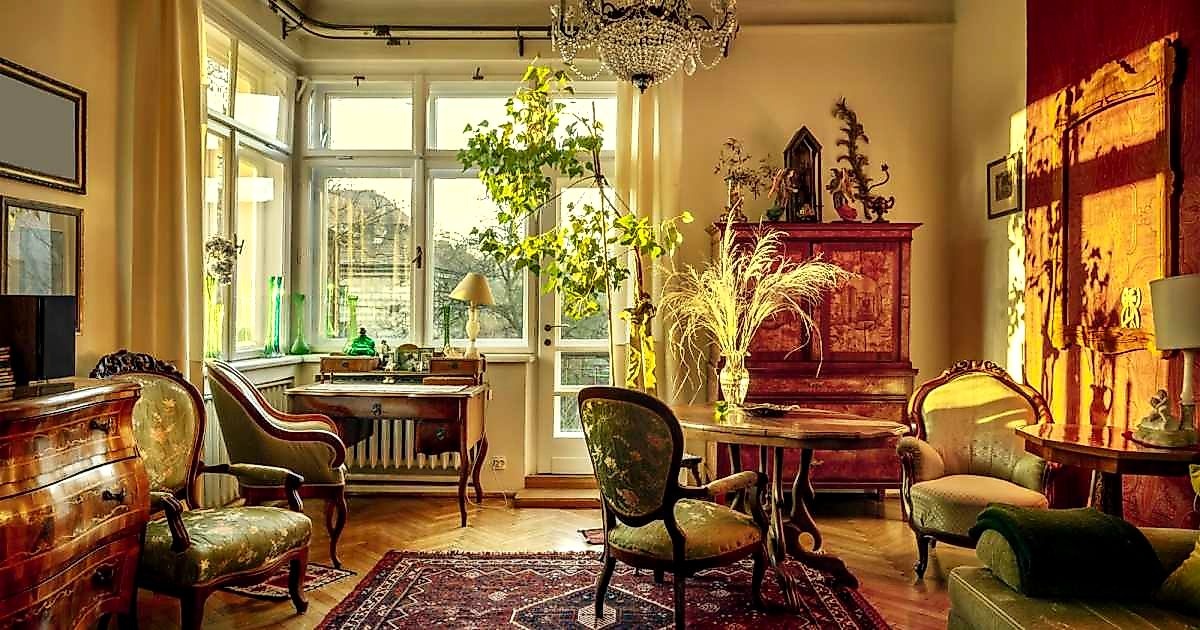
Nnedinma Obiwuru, a social‑media personality who thrives on creative challenges, decided to give her two‑bedroom Austin apartment a Parisian makeover, turning a bare lease into a boutique hotel feel, all while keeping the changes reversible. Obiwuru’s project was not a quick Instagram stunt.
Over several years, she poured roughly $7,000 into furniture, DIY builds, and carefully curated décor. The end result: a living room anchored by a $1,000 brown leather sofa, a restaurant‑style banquette that cost $700 to build, and a collapsible bar that only cost about $80 to assemble from plywood and hinges.
The rest? Thrifted art, vintage frames, and hand‑picked glassware that together created a layered, intimate aesthetic.
What sets her renovation apart is its renter‑friendly ethos. None of the upgrades are permanent: no paint chips, no wall anchors, no built‑in fixtures.
Every piece can be disassembled and moved at the end of the lease, a critical feature for anyone who can’t yet afford a down payment. --- ### The Rent‑and‑Thrift Trend The story taps into a broader national trend.
A 2025 Federal Reserve analysis revealed that 68 percent of renters cannot afford a down payment, 49 percent can’t keep up with mortgage payments, and 42 percent do not even qualify for one.
Only 39 percent say they prefer renting, suggesting that for most, living in a rental is a temporary solution—often a strategic one. Obiwuru’s approach reflects that mindset.
“Owning a house in Austin feels like a 10‑year dream,” she told a local media outlet.
“Renting is where I’m at, and many of my friends are in the same situation.” By investing in furniture that is both luxurious and portable, she transforms an otherwise impersonal space into a home that reflects her personality—and that she can take with her when the lease ends.
Her strategy resonates with a growing number of renters who are turning their apartments into “mobile homes.” The rise of platforms that allow people to swap or rent furniture, the proliferation of modular design, and the increasing awareness of sustainability all feed into this movement.
The idea that you can have high‑end interiors without buying a house is gaining traction, especially among millennials and Gen Z who prioritize experience over ownership. --- ### A Historical Parallel: The “Apartment as Hotel” Concept Obiwuru’s makeover is part of a long lineage of renters turning their spaces into boutique experiences.
The “apartment as hotel” concept gained popularity in the 1970s and 80s when urban dwellers sought to emulate hotel aesthetics in their homes.
Iconic shows like “The Apartment” and “House Hunters” popularized the idea of designing every room with a distinct “room character.” Today’s iteration, however, incorporates sustainable and modular elements, reflecting modern sensibilities.
In the 1990s, a similar trend emerged in New York’s West Village: tenants would repurpose vintage chandeliers, antique desks, and reclaimed wood to give apartments an “old‑world charm.” What ties these movements together is the desire to craft a personalized environment in the absence of ownership.
Obiwuru’s Parisian‑inspired vision is a contemporary take on that legacy, updated for a digital age where aesthetic is often shared online for feedback. --- ### Instagram‑Driven Inspiration On a recent Tuesday, Obiwuru posted a carousel showing the before‑and‑after of her living room.
The first image revealed a plain, beige apartment, the second a photo of her brown leather sofa, the third the banquette with a hand‑stitched linen cushion, and the last a shot of the bar table with a vintage crystal vase perched on top.
The caption read, “Turning our lease into a luxury hotel feel without breaking the bank—or the walls.” The response was instant. Her followers, numbering over 150,000, flooded the comments with praise: “You look amazing!
This is exactly the kind of design inspiration we need.” The post also sparked a trend. Many of her viewers started a “#RentersLuxury” challenge, posting before‑and‑after photos of their own rentals.
One user shared a photo of a wall painted with a removable wallpaper that resembled a Parisian street, crediting Obiwuru for the idea. Another posted a DIY bar that she had built herself in under $100.
The social media buzz illustrates how influential content creators are in shaping interior design trends. By sharing the process—showing how she sourced frames from Goodwill, how she cut plywood for the bar—Obiwuru gave her audience a blueprint they could adapt to their own circumstances.
In doing so, she turned a personal project into a community movement. --- ### The Craft of Renter‑Friendly Design Behind the glossy Instagram feed lies a rigorous design philosophy. Obiwuru’s entire apartment was conceived around three core principles: 1. **Mobility** – Everything can be taken apart and moved.
The banquette was built on a simple frame of hardwood and screws, the bar on a fold‑away tabletop, the sofa on wheels that can be detached. 2. **Reversibility** – No permanent modifications.
She uses removable wall decals instead of paint, freestanding shelves instead of built‑ins, and magnetic hooks for décor. 3. **Investment Hierarchy** – She spends the most on items that are used daily (sofa, bed, desk chair) and the least on accent pieces (frames, glassware).
The banquette, for instance, was a $700 project that would have cost over $4,000 if purchased pre‑made. She used reclaimed oak for the frame, foam for the cushion, and a linen fabric that matched the rest of the room.
The bar was an even simpler endeavor: a piece of 3/4‑inch plywood, a 2‑in‑1 hinge for the fold‑away mechanism, and a decorative glass jar.
It looks like a piece from a chic Parisian cafe, but you could haul it down the stairs with a single person. --- ### Cultural Significance: A Statement of Identity Obiwuru’s project is more than a design exercise; it is an act of cultural expression.
In a city that has become known for its fast‑paced lifestyle and soaring rents, her choice to emulate Parisian elegance says something about the intersection of aspirational lifestyle and economic reality.
The décor she curated—vintage frames, a glassware set that includes a crystal flute and a silver‑lit decanter—creates a layered narrative that feels like a “travelogue” of her dreams. For many renters, this narrative is a way to forge a sense of belonging.
They want their home to be more than just a shelter; they want it to reflect their tastes, travels, and personalities.
Obiwuru’s work demonstrates that even with a budget, you can make a statement that feels both cosmopolitan and intimately yours. --- ### Professional Ripple Effects Beyond the Instagram likes, Obiwuru’s makeover has spurred tangible industry shifts. Interior designers are taking note of her “renter‑friendly” approach.
A local design firm in Austin has begun offering a new line of modular furniture specifically targeted at renters, using lightweight frames and detachable fasteners. Retailers such as Target and IKEA have announced pop‑up events featuring “budget‑friendly, movable” furniture.
The trend also encourages thrift stores to curate design‑inspired sections, capitalizing on the demand for high‑quality vintage finds. Goodwill, in particular, has seen a surge in “design challenge” campaigns where customers can win a stipend for redecorating their rentals with thrifty finds.
This ecosystem creates a virtuous cycle: renters find inspiration, designers adapt to renter needs, and retailers offer products that enable the process. --- ### Personal Life and the Power of Storytelling Nnedinma Obiwuru is not just a designer; she is a storyteller who uses her platform to empower others.
Prior to her apartment project, she ran a YouTube channel where she shared budget travel vlogs and DIY craft tutorials. Her background in digital media has honed her ability to break complex tasks into digestible steps—skills that translated seamlessly into her home renovation.
Her fiancé, a software engineer, contributed the technical know‑how for building the banquette. “He’s a master of carpentry,” Obiwuru shared.
“We spent evenings in our garage turning a piece of wood into a dining table.” This partnership illustrates how collaboration can amplify creative outcomes—something that resonates with her audience who often comment on the “DIY duo” aspect of her videos. --- ### Looking Ahead: What’s Next for Obiwuru and Her Renters?
Obiwuru remains committed to evolving her space as her taste changes. In a recent video, she showcased a fresh accent wall she swapped out of an old wallpaper for a paint color inspired by a Parisian street.
She emphasized the importance of “fluidity”—design that adapts without a full renovation. Her followers echo this sentiment; many have begun to experiment with removable wall art and modular furniture in their own homes.
She also hinted at future projects: exploring modular shelving units that can be reconfigured to fit different room layouts and investing in ergonomic tech accessories to support her content creation workflow.
By staying true to the principles of mobility, reversibility, and investment hierarchy, she plans to keep the apartment feeling “home” no matter where she moves next. --- ### A Broader Takeaway for Renters Obiwuru’s story proves that a renter can make an apartment feel like a Parisian hotel—and that the journey is more important than the end product.
Her approach offers a template for anyone looking to personalize a temporary space: 1. **Define a vision**—Pick a theme or reference point to guide choices. 2. **Prioritize mobility**—Choose pieces that can be moved or disassembled. 3. **Invest strategically**—Spend on high‑use items; thrift the rest. 4. **Embrace DIY**—Small projects can save thousands. 5. **Iterate**—Let your space evolve with your life.
The result is a home that feels uniquely yours, even if the lease is temporary.
In an era where owning a house feels like a distant dream for many, creativity and smart spending can bridge the gap between “just a rental” and “my home.” Nnedinma Obiwuru’s two‑bedroom in Austin may be a temporary lease, but the experience she offers—of luxury, personality, and mobility—is something that can stay with her, and her followers, forever.
At a Glance
- Austin creator Nnedinma Obiwuru spent $7,000 on furniture, DIY builds and thrifted decor to transform a two‑bedroom lease into a Parisian‑inspired boutique hotel feel.
- All upgrades are reversible—no paint, no wall anchors, no permanent fixtures—making the project ideal for renters who need to preserve security deposits.
- The Instagram challenge "#RentersLuxury" sparked a wave of DIY, modular, and thrift‑centric design across the renter community, influencing retailers and designers alike.
Why It Matters
Our Take
GoNews Pulse Editorial Team
This article was prepared for publication by GoNews Pulse and checked for publication requirements under our editorial standards. We review available information and correct material errors when they are identified.
Quick Answers
- What is the latest update on this story?
- Her followers swarmed her Instagram after she posted a bar built from plywood costing only $80, proving high‑end style can be rent‑friendly.
- Who is this story about?
- This article covers developments related to Nnedinma Obiwuru's $7,000 Parisian Makeover Turns Renters' Lives. GoNews Pulse's editorial team monitors the story and updates the article as new verified information becomes available.
- Where can I read more about celebrity news?
- GoNews Pulse publishes original reporting on celebrity news and related entertainment news. Visit the homepage or browse the section dedicated to this story for the latest coverage.
More From This Section

Jon Gosselin's 22‑Year‑Old Son Exposes Abuse, Father Shouts Support
Jon Gosselin declares that his son’s 22‑year‑old memoir exposes alleged institutionalization and a hidden ‘small holding’ cell, sparking a national debate.

Mike Colter's Valley Firm AGI Bo Revealed at 2:00 a.m. Shocks Fans
Rob McClure's portrayal of Bo forces the firm to confront a real‑world AGI asking for legal guardrails, sparking a tense ethical debate.

Meredith Grey's bed proposal to Nick on surgery table stuns fans
Meredith Grey slipped a ring into Nick's hand while he lay on the operating table, a move that stunned fans amid the bridge collapse.