
Accused killer Nick Reiner fights to control $1.5M trust—can he win?
## Background & Context
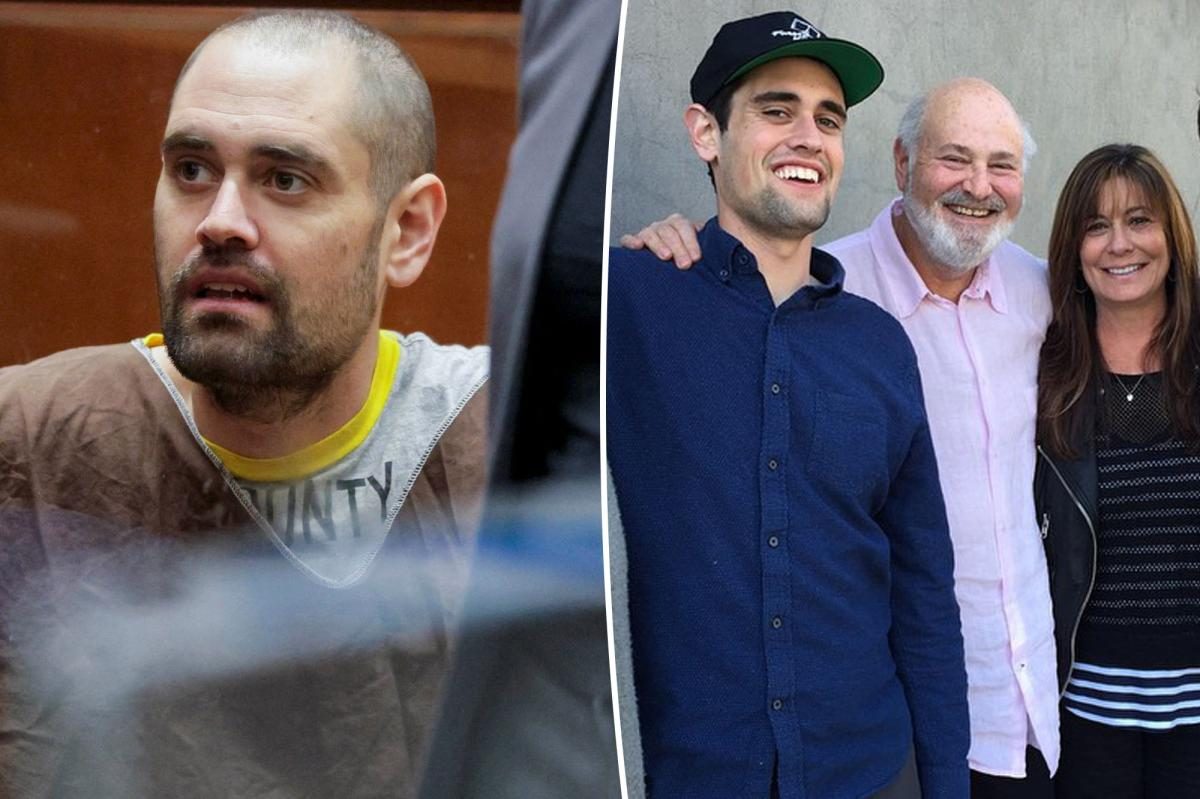
Nick Reiner, 32, is currently held at Los Angeles’ Twin Towers Correctional Facility after being arrested in December 2025 for allegedly stabbing his parents, filmmaker Rob Reiner and photographer‑producer Michelle Singer Reiner. , the parents left a trust valued at more than $1.5 million for Nick.
The trust was supposed to provide a distribution of $558 000 to him when he turned 30 in 2023, plus accrued interest and income.
Since his arrest, Reiner has paid $200 000 in legal bills tied to the trust dispute. He also receives $300 a month from the trust to buy items at the prison commissary.
His high‑profile criminal defense attorney, Alan Jackson, withdrew representation in January after funding from the trust or other family trusts failed to materialize, but later indicated he might represent Nick again if funds become available.
## What Happened
On Monday, a probate hearing moved to October 23 was held to decide whether Reiner should gain full control over the trust. The judge asked for more time to review arguments and postponed the decision.
“Nick Reiner is very much entitled to his own money, his own funds, and that’s what this process is about,” Jackson told reporters outside the courthouse after the hearing.
Reiner was absent from the hearing, but a new declaration he filed challenges the trustee’s claim that he agreed to leave money in the trust when he turned 30. He says he never authorized his mother to consent on his behalf and does not remember signing any agreement.
The trustee, Paul Kanin, argues that Reiner’s alleged consent prevents him from claiming interest and income accrued since then.
## Analysis
The dispute centers on a trust that existed while Reiner’s parents were alive, not on an inheritance that would normally trigger California’s slayer statute. His attorneys maintain that the trust was created for his benefit and that he became entitled to distribution two years before their deaths.
Reiner seeks the money to fund his defense in the murder case and to pay for basic necessities while incarcerated. The criminal indictment, unsealed August 12, adds a special circumstance that he killed his parents by “lying in wait.” He faces life in prison without parole or the death penalty if convicted.
The case also raises concerns about Reiner’s mental health. Sources have reported that he is diagnosed with schizophrenia and has been “rapidly deteriorating” while behind bars. His aunt, Annie Reiner, has publicly expressed continued support, saying she remains “in his corner” throughout the proceedings.
The probate hearing comes just weeks before a pretrial hearing scheduled for September 15. The outcome could have significant implications for Reiner’s ability to pay for counsel and basic expenses in the months ahead.
It also illustrates how civil and criminal matters can become intertwined when a defendant seeks access to family assets while awaiting trial.
## What People Are Saying
Reiner’s former attorney, Alan Jackson, said he is “very much entitled to his own money” and that the trust dispute is “about that.” Jackson noted that his withdrawal was due to circumstances beyond their control and that he remains open to representing Reiner if funding becomes available.
No statement has been made by Reiner himself; he has not publicly commented on the court proceedings or his legal strategy.
A source told a reporter that Annie Reiner has continued to stand behind her nephew throughout the legal proceedings.
The insider said, “Despite the circumstances surrounding the case, she has remained in his corner and her presence has meant a great deal to him.” No official reaction has been released from Reiner’s current defense team, which includes Los Angeles County Deputy Public Defender Kimberly Greene.
## What Happens Next
The judge has postponed the probate decision until October 23, giving both sides time to submit additional arguments. The court will determine whether Reiner can access the trust’s principal and accrued income, which could significantly affect his ability to pay for legal representation and basic needs in prison.
Separately, Reiner’s criminal case is set for a pretrial hearing on September 15. If the trial proceeds, the outcome of the trust dispute may influence his defense strategy and the resources available to him.
The situation also keeps the California slayer statute in focus. If the court determines that the trust was established while Reiner’s parents were alive and that he was entitled to a distribution before their deaths, it could sidestep the statutory restrictions on beneficiaries who commit homicide.
The legal teams on both sides have argued this point in their filings.
In the meantime, Reiner remains incarcerated at Twin Towers Correctional Facility, where reports of his deteriorating mental health persist. The upcoming hearings will be closely watched by his family, legal advocates, and those interested in the intersection of criminal proceedings and estate law.
---
The case underscores how a family’s financial arrangements can become a battleground during a criminal trial, and how the outcomes may shape both the defendant’s immediate circumstances and broader legal interpretations.
Why It Matters
Our Take
GoNews Pulse Editorial Team
This article was prepared for publication by GoNews Pulse and checked for publication requirements under our editorial standards. We review available information and correct material errors when they are identified.
Quick Answers
- What is the latest update on this story?
- He fights for $1.5M trust while the court probes his alleged killings—will the judge side with the killer?
- Who is this story about?
- This article covers developments related to Accused killer Nick Reiner fights to control $1.5M trust—can he win?. GoNews Pulse's editorial team monitors the story and updates the article as new verified information becomes available.
- Where can I read more about Nick Reiner?
- GoNews Pulse publishes original reporting on Nick Reiner and related entertainment news. Visit the homepage or browse the section dedicated to this story for the latest coverage.
Related topics
- #Nick Reiner
- #Rob Reiner
- #California slayer statute
More From This Section

Jon Gosselin's 22‑Year‑Old Son Exposes Abuse, Father Shouts Support
Jon Gosselin declares that his son’s 22‑year‑old memoir exposes alleged institutionalization and a hidden ‘small holding’ cell, sparking a national debate.

Mike Colter's Valley Firm AGI Bo Revealed at 2:00 a.m. Shocks Fans
Rob McClure's portrayal of Bo forces the firm to confront a real‑world AGI asking for legal guardrails, sparking a tense ethical debate.

Meredith Grey's bed proposal to Nick on surgery table stuns fans
Meredith Grey slipped a ring into Nick's hand while he lay on the operating table, a move that stunned fans amid the bridge collapse.