
Nick Reiner Trapped in Jail, Locked Out of $1.5M Trust
---
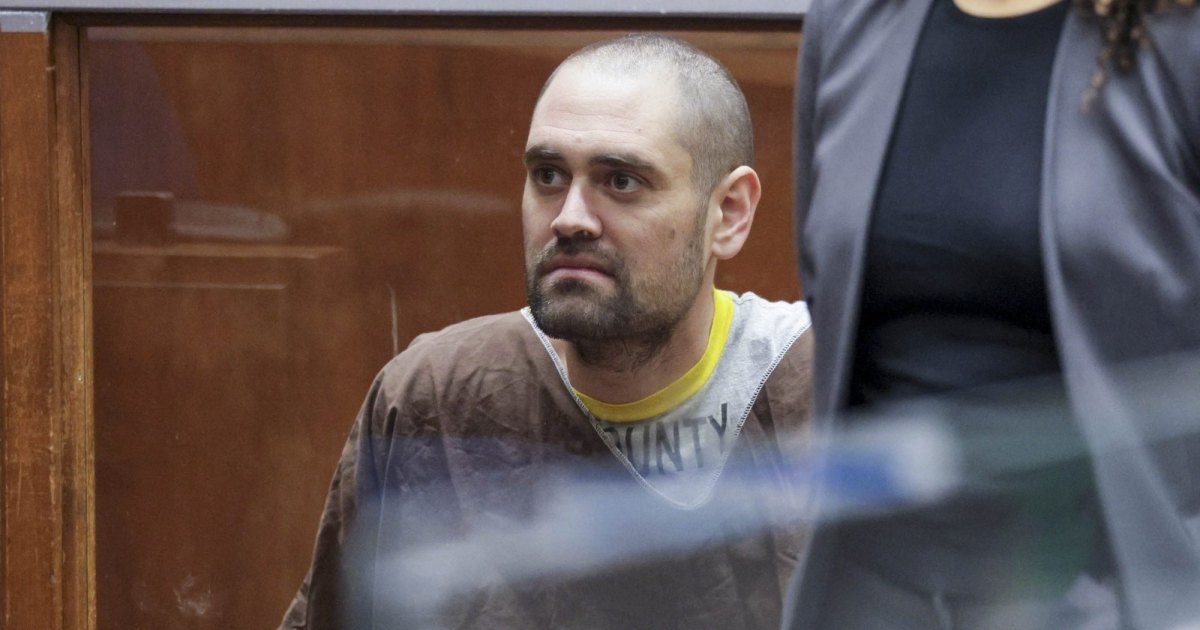
Nick Reiner, 32, was denied the opportunity to tap into a $1.5 million trust fund his parents, Rob and Michele Reiner, had set up for him. The denial comes after his indictment on first‑degree murder charges for the deaths of both parents on December 14, 2025.
The legal dispute hinges on California’s “Slayer Statute,” which bars a person who kills a decedent from receiving that decedent’s assets.
Reiner first requested a distribution from the trust in June, asserting he should have received half of the total amount when he turned 30 in September 2023. He has since sought immediate release of his share plus accrued interest to cover legal fees and jail commissary while awaiting trial at Twin Towers Correctional Facility.
The trustees, Paul Kanin and Jodi Pais Montgomery, have filed new paperwork with a California Superior Court to block the payout, .
---
## Background & Context
The trust was established by Rob and Michele Reiner when Nick was born in 1993. Its terms granted him a half‑share of the $1.5 million total, payable upon reaching 30 years of age. By September 2023, Reiner became eligible for the distribution, but the trustees had not disbursed the funds.
In early August, the trustees’ lawyers filed motion documents seeking to prevent any payment until the court determines whether the Slayer Statute applies in this case.
California’s Slayer Statute states that “a person who feloniously and intentionally kills the decedent is not entitled” to any financial assets or property from those they killed.
The statute applies even if the defendant is presumed innocent pending trial, as the law focuses on the act of killing rather than the outcome of criminal proceedings. Therefore, Reiner’s claim to the trust is legally complicated by his status as an alleged perpetrator of his parents’ murders.
The legal filings also note that Reiner’s basic needs—housing, food, medical care—are being met by the state while he is incarcerated.
His representation in the underlying criminal case is provided by the Los Angeles County Public Defender’s Office, and his attorneys argue that the trust cannot be used to fund private counsel chosen by him.
If the court upholds the trustees’ motion, Nick will have no access to the trust until a final determination on the Slayer Statute is made.
---
## What People Are Saying
In their motion, Montgomery’s lawyers emphasized that “Nick’s urgency is real, but it did not arise in a vacuum.” They argued that his request stems from the deaths of the very settlors of the trust and that he is presently accused of causing those deaths.
The lawyers also noted that “while Nick is presumed innocent of that accusation (and nothing in this Response and Objection should be read to suggest otherwise), no one, not this Court, nor the parties, knows how the criminal proceedings against Nick will ultimately resolve.” They further stated that “no distribution [of money] should be made until the Court resolves whether” the Slayer Statute applies in this instance.
Reiner’s attorney, Anita P. Wu, told The New York Times that “The ‘Slayer Statute’ requires a determination, not a mere accusation. Nick is presumed innocent and has been convicted of nothing.” In his own declaration to the court, Reiner denied giving the trustee permission to withhold his age‑30 distribution indefinitely.
He wrote that he had not signed any document giving such consent and that he had always desired the money to be released with interest.
The Los Angeles County District Attorney, Nathan J.
Hochman, commented on the indictment by saying, “This was a profound betrayal by someone who was loved and trusted by the very people he is accused of killing.” He added that the indictment includes special circumstance allegations of multiple murders and murder by means of lying in wait.
The DA’s statement underscores the seriousness of the charges and the court’s expectation that a trial will follow.
A spokesperson for the trust declined to comment when contacted by our reporters, leaving the trustees’ stance limited to the filings already submitted to the court.
---
## What Happens Next
If the court denies Reiner access to his share of the trust, his siblings—Romy and Jake Reiner—would become contingent remainder beneficiaries. This means they would be entitled to receive the funds only if Reiner ultimately proves he is not subject to the Slayer Statute.
The trustees maintain that any distribution would be irreversible, and therefore they are withholding payment until a legal decision resolves the applicability of the statute.
Reiner’s latest filing with the California Superior Court requests immediate release of half of the $1.5 million plus interest to pay legal fees and add money to his jail commissary. The motion also includes a declaration that he has never consented to withholding his age‑30 distribution.
The court will need to consider whether Reiner’s incarceration and the state’s provision of basic needs affect his entitlement under the trust’s terms.
The criminal case proceeds with a scheduled trial date that has not yet been set. In the meantime, Reiner remains in custody at Twin Towers Correctional Facility while awaiting the outcome of the indictment unsealed on August 12.
The court will likely rule on the trustee motion before or concurrently with the scheduling of the trial, as it directly impacts Reiner’s financial resources and legal strategy.
---
The dispute over Nick Reiner’s trust fund underscores how California’s Slayer Statute can intersect with estate planning when a beneficiary is accused of killing the settlors. The court’s decision will clarify whether a presumptive innocence during criminal proceedings is enough to override the statute’s prohibition on asset transfer.
As the case moves forward, the outcome will have lasting implications for both Reiner and his siblings’ potential claims to the trust.
Why It Matters
Our Take
GoNews Pulse Editorial Team
This article was prepared for publication by GoNews Pulse and checked for publication requirements under our editorial standards. We review available information and correct material errors when they are identified.
Quick Answers
- What is the latest update on this story?
- While awaiting his murder trial, Reiner is denied access to a $1.5 million trust he was slated to inherit at 30.
- Who is this story about?
- This article covers developments related to Nick Reiner Trapped in Jail, Locked Out of $1.5M Trust. GoNews Pulse's editorial team monitors the story and updates the article as new verified information becomes available.
- Where can I read more about Nick Reiner?
- GoNews Pulse publishes original reporting on Nick Reiner and related entertainment news. Visit the homepage or browse the section dedicated to this story for the latest coverage.
Related topics
- #Nick Reiner
- #Slayer Statute
- #Twin Towers Correctional
More From This Section

Jon Gosselin's 22‑Year‑Old Son Exposes Abuse, Father Shouts Support
Jon Gosselin declares that his son’s 22‑year‑old memoir exposes alleged institutionalization and a hidden ‘small holding’ cell, sparking a national debate.

Mike Colter's Valley Firm AGI Bo Revealed at 2:00 a.m. Shocks Fans
Rob McClure's portrayal of Bo forces the firm to confront a real‑world AGI asking for legal guardrails, sparking a tense ethical debate.

Meredith Grey's bed proposal to Nick on surgery table stuns fans
Meredith Grey slipped a ring into Nick's hand while he lay on the operating table, a move that stunned fans amid the bridge collapse.