
Neutrogena’s Shocking Apology to Hayden Panettiere After 2015 Fallout
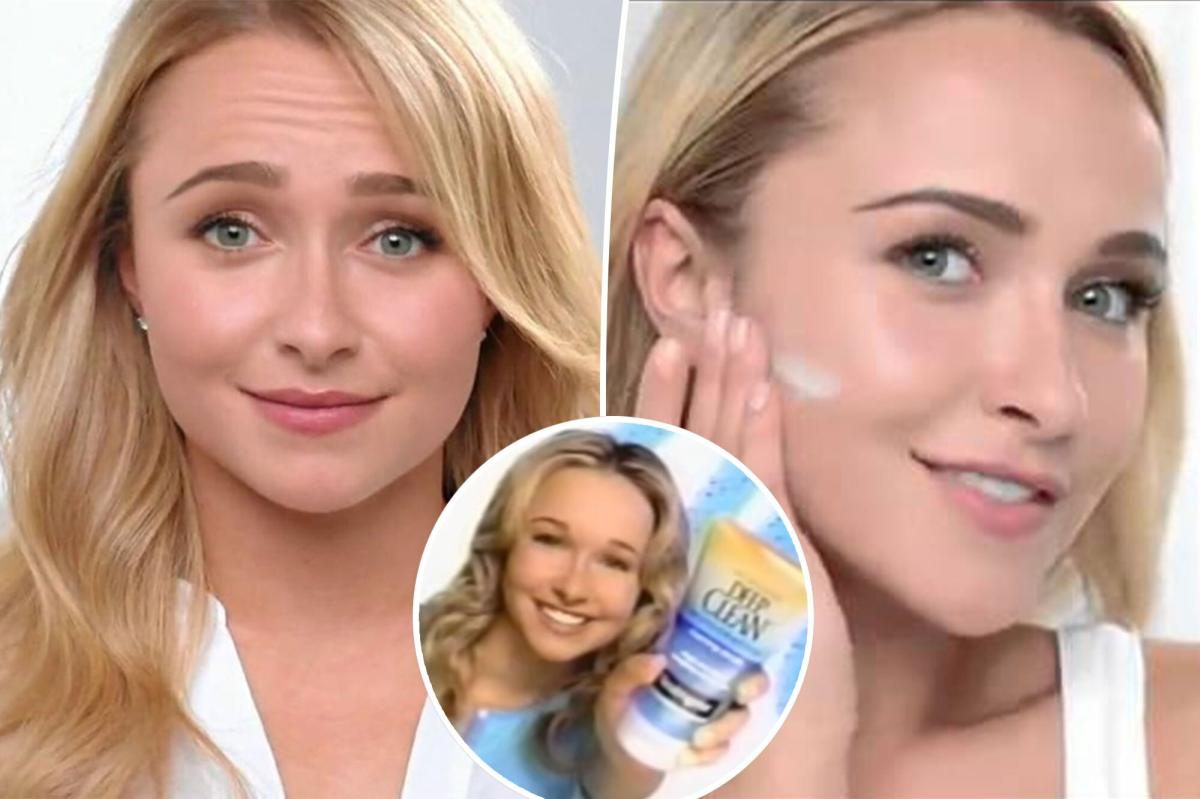
Neutrogena’s Instagram post on Thursday marked the brand’s first public acknowledgment of its decision to drop actress Hayden Panettiere from its ambassador lineup in 2015.
The statement said the company “understand[ed] that we made her feel unsupported during a very difficult time.” It followed the actor’s death on Sunday, which the beauty giant called “deeply saddened.”
Panettiere had been the face of Neutrogena for a decade, starting as a 16‑year‑old in 2005 and appearing in global campaigns through the early 2010s. Her contract ended shortly after she spoke publicly about postpartum depression (PPD) on the “Live! with Kelly and Michael” show in September 2015.
Fans immediately called for a boycott of Neutrogena’s products, with one supporter writing, “I will never buy one of their products again in my life.”
The apology, issued days after the actress’s fatal overdose, signals a shift in the brand’s stance on mental‑health advocacy. Below we look at how the situation unfolded, the company’s response, and what it means for the broader conversation around wellness and consumer trust.
## Background & Context
Hayden Panettiere signed with Neutrogena in 2005 as a spokesperson when she was about 16. Over the next decade, she appeared in major worldwide ad campaigns for the company, becoming a recognizable face across multiple markets.
The relationship lasted until 2015, when it ended in the months following her public discussion of postpartum depression on television.
In early September 2015, Panettiere gave birth to her daughter Kaya with ex‑boxer Wladimir Klitschko. She described a prolonged labor that took 14 hours and a three‑hour surgery.
“When I woke up in the recovery room, I was exhausted, disoriented, and racked with pain,” she wrote in her memoir “This Is Me: A Reckoning.” In the same book, she recounted how postpartum depression left her feeling “not herself” and that it caused her to lose a role on the television series “Nashville,” calling the loss “killed me because I’d always prided myself on my professionalism.”
Panettiere’s memoir also alleges that Neutrogena canceled her long‑standing contract over a morality clause. She said the brand chose not to renew her partnership after she spoke publicly about her mental‑health struggles.
“When I got that call that Neutrogena wanted to fire me over that, my representative at the time said, ‘That’s illegal. You can’t do that,’” she recalled. The company simply let the contract lapse when it came up for renewal.
The actress’s death on Sunday was ruled an apparent overdose. She was 36 years old. The timing of her passing and the brand’s delayed apology intensified calls from fans and activists to hold Neutrogena accountable for its handling of a public figure battling postpartum depression.
## What Happened
In a statement posted to its official Instagram page, Neutrogena said it “understand[ed] that we made her feel unsupported during a very difficult time.” The company added that the action “is not what Neutrogena stands for or who we want to be.” It described itself as “deeply saddened” by the actress’s death.
The statement continued, “For more than a decade,
Hayden was a valued member of our Neutrogena community,” and that the brand was “proud to have partnered with her.” It acknowledged that “Hayden’s courage in sharing her challenges helped inspire important conversations and awareness.” The company announced a significant investment in a long‑standing community health partner to expand access to support for postpartum depression and said it would “share more details with this community when plans are in place.”
Neutrogena concluded the post by saying, “Out of respect for Hayden’s family and loved ones, we did not want to speak out so soon following her passing.” It ended with a note that “Everyone at Neutrogena extends their deepest condolences to Hayden’s family and all who loved her.”
These comments come after months of social media pressure.
Fans demanded a national boycott, with one user writing, “I will never buy one of their products again in my life.” The backlash was amplified by a 2023 post on Neutrogena’s Threads account that read, “Friends don’t let friends go to bed without removing their makeup 🫶.” After the actress’s death, the post drew criticism from users who noted the brand had “done Hayden dirty,” adding that it “did not age well.”
The apology represents a first public acknowledgment of the company’s role in a situation that has fueled broader discussions about mental‑health support for women and corporate responsibility.
## What Happens Next
Neutrogena has pledged to invest in community health partnerships focused on postpartum depression. The brand said it would provide more details as those plans develop, suggesting an upcoming rollout of resources or programs aimed at supporting women in crisis.
The company’s public apology also signals a shift toward acknowledging past shortcomings and aligning its messaging with its stated values.
Fans and activists continue to monitor Neutrogena’s actions closely. The call for a boycott remains active on social media platforms, with users . Some supporters view the apology as a positive step, while others see it as insufficient given the circumstances that led to the actress’s death.
In the broader context, this case may influence how other brands handle public figures who disclose mental‑health challenges. The industry could see increased scrutiny of contractual clauses and corporate policies that intersect with personal well‑being.
Meanwhile, Panettiere’s memoir and public statements remain a reference point for discussions about postpartum depression and workplace support.
Neutrogena’s apology, though delayed, marks the first time the company has formally addressed its decision to end a decade‑long partnership with Hayden Panettiere. Whether it will translate into lasting change for consumers and mental‑health advocacy remains to be seen.
Why It Matters
Our Take
GoNews Pulse Editorial Team
This article was prepared for publication by GoNews Pulse and checked for publication requirements under our editorial standards. We review available information and correct material errors when they are identified.
Quick Answers
- What is the latest update on this story?
- Neutrogena finally apologizes, revealing why the brand cut ties with Hayden Panettiere after her postpartum struggles in 2015.
- Who is this story about?
- This article covers developments related to Neutrogena’s Shocking Apology to Hayden Panettiere After 2015 Fallout. GoNews Pulse's editorial team monitors the story and updates the article as new verified information becomes available.
- Where can I read more about Hayden Panettiere?
- GoNews Pulse publishes original reporting on Hayden Panettiere and related entertainment news. Visit the homepage or browse the section dedicated to this story for the latest coverage.
Related topics
- #Hayden Panettiere
- #Neutrogena
- #brand accountability
More From This Section

Jon Gosselin's 22‑Year‑Old Son Exposes Abuse, Father Shouts Support
Jon Gosselin declares that his son’s 22‑year‑old memoir exposes alleged institutionalization and a hidden ‘small holding’ cell, sparking a national debate.

Mike Colter's Valley Firm AGI Bo Revealed at 2:00 a.m. Shocks Fans
Rob McClure's portrayal of Bo forces the firm to confront a real‑world AGI asking for legal guardrails, sparking a tense ethical debate.

Meredith Grey's bed proposal to Nick on surgery table stuns fans
Meredith Grey slipped a ring into Nick's hand while he lay on the operating table, a move that stunned fans amid the bridge collapse.