
Gene Wilder Returns to Wonka's Factory—AI Voices His Iconic Glee
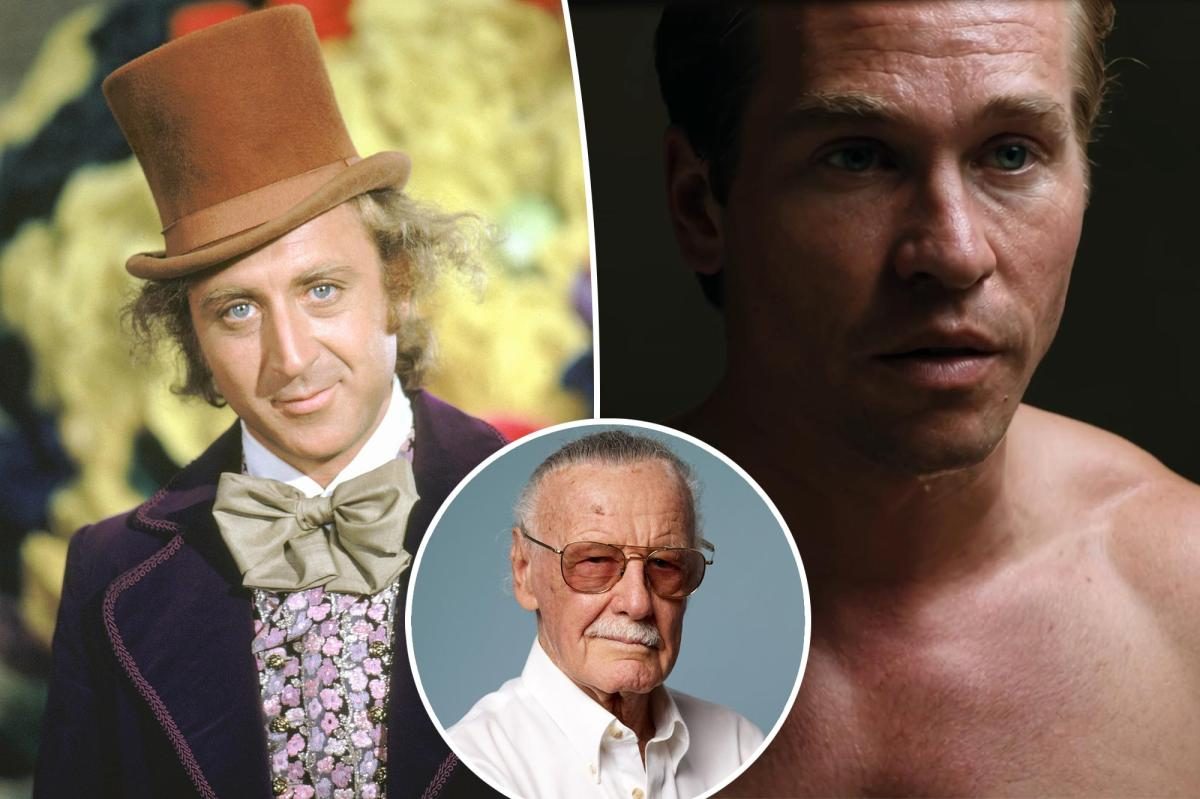
Netflix is set to launch a new competition series, **“Wonka’s The Golden Ticket,”** next month. The show will recreate the world of Willy Wonka’s chocolate factory and feature the legendary Gene Wilder as host—though his presence will be rendered through a generative‑AI voice.
Wilder, who passed away in 2016, will guide contestants inside a studio‑built replica of the 1971 film set, offering a winner a “lifetime supply of money” to keep the stakes high.
Reactions to the AI‑led Wonka have been mixed. Some fans label it “groan‑inducing,” while others describe it as “haunting.” Karen B.
Wilder, Gene’s widow, approved the project and said the use of her husband’s voice “celebrates the warmth and imagination that he brought to the role, introducing that magic to a new generation while honoring the fans who have cherished it for decades.” The decision highlights how estates are navigating new technology.
## Background & Context
Gene Wilder was a master of comic timing and a beloved figure in cinematic history. His portrayal of Willy Wonka in *Willy Wonka & the Chocolate Factory* (1971) remains an iconic benchmark for animated storytelling and has been referenced, parodied, and celebrated across generations.
The decision to resurrect his voice is part of a broader trend where post‑mortem likenesses are revived through sophisticated audio‑and‑visual synthesis, bringing forgotten stars into modern entertainment.
The trend has raised thorny ethical questions for heirs, who weigh the desire to honor a legacy against the temptation to profit from a figure who can no longer endorse the use. Legal experts warn that public sentiment may feel these projects exploit beloved personalities.
In this context, the **“Golden Ticket”** is not just another show—it is a cultural touchstone for discussions about consent, memory, and technology.
The legal framework governing post‑mortem rights of publicity is uneven across the United States. State statutes vary, offering anywhere from ten to a hundred years of protection, with no federal standard in place.
California has recently amended its law to cover digital replicas and give heirs the power to seek restraining orders instead of merely receiving monetary damages. These changes reflect how quickly the industry is adapting to new digital realities.
CMG Worldwide, a forty‑year‑old management firm that handles intellectual‑property rights for numerous celebrity estates, has led many of the AI deals. A two‑year‑old agreement gave ElevenLabs access to voices such as Judy Garland, James Dean, Burt Reynolds and Sir Laurence Olivier.
CMG’s chairman, Mark Roesler, notes that the company represents high‑profile figures like Albert Einstein and Neil Armstrong, underscoring the expanding reach of digital replicas.
## What People Are Saying
Karen B. Wilder’s comment underscores her approval of the project.
She said that using Gene’s voice “celebrates the warmth and imagination that he brought to the role, introducing that magic to a new generation while honoring the fans who have cherished it for decades.” Her statement frames the use as an homage rather than a commercial exploit.
Adam Streisand, a partner at Sheppard, said in an interview that many people worry public backlash will accuse estates of exploiting deceased celebrities. He notes that his clients include the estates of Marilyn Monroe, Marlon Brando, Michael Jackson and Ray Charles.
Streisand adds that families often ask, “How would dad feel about this?” and that these are heavy conversations for heirs.
Sharon Klein, president of family wealth at Wilmington Trust, pointed out that no one knows what Wilder would have wanted. She said fans may see the project as exploitation but might accept it if they believed Gene had explicitly asked for his likeness to be used.
Klein also warned that heirs will feel pressure to capitalize on the growing market, noting that the demand for AI‑generated voices is likely to grow.
## Fan Reaction in Detail
The fan base for Gene Wilder and *Willy Wonka* is remarkably diverse—ranging from children who grew up watching the film on VHS, to older adults who remember the original soundstage. Social media threads have reflected this spectrum.
One TikTok user shared a clip of a child laughing as a child‑like version of Wilder’s voice narrated the factory, commenting “This feels so real—like a time machine.” Another Twitter thread saw fans expressing skepticism: “If it’s not Wilder himself, does it even feel like Willy Wonka?” The sentiment debate quickly moved to Reddit threads where users dissected the vocal synthesis algorithm and debated the ethical implications of using a deceased actor’s voice for profit.
The most passionate reactions came from *Willy Wonka* fan clubs that organized live-streamed watch parties for the first episode.
These gatherings saw dozens of participants posting their reactions in real time, with comments ranging from “The AI voice is hauntingly accurate” to “It’s unsettling to hear a dead voice on my screen.” While some fans appreciated the nostalgic feel, others felt a disconnect, noting that no matter how precise the synthesis, a living actor’s spontaneity and humor cannot be replicated.
## Industry Impact
Netflix’s move signals a new era for streaming platforms looking to maximize content through legacy brands. By merging classic IP with cutting‑edge technology, they are creating hybrid experiences that appeal to both nostalgia seekers and tech‑savvy viewers.
The “Golden Ticket” could set a precedent for other studios to revisit their own deceased stars—especially those with iconic roles that define generational memories.
The economic impact is also notable. An industry report estimates that AI‑powered voice recreations can cut production costs by up to 40% compared to hiring living actors or outsourcing sound design.
For Netflix, this translates into a larger pool of content that can be rolled out on a global schedule, with fewer constraints related to scheduling or contractual negotiations.
the legal landscape is evolving at pace. The California law amendments mean that estates now have more leverage to negotiate terms before licensing their digital replicas. This has already attracted new investors who see the potential for monetizing digital likenesses—while also ensuring that those rights are protected.
## What Happens Next
Coerte Voorhees’s upcoming film, **“As Deep as the Grave,”** will feature an AI recreation of Val Kilmer, who died last year from throat cancer. The decision sparked controversy, but Kilmer’s estate—including his daughter Mercedes—signed off on the use.
In April, Mercedes told a reporter that “we have to contend with this technology one way or the other,” adding that proactively licensing such rights is easier than fighting them later.
California’s recent amendments also extend post‑mortem rights 70 years beyond death and explicitly include digital replicas. They allow heirs to pursue restraining orders against unauthorized uses, rather than just seeking damages.
The changes illustrate how state laws are catching up with technology, offering a clearer framework for estates that wish to control post‑humous likenesses.
Industry insiders see the AI era as the beginning of a vast takeover. Streisand warned that the pressure on families to take advantage of new opportunities will be significant.
He added that although purists may win out initially, the demand for AI‑generated voices and likenesses will likely surge, making this an evolving frontier with financial and ethical implications.
## Looking Forward
As Netflix’s “Wonka’s The Golden Ticket” prepares to air, the conversation about resurrecting deceased stars with AI is gaining momentum. With legal reforms, high‑profile deals, and public debate unfolding simultaneously, the entertainment world is watching closely.
Whether this trend honors legacies or commodifies them remains a question that only time—and careful stewardship—can answer.
In the end, the show will test how far audiences are willing to let technology blur the line between memory and invention. It will also force estates, creators, and regulators to negotiate a new kind of consent—one that balances reverence for a beloved icon with the realities of a rapidly digitizing world.
Why It Matters
Our Take
GoNews Pulse Editorial Team
This article was prepared for publication by GoNews Pulse and checked for publication requirements under our editorial standards. We review available information and correct material errors when they are identified.
Quick Answers
- What is the latest update on this story?
- Netflix’s new Wonka film lets Wilder’s iconic voice guide us back into Wonka’s factory—thanks to AI.
- Who is this story about?
- This article covers developments related to Gene Wilder Returns to Wonka's Factory—AI Voices His Iconic Glee. GoNews Pulse's editorial team monitors the story and updates the article as new verified information becomes available.
- Where can I read more about Netflix?
- GoNews Pulse publishes original reporting on Netflix and related entertainment news. Visit the homepage or browse the section dedicated to this story for the latest coverage.
Related topics
- #Netflix
- #Gene Wilder
- #digital replica
More From This Section
Netflix's $277k box office break shatters streaming dominance
The film earned $108.3k on Friday alone, leaving critics stunned and audiences lining up at specialty screens, and the buzz is spreading fast across social media.
Courteney Cox 62 Turns Heads in Black Bikini on Hawaiian Beach
At Jennifer Meyer’s wedding, 62‑year‑old Courteney Cox stunned guests in a sleek black bikini, revealing a new fitness‑focused lifestyle that fans are buzzing about.
Steve Kazee's 'We Got You' Post Spurs Jenna Dewan After Val Suspension
Kazee wrote, 'Every time I think I can’t love you more…' as Jenna faced a sudden partner change right before the live finale.