
Netflix Fires Dan Lin After 1 Year, $200M Debate Ignites
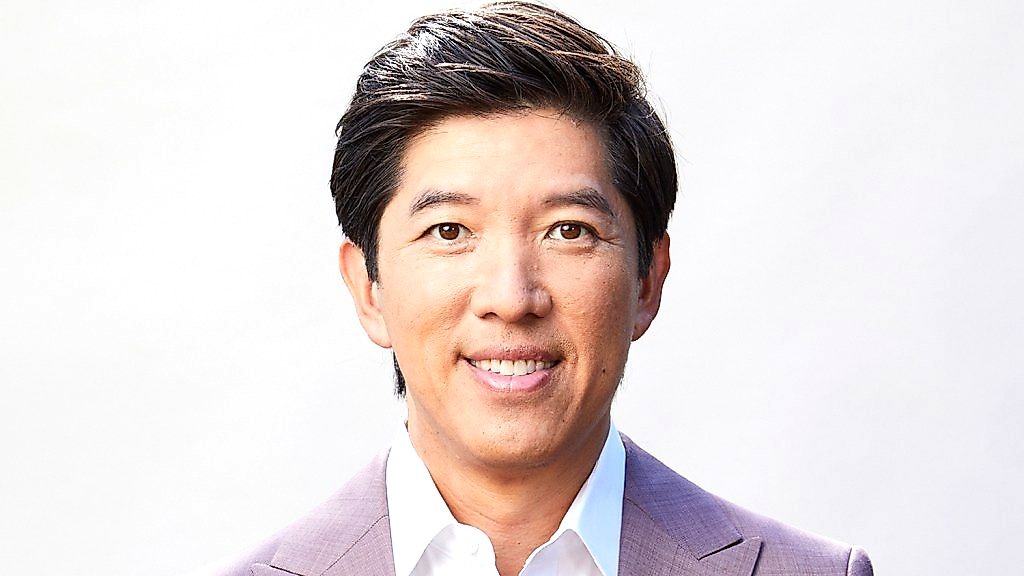
**Dan Lin Dismissed From Netflix’s Film Division After a Brief Tenure, Leaving a Legacy of Hits and Headaches** In the early hours of Monday morning, Dan Lin was called into a quiet meeting with his feature staff, a routine rehearsal for a post‑mortem that would become a public headline.
The former producer, who had taken the helm of Netflix’s film business in 2024, was officially relieved of his duties as film head—a move that followed a wave of layoffs and strategic realignments within the streaming giant.
The announcement, issued by co‑CEO Ted Sarandos, painted a picture of a respected leader who had “strength as a producer” and a “dedication to quality filmmaking,” but the company’s direction had outpaced his tenure.
Lin’s exit comes at a time when Netflix is grappling with sluggish growth, a 6 % reduction in its global workforce. Shares hovered around $69.76, a decline from the 52‑week peak of $124.86, and the studio’s internal town hall slated for Wednesday promises to reveal further changes.
For fans and industry observers alike, the question remains: What does this mean for Netflix’s film strategy, and who will step into the void left by Lin? ## Background & Context Netflix’s decision to part ways with Dan Lin in the role follows a broader pattern of executive turnover that began with the dismissal of several high‑profile talent heads.
In late October, the company announced 1,000 layoffs, equating to roughly 6 % of its worldwide staff—a move aimed at recalibrating costs in a competitive streaming market that has increasingly resembled traditional cable.
Amid that shake‑up, Netflix’s film division had been expected to survive the purge, with Lin’s appointment seen as a stabilizing factor. Lin joined Netflix after a prolific career as a producer, amassing $6 billion at the global box office from 2008 to 2024.
His mandate was clear: curb the $200 million-plus, low‑downstream productions that had previously dominated the platform, and focus on cost‑efficient, high‑impact features.
Titles like *War Machine*, *Swapped*, *The Rip*, and *Happy Gilmore 2* earned him accolades for balancing modest budgets with impressive viewership numbers—*Swapped* alone crossed 144 million views, breaking into the top‑ten all‑time list.
Yet despite these successes, Netflix’s film output under Lin did not replicate the consistent top‑10 traction of the Scott Stuber era. Beyond on‑screen numbers, Lin’s tenure was marked by a no‑nonsense approach to filmmakers.
Reports suggest friction with auteurs such as Greta Gerwig and Ben Affleck, as he was said to challenge their vision in pursuit of tighter budgets.
The departure of long‑time collaborator David Fincher from an exclusive contract further highlighted strained relations, even though no direct conflict between the two was confirmed. ## What People Are Saying Ted Sarandos’ statement about Lin’s departure—“I started working with Dan well before he joined us in 2024 and his strength as a producer was always clear”—offers a diplomatic nod to Lin’s past contributions.
Yet the same statement also acknowledges that Netflix’s future would require different priorities. Sarandos hinted that Lin’s successor would be named only after Peter Rice takes over the Chief Content Officer role from Bela Bajaria.
Peter Rice’s arrival signals a shift toward a more traditional film studio model, one that embraces theatrical releases and a 45‑day exclusive window before streaming—an approach that has been a point of contention among filmmakers and exhibitors.
While Lin thanked “Ted, Greg and Bela” for the opportunity, the silence on who will replace him keeps speculation alive. Rumors have surfaced that former Warner Bros executives Michael De Luca and Pamela Abdy might be in the mix, contingent on the completion of their contracts with the studio.
Their potential arrival would bring a history of high‑budget filmmaking into Netflix’s fold, but it would also raise questions about how much creative freedom the streaming giant is willing to grant.
One source with insider knowledge hinted that De Luca might consider a role at Netflix if the company could offer “fire‑breathing commitment to theatrical.” Whether that promise could be honored remains unclear. The broader industry is watching Netflix’s pivot with caution.
The shift to theatrical releases, including the recent New York and Los Angeles launch of *La Bola Negra*, marked the first time the platform reported box‑office grosses for Q3 and Q4 releases.
The film’s opening per‑screen average of $69,300 set a record for Spanish releases, indicating that Netflix’s limited theatrical strategy could pay dividends—though the return on investment for a platform traditionally avoiding theatrical windows is still under scrutiny. ## What Happens Next With Dan Lin’s departure, Netflix’s film division is entering a transitional phase.
The immediate focus will be on stabilizing production pipelines and integrating Peter Rice’s vision as Chief Content Officer. Rice is expected to bring a more traditional studio mindset, potentially expanding Netflix’s relationship with theatrical exhibitors and redefining the window strategy.
This could mean more rigorous budgeting for high‑profile projects and a clearer delineation of what constitutes a “Netflix‑only” film versus one that follows a conventional release calendar.
At the same time, Netflix’s executive search will likely probe the talent pool for someone who can balance the platform’s need for cost‑efficient, high‑viewership content with the demands of top‑tier filmmakers.
The speculation around De Luca and Abdy reflects a willingness to bring in heavyweights, but the streaming service must reconcile that with its broader mission of delivering binge‑worthy content at scale.
In the months ahead, the next chapter for Netflix’s film division will hinge on whether the company can harmonize the efficiency of a streaming service with the expectations of a traditional movie studio.
The decision will influence not only the next wave of releases but also the future of how audiences consume film in an era where streaming and cinema are increasingly intertwined. The exit of Dan Lin marks the end of a brief but eventful era for Netflix’s film department.
While his leadership yielded a mix of critical and commercial successes, the studio’s evolving strategy signals a shift toward a more balanced approach to distribution and budgeting.
As Netflix navigates these changes, the industry watches closely, eager to see whether the streaming titan can redefine its film identity without losing the creative edge that once set it apart.
At a Glance
- Dan Lin was relieved of his role as film head after just one year as Netflix pivots toward a 45‑day theatrical window and a $200M+ budget cap.
- Lin’s career netted $6B worldwide, yet friction with auteurs and a focus on low‑downstream productions left the studio’s output below the top‑10 benchmark of the Stuber era.
- Potential successors from Warner Bros and other studios signal a return to a more traditional studio model, while Netflix promises tighter budgets and a clearer distinction between streaming‑only and
Why It Matters
Our Take
GoNews Pulse Editorial Team
This article was prepared for publication by GoNews Pulse and checked for publication requirements under our editorial standards. We review available information and correct material errors when they are identified.
Quick Answers
- What is the latest update on this story?
- Ted Sarandos praised Dan Lin's "strength as a producer" before announcing his exit, sparking debate over Netflix's $200M theatrical shift.
- Who is this story about?
- This article covers developments related to Netflix Fires Dan Lin After 1 Year, $200M Debate Ignites. GoNews Pulse's editorial team monitors the story and updates the article as new verified information becomes available.
- Where can I read more about celebrity news?
- GoNews Pulse publishes original reporting on celebrity news and related entertainment news. Visit the homepage or browse the section dedicated to this story for the latest coverage.
More From This Section

Selena Gomez's 34-year-old Voice Stuns Fans After Vaping Revelation
In a candid Instagram story, Selena Gomez said she 'stupidly' vaped nicotine a lot, warning fans that the habit permanently altered her huskier voice.

Bob Saget Stops Drive-By Gunshot that Threatened Jodie Sweetin at 44
Jodie Sweetin told the audience she’d ‘leaned over to tie my shoes’ when a gunshot burst, but she still doubts the incident happened.

Gleb Savchenko blasts Carrie Ann Inaba's 'bulls—t' lift verdict in samba
Savchenko storms TikTok, calling Inaba’s lift call 'bulls—t' after Jenna Johnson and Harry Shum Jr.'s samba, sparking a judge‑pro feud that could shake DWTS.