
Neal McDonough's six Yellowstone episode boycott shocks fans
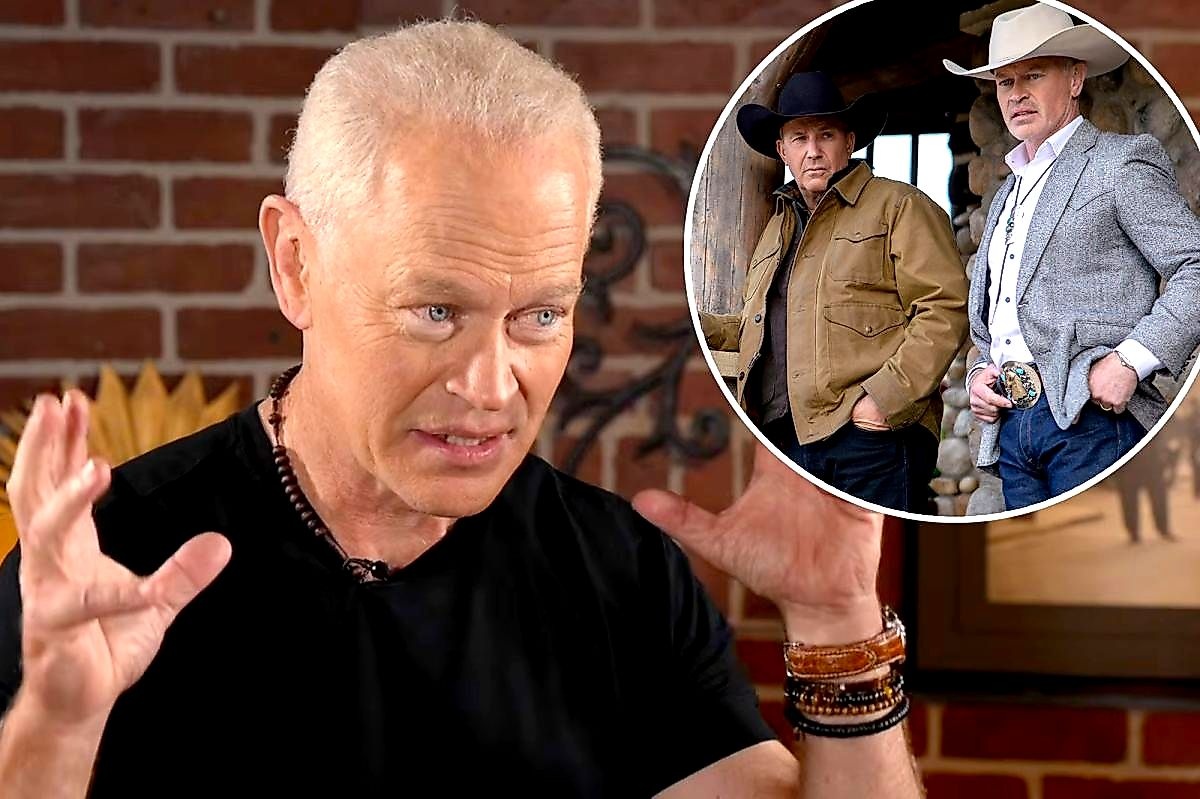
# Neal McDonough Refuses to Watch Six 'Yellowstone' Episodes, , they recognized him as a ruthless businessman with a razor‑sharp edge. In season two, he delivered Malcolm Beck, a character whose ambition rattled the Steinbachs with the force of a storm.
Yet, beneath the villain’s menacing smile lies a surprising confession: McDonough has never actually watched the show, not even a single frame of the six episodes he helped create.
In a recent conversation on the “Arroyo Grande” podcast, McDonough made clear that revisiting his own work feels less like a review and more like a painful trip down memory lane. “I’ve never seen it.
You know, I don’t watch any of my stuff,” he said, the lines tight with the weight of years spent inside the industry’s spotlight. His method acting approach, honed on long, arduous shoots, means that when he sees himself on screen, the memory of his own thoughts and feelings resurfaces with uncanny clarity.
“If I look at a frame – that’s why I don’t watch any of my stuff. If I look at a frame of a show from 20 years ago, I know exactly the thought I was thinking.
I know the song I was thinking about. I know where I was going.
So going back to me sometimes can be really kind of traumatic and painful,” he explained. McDonough’s avoidance isn’t limited to televised moments.
Even the red‑carpet ritual that follows a premiere feels almost performative to him. “I’ll go to premieres of our films, and I’ll do the red carpet.
[His wife] Ruvé and I will walk in, out the exit, grab a nice dinner someplace, go to the party after. ‘How’d you like the movie?’ ‘It was great. It was awesome.
I loved it.’ I just don’t like to watch myself,” he admitted, his tone a mix of pride and discomfort. --- ## Background & Context McDonough’s reluctance to watch his own work is rooted in a more turbulent chapter of his career.
In 2010, he claimed he was let go from the ABC series “Scoundrels” after refusing to perform a kissing scene with a co‑star. The decision, sparked a cascade of professional setbacks and a severe financial crisis that shook his sense of identity.
“I was fired from a show because I wouldn’t kiss a woman. No one would hire me because they thought I was this religious nut bag,” he said, reflecting on the stigma that followed him.
In that same period, he described how the industry’s rejection led to a spiral of alcohol use.
“I was always a drinker, but it became a bad problem after I said Hollywood had blackballed me,” he recalled, the confession echoing a broader narrative of actors who find themselves adrift when the doors of opportunity close. Amid the storm, McDonough’s personal life became an anchor.
He and his wife, Ruvé, have weathered the ups and downs of show business together, sharing five children and a collaborative spirit that extends beyond the camera.
The couple met on the set of “Band of Brothers” in 2000, and their wedding on December 1, 2003, cemented a partnership that has produced projects such as “Boon,” “The Warrant: Breaker’s Law,” “Homestead,” and “The Last Rodeo.” These ventures underscore a career that, while punctuated by challenges, remains vibrant and resilient. --- ## What People Are Saying Fans and industry observers alike have reacted with a mix of surprise and admiration at McDonough’s candor.
His refusal to revisit “Yellowstone” has sparked conversations about the psychological toll of method acting and the ways performers guard themselves against self‑critique. “I was there on the day,” McDonough told the podcast host, a reminder that the responsibility of the set remains in his hands.
“I know I did a great job because God gave me a talent. I’m terrible at pounding nails.
I’m not very good at telling jokes. But as Ruvé said, ‘Man, you can act.’ And so I don’t need to look to see if it was good or not.
They keep on hiring me, right? If they keep on hiring, I must be doing something right.” This confidence, born from years of perseverance, has earned him respect among peers who appreciate his focus on the craft rather than on validation.
The broader conversation has also touched on the industry’s changing standards of authenticity. As audiences demand more intimate glimpses into actors’ lives, McDonough’s stance raises questions about how much an artist should expose themselves to criticism.
His choice to maintain a distance from his own performances can be seen as a protective mechanism, a way to keep the actor’s personal wellbeing intact amid a career that demands constant reinvention. --- ## What Happens Next Looking ahead, McDonough remains deeply embedded in both acting and producing, with several projects slated for release in the coming months.
His partnership with Ruvé continues to flourish, and they are reportedly exploring new narratives that blend drama with the rugged authenticity that has become synonymous with their brand.
While he has chosen to avoid watching his past work, McDonough’s willingness to step onto the screen—whether as a villain or a protagonist—has never waned.
He has indicated a particular interest in roles that challenge the status quo, drawing on his own experiences to inform complex characters that resonate with viewers. In addition to film and television, McDonough is involved in philanthropic endeavors that focus on mental health awareness for actors.
He has spoken at events that aim to destigmatize the mental health challenges that many in the entertainment industry face.
By leveraging his platform, he seeks to give back to a community that has, in his words, “beaten him down a few times, but also given him a chance to shine again.” As the industry evolves, McDonough’s story serves as a reminder that success is not merely measured in viewership numbers or critical acclaim.
It is also reflected in the ability to confront personal hardships, maintain a steadfast commitment to one’s craft, and ultimately choose how one engages with the echo of their own voice. --- Neal McDonough may be a figure of menace on screen, but off camera he remains resilience, choosing to face the world—and his past—one frame at a time, even if he never looks back at that frame.
At a Glance
- McDonough denies ever watching the six Yellowstone episodes he helped create,
- His refusal stems from a broader reluctance to revisit past work after a career setback in 2010.
- The controversy sparks debate on actor self‑critique and mental health in Hollywood.
Why It Matters
Our Take
GoNews Pulse Editorial Team
This article was prepared for publication by GoNews Pulse and checked for publication requirements under our editorial standards. We review available information and correct material errors when they are identified.
Quick Answers
- What is the latest update on this story?
- He confesses, 'I’ve never seen it,' revealing the painful reason actors avoid replaying their own performances. In the spotlight.
- Who is this story about?
- This article covers developments related to Neal McDonough's six Yellowstone episode boycott shocks fans. GoNews Pulse's editorial team monitors the story and updates the article as new verified information becomes available.
- Where can I read more about celebrity news?
- GoNews Pulse publishes original reporting on celebrity news and related entertainment news. Visit the homepage or browse the section dedicated to this story for the latest coverage.
More From This Section
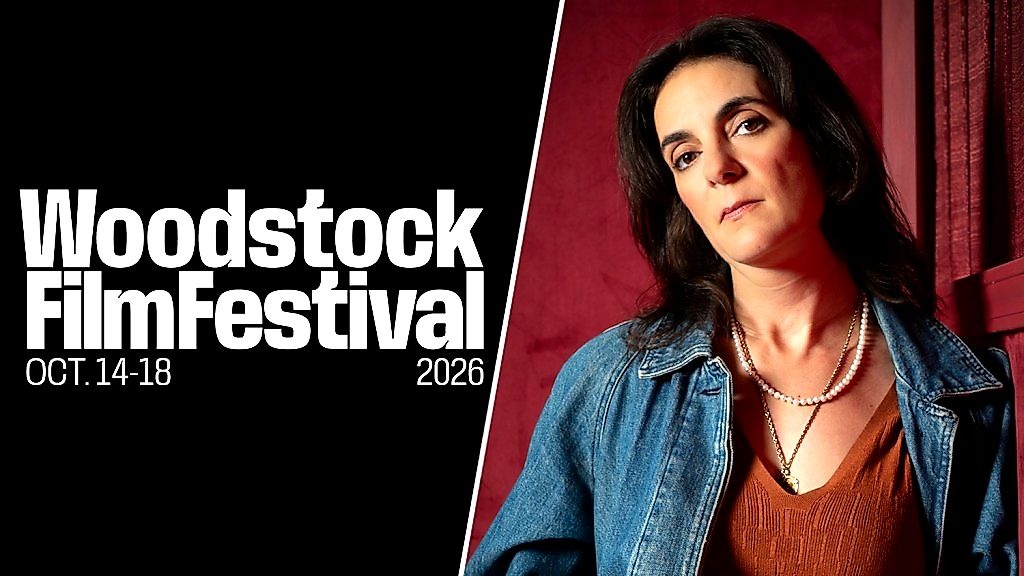
Jessica Edwards' 27-Year Legacy Shakes Woodstock Film Festival
Jessica Edwards announced she will double the festival’s screen time for women filmmakers, promising a new wave of diverse stories at next spring’s event.
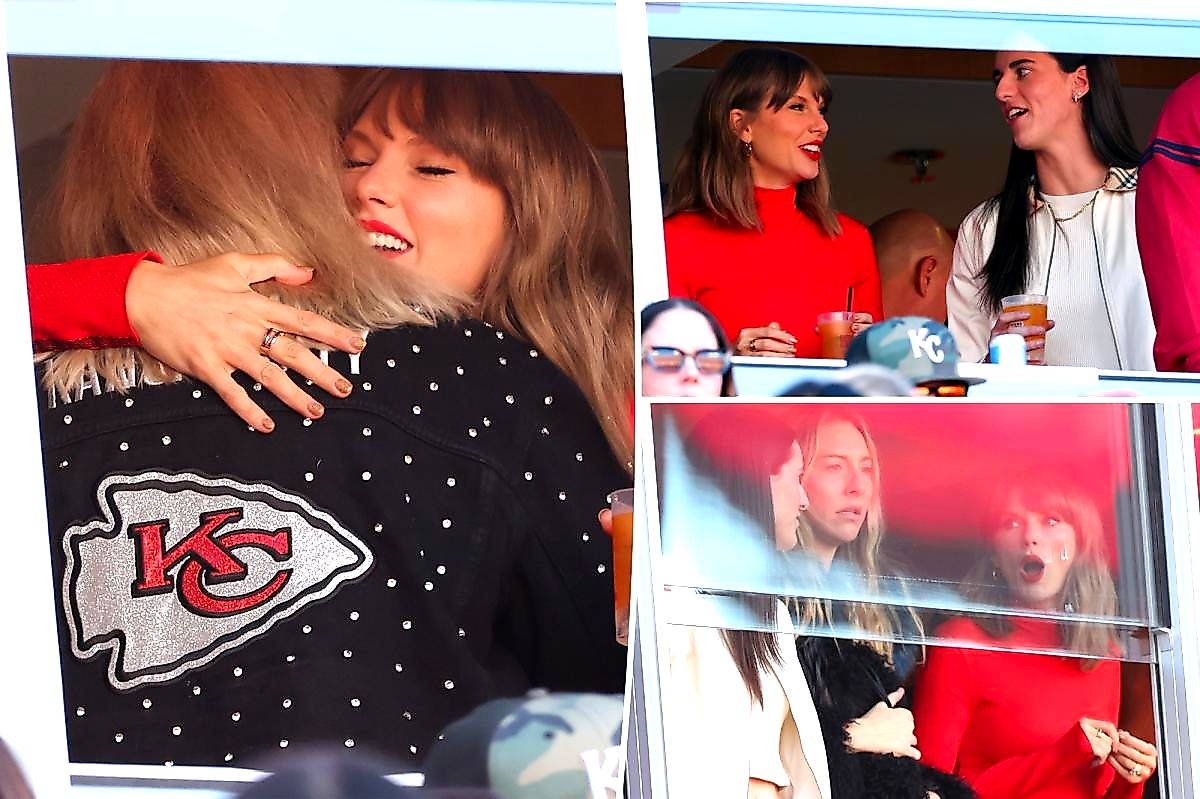
Taylor Swift's 36-Year-Old Red Turns Chiefs Fans Into Celebrity Crowd
Swift's front‑row red turtleneck and a heartfelt hug to Donna Kelce at Arrowhead left fans stunned as Chiefs edged Chargers 33‑30 in overtime.
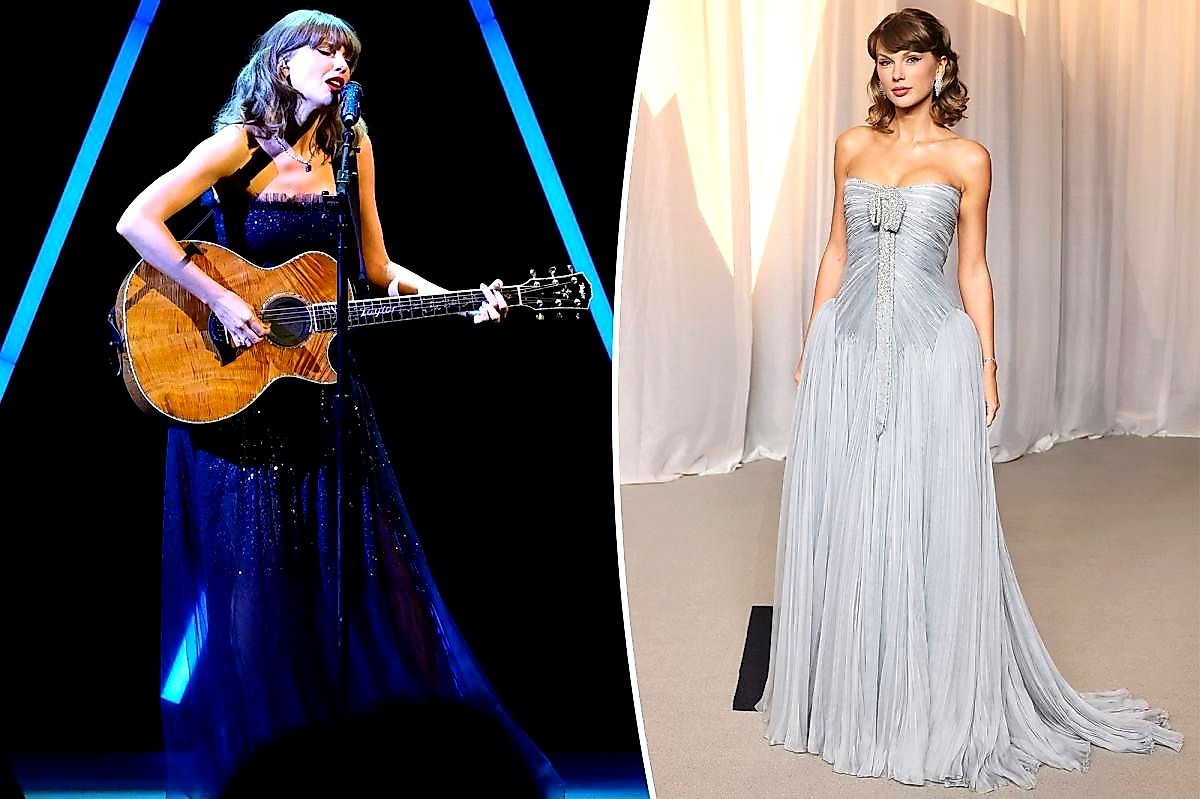
Taylor Swift's 36-year-old drops 'The Fate of Ophelia' at Academy Gala
She stunned in a strapless pale‑blue Dior gown, opening with a brand‑new Toy Story 5 track and a 'Blank Space' performance, showcasing her theatrical flair.