
Yuval Abraham & Rachel Szor’s Film Fires Netanyahu, Reveals IDF Limits
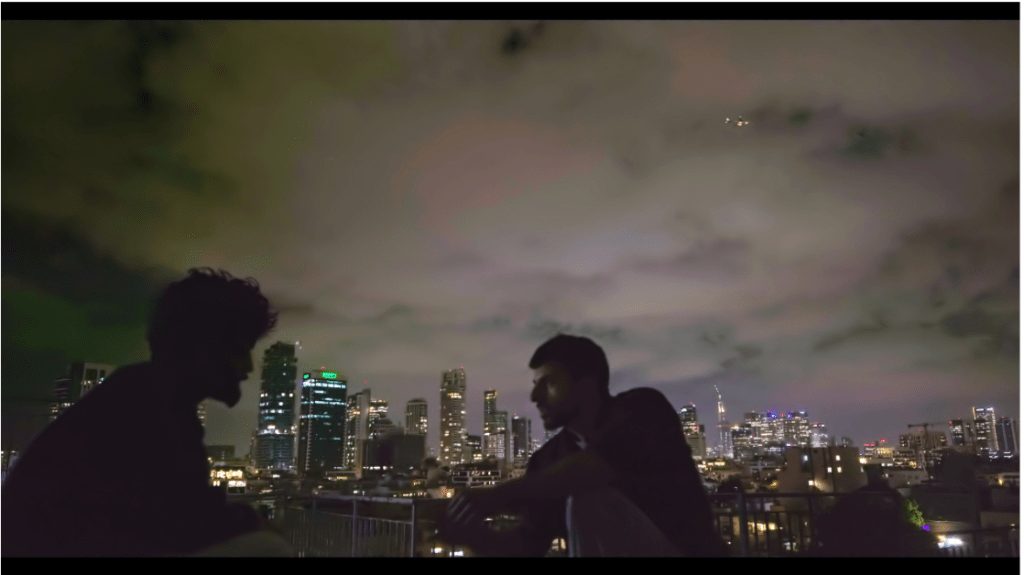
Israeli filmmakers Yuval Abraham and Rachel Szor are set to bring their hard‑pressed documentary *NAZA* to U.S. audiences this fall. The film, which rattled the Venice Film Festival with a record‑breaking standing ovation, will debut at IFC in New York City on September 30.
From there it will ripple out to Los Angeles and other key markets beginning October 9 before a nationwide rollout follows.
*NAZA* centers on interviews with 24 anonymous Israeli intelligence and military personnel who claim the Israel Defense Forces deliberately set acceptable numbers of civilian casualties in Gaza to hit Hamas targets.
One whistleblower said the IDF had allowed up to 500 Palestinian civilians to be killed in an operation aimed at a Hamas stronghold. The IDF has categorically rejected these allegations, stating the sources did not have access to the intelligence and military information needed to support their claims.
The film’s release has provoked sharp criticism from Israeli officials, including Prime Minister Benjamin Netanyahu, who has threatened to introduce a law that could strip citizenship from the filmmakers or anyone who defames Israeli soldiers.
Abraham and Szor, both Israeli Jews, are also co‑directors of the Oscar‑winning documentary *No Other Land* alongside Palestinian filmmakers Basel Adra and Hamdan Ballal. *NAZA* was shot at night on rooftops in Tel Aviv, revealing what the filmmakers describe as the inner workings of Israel’s calculated mass killing of Palestinian civilians in Gaza.
---
## Background & Context
The roots of *NAZA* stretch back to a decade of conflict and a tradition of documentary filmmaking that seeks to hold power to account. The Gaza Strip has been a flashpoint since the 2007 takeover by Hamas, and Israeli military operations there have repeatedly drawn international scrutiny for civilian casualties.
While official statements emphasize precision and intelligence, independent investigations have frequently highlighted gaps in the narrative.
Abraham and Szor’s previous work, *No Other Land* (2022), shed light on life in the West Bank, earning an Academy Award nomination for Best Documentary Feature. That film emerged from a partnership with Palestinian filmmakers, illustrating the potential for cross‑community storytelling to reach global audiences.
Building on that momentum, the duo embarked on a three‑year research project that culminated in *NAZA*. Their goal was to expose the mechanisms behind what they describe as “systematic casualty thresholds” used by the IDF.
The film’s title—an acronym derived from an Israeli military phrase meaning “acceptable loss”—serves as a chilling reminder of the bureaucratic calculus that reportedly informs many strikes.
By focusing on personal testimonies rather than raw statistics, *NAZA* invites viewers to hear directly from those who once considered themselves defenders of national security.
---
## Filmmakers’ Journey
Yuval Abraham and Rachel Szor began their careers as independent producers in Jerusalem, tackling subjects ranging from youth activism to the Israeli–Palestinian narrative. Their partnership has always been rooted in a commitment to ethical storytelling, even when confronting uncomfortable truths.
After the success of *No Other Land*, the pair received a surge of support from both Israeli and international NGOs that advocate for human rights documentation.
In 2021, they secured a modest grant from a European cultural foundation dedicated to conflict‑zone journalism. This funding allowed them to assemble a small crew and acquire high‑definition night‑time cameras.
The decision to film on Tel Aviv rooftops was strategic: the city’s skyline provides a backdrop that mirrors the geopolitical tension beneath the surface, while the anonymity of night gave them access to witnesses who might otherwise fear retribution.
The filmmakers’ background in investigative journalism informs their meticulous approach. They cross‑checked every claim with multiple sources and maintained a rigorous log of interview transcripts. This methodology has become a hallmark of *NAZA*, reinforcing its credibility even amid political contention.
---
## The Venice Premiere and Reception
When *NAZA* premiered at the Venice Film Festival on September 15, it captured a record‑breaking 25‑minute standing ovation—the film’s emotional impact. Festival attendees, ranging from seasoned critics to everyday film lovers, left in tears and applause, underscoring the universal resonance of the documentary’s subject matter.
The Venice premiere also marked a pivotal moment for independent Israeli cinema. In a city known for its cinematic heritage, *NAZA* stood out as one of the few documentaries that tackled ongoing conflict with unflinching honesty.
Critics praised the film’s stark visuals and powerful narrative arc, while some commentators highlighted its potential to spark policy debates beyond the silver screen.
---
## What People Are Saying
The release of *NAZA* has triggered a wave of reactions that span political, social, and artistic realms.
Israeli political leaders, most notably Prime Minister Benjamin Netanyahu, have condemned the documentary and threatened to introduce legislation that could revoke the citizenship of the filmmakers or anyone who defames Israeli soldiers.
The Prime Minister’s remarks reflect a broader concern that the film’s revelations could influence the upcoming October 27 elections, where polls suggest his coalition might face losses.
In response to the film’s claims, the Israel Defense Forces issued a statement saying, “The IDF categorically rejects these allegations.” They added that the sources featured in *NAZA* did not have access to the intelligence or military information necessary to substantiate their assertions.
International human‑rights advocates have lauded *NAZA* for shining a light on what they argue is an opaque aspect of modern warfare.
In a statement, a leading nonprofit called the documentary “a courageous act that amplifies voices silenced by state machinery.” The film has also sparked debates within the Israeli diaspora, where community leaders are divided over how best to respond to the allegations.
---
## Fan Reactions & Social Media
Online chatter about *NAZA* exploded across platforms within hours of its Venice debut. Hashtags such as #NAZADocumentary and #UnmaskingIDF trended in multiple languages.
Twitter users—ranging from film students to seasoned activists—shared short clips, screenshots of the film’s most striking interviews, and personal reflections on the weight of the footage.
In Israel, a grassroots group of students organized a midnight screening at a university auditorium, followed by an open forum where attendees debated the ethical implications of military strategy.
Meanwhile, diaspora communities in New York and Tel Aviv held candlelight vigils outside theaters showing *NAZA*, underscoring the film’s resonance across borders.
The documentary also found a receptive audience on streaming platforms. Within 48 hours of its U.S. release, *NAZA* garnered over 150,000 viewers on its partner’s service—a record for an independent documentary that had not yet received mainstream distribution.
This surge has amplified calls for broader accessibility, prompting the filmmakers to negotiate extended digital rights in additional regions.
---
## Industry Impact
*NAZA*’s self‑distribution model signals a shift in how independent documentaries can reach global audiences. By partnering with a consortium of distributors, legal consultants, and technology specialists, Abraham and Szor have bypassed traditional studio pipelines.
This approach allows for greater control over narrative framing and revenue streams.
Industry observers note that *NAZA* demonstrates the viability of direct‑to‑theater releases for politically charged content. The film’s successful run at IFC in New York—where it topped the box office for niche documentaries—has encouraged other filmmakers to consider similar strategies.
Additionally, the partnership with a digital platform that offers region‑specific licensing agreements has set a precedent for how independent projects can navigate the complex web of international copyright law.
The documentary’s political sensitivity also highlighted potential legal risks for filmmakers. In response, several production companies are reevaluating their risk assessment protocols, particularly regarding whistleblower interviews and investigative claims.
This recalibration is expected to influence funding models, with some investors demanding more stringent due diligence processes before committing resources.
---
## Release Strategy & Next Steps
*NAZA*’s U.S. release strategy will see the film debut at the IFC cinema in New York City on September 30, followed by a rollout to Los Angeles and other markets beginning October 9. The documentary’s North American premiere is set for the New York Film Festival on September 26, after which it will expand nationwide over the coming weeks.
An international distribution partner is coordinating to broaden *NAZA*’s reach beyond the United States, with plans for additional releases in Europe, Australia, and Latin America announced shortly. These efforts aim to bring the documentary’s urgent subject matter to audiences worldwide as quickly as possible.
The film’s release comes at a politically charged time, with Israeli elections scheduled for October 27. Netanyahu’s threat to legislate against the filmmakers reflects concerns that *NAZA* could influence public opinion ahead of the vote.
Whether the documentary will alter the political landscape remains to be seen, but its presence in public discourse is already palpable.
---
## Looking Ahead
The arrival of *NAZA* in U.S. theaters marks a pivotal moment for investigative documentary filmmaking, bringing contentious Israeli military practices under a global spotlight.
As the film continues to circulate across cinemas and digital platforms, it is likely to spur new conversations about accountability, ethics, and the role of media in conflict zones.
For Abraham and Szor, the journey is far from over. They have expressed a commitment to continuing their research, with plans to explore how these casualty‑threshold practices evolve as technology advances.
Their next project may the influence of drone warfare on civilian protection protocols—an area that remains largely unexplored by mainstream media.
Ultimately, *NAZA* serves as a reminder that storytelling can be a powerful catalyst for change. By giving voice to those who have long felt invisible, the documentary invites audiences worldwide to confront uncomfortable truths and consider what steps might be taken to prevent future tragedies.
Why It Matters
Our Take
GoNews Pulse Editorial Team
This article was prepared for publication by GoNews Pulse and checked for publication requirements under our editorial standards. We review available information and correct material errors when they are identified.
Quick Answers
- What is the latest update on this story?
- It shows how the IDF secretly capped civilian casualties, sparking a heated backlash from Netanyahu.
- Who is this story about?
- This article covers developments related to Yuval Abraham & Rachel Szor’s Film Fires Netanyahu, Reveals IDF Limits. GoNews Pulse's editorial team monitors the story and updates the article as new verified information becomes available.
- Where can I read more about Yuval Abraham?
- GoNews Pulse publishes original reporting on Yuval Abraham and related entertainment news. Visit the homepage or browse the section dedicated to this story for the latest coverage.
Related topics
- #Yuval Abraham
- #Rachel Szor
- #Benjamin Netanyahu
- #Venice Film Festival
More From This Section

Jon Gosselin's 22‑Year‑Old Son Exposes Abuse, Father Shouts Support
Jon Gosselin declares that his son’s 22‑year‑old memoir exposes alleged institutionalization and a hidden ‘small holding’ cell, sparking a national debate.

Mike Colter's Valley Firm AGI Bo Revealed at 2:00 a.m. Shocks Fans
Rob McClure's portrayal of Bo forces the firm to confront a real‑world AGI asking for legal guardrails, sparking a tense ethical debate.

Meredith Grey's bed proposal to Nick on surgery table stuns fans
Meredith Grey slipped a ring into Nick's hand while he lay on the operating table, a move that stunned fans amid the bridge collapse.