
Lavender Algorithm Is Israel's Secret Weapon Against Gaza Civilians
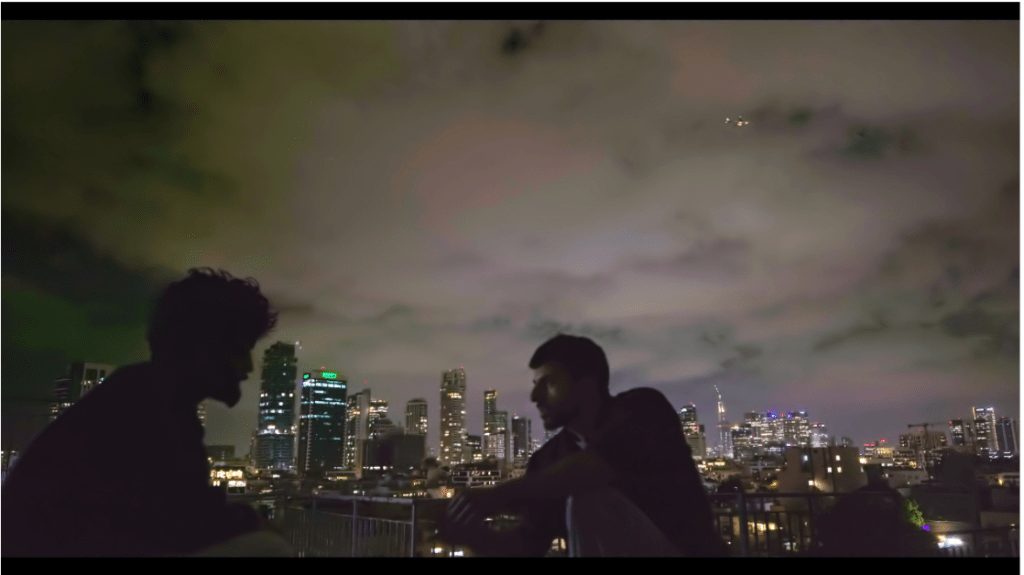
On Saturday night, the documentary *NAZA* took home the Special Jury Prize at the Venice Film Festival.
The film, directed by Israeli Jews Yuval Abraham and Rachel Szor, tells a chilling story of alleged Israeli military operations in Gaza that employ an algorithmic system—referred to as Lavender—to identify human targets for strikes.
Filmed from Tel Aviv rooftops under the cover of night, the production kept identities hidden while avoiding surveillance drones.
## A Brief History of the Gaza Conflict
The Gaza Strip has been a flashpoint since the late 1960s, when Israel occupied the territory after the Six-Day War. Over decades, it has seen multiple clashes: the First Intifada (1987‑1993), Operation Cast Lead (2008‑2009), and most recently, the hostilities that erupted on October 7, 2023.
Each escalation has brought a spike in casualties on both sides. The current cycle, marked by high‑intensity artillery exchanges and air strikes, has already resulted in significant loss of life and infrastructure.
## Behind the Scenes: How NAZA Was Made
The film’s creators faced logistical challenges before the story even began. Because the allegations involve highly sensitive military operations, shooting had to be covert. The production team rented Tel Aviv rooftops at night to film interviewees in silhouettes, then digitally altered their voices to preserve anonymity.
The director’s previous work—such as *Silent Echoes*, a documentary about underground tunnels in Gaza—gave the team a foothold in navigating politically charged narratives.
The choice of a rooftop aesthetic mirrors the literal and figurative "high ground" from which decisions are made. It also underscores the distance between those who plan strikes and the civilians who bear their consequences.
By blending low‑light footage with stark interview segments, *NAZA* constructs a tense atmosphere that keeps viewers on edge.
## The Allegations in Detail
Twenty‑four anonymous Israeli military personnel—intelligence officers and front‑line soldiers—serve as the backbone of the story. Their testimonies center on Lavender, an advanced algorithmic system that reportedly flagged up to 70,000 human targets across Gaza.
The film presents a disturbing image: a strategy where civilian casualties are considered acceptable collateral damage, sometimes ranging from a handful to several hundred .
The title *NAZA*, derived from the Hebrew acronym Nezek Agavi, means “collateral damage.” , the acceptable number of civilians ; commanders could set it freely.
Interviewees describe a prevailing mentality that “civilians are expendable” and, in some cases, find the missions “so insanely fun to carry out.” One soldier warns of imprisonment if he were to speak out, underscoring the risk involved in whistleblowing.
Not only does *NAZA* expose strategic calculations, but it also reveals operational details. Night‑time attacks are timed to coincide with civilians being at home, and a sniper is shown allegedly targeting Palestinians heading for food distribution sites.
A drone feed purportedly captures dogs scavenging from corpses on streets—a haunting visual that underscores the brutality of the conflict.
## The IDF’s Denial and Legal Context
An IDF spokesperson released a statement immediately after the film’s Venice screening.
The spokesperson categorically rejects the allegations, asserting that “decisions regarding the selection and approval of strikes in the IDF are made by human personnel only.” They noted that they had not seen *NAZA* but referred to “publications” that supposedly described its content.
Emphasizing the difficulty of verifying anonymous testimonies, the spokesperson stressed that claims about national strategy exceed the knowledge of junior‑level soldiers.
In line with international law, the IDF claims it strives to minimize civilian harm while protecting Israeli civilians from rocket attacks.
The spokesperson highlighted that Israel operates in Gaza “to protect its civilians, strike military targets, and minimize harm to civilians.” Critics argue that such statements are standard diplomatic language rather than evidence of compliance.
## Fan Reaction and Social Media Echoes
Within hours of the Venice premiere, hashtags like #NAZA and #GazaTruth trended on social media platforms. Young activists organized virtual watch parties to discuss the film’s implications, while veteran journalists debated whether the documentary crossed from investigative journalism into propaganda.
Some viewers felt that *NAZA* was a “wake‑up call” for global audiences about modern warfare’s moral complexity, while others feared it could inflame already volatile tensions.
The film also sparked petitions demanding independent investigations into the alleged use of algorithmic targeting. Thousands signed online, calling for transparency from Israeli military authorities and urging international bodies to examine the evidence presented.
## Industry Impact: A Ripple Through Film Festivals
Winning the Special Jury Prize at Venice placed *NAZA* on a global pedestal, attracting distributors and festival programmers worldwide. The documentary’s success underscores a growing appetite for politically charged narratives that challenge mainstream war reporting.
Several independent film festivals announced plans to screen *NAZA*, and a major streaming platform reportedly secured exclusive rights for a limited run.
The film’s stylistic blend of interviews, archival footage, and graphic reenactments has influenced emerging filmmakers seeking to tackle complex geopolitical subjects.
A prominent director from Berlin, known for his work on drone warfare, cited *NAZA* as an inspiration during a recent interview about visual storytelling in conflict zones.
## The Broader Conversation About Collateral Damage
*NAZA*’s themes resonate beyond the Israeli‑Palestinian conflict. In a world where advanced target‑finding algorithms are increasingly used by militaries worldwide, the question of how collateral damage is calculated remains urgent.
The documentary forces viewers to confront the ethical calculus that military planners perform and whether accountability mechanisms are sufficient.
The film’s intercutting of war crimes footage with scenes of national remembrance—such as traffic halts for Holocaust Remembrance Day and a televised tribute to Claude Lanzmann, director of *Shoah*—creates a stark contrast.
These juxtaposed moments highlight a perceived cultural silence surrounding contemporary atrocities, inviting audiences to question what is deemed worthy of remembrance.
## Conclusion: Unverified Claims Amidst Global Scrutiny
While *NAZA* offers harrowing testimony from anonymous insiders, the claims remain unverified in the absence of independent investigations. The IDF’s official denial and the lack of corroborating evidence create a complex narrative space where skepticism and urgency coexist.
The film’s release has amplified a global dialogue about accountability, war crimes, and the moral implications of algorithmic targeting. As the world watches the next screenings and awaits potential legal actions, *NAZA* stands as a powerful reminder that modern warfare's consequences ripple far beyond immediate battlefields.
Why It Matters
Our Take
GoNews Pulse Editorial Team
This article was prepared for publication by GoNews Pulse and checked for publication requirements under our editorial standards. We review available information and correct material errors when they are identified.
Quick Answers
- What is the latest update on this story?
- The film shows how Israel’s Lavender algorithm directs drone strikes onto civilian targets, raising alarms worldwide.
- Who is this story about?
- This article covers developments related to Lavender Algorithm Is Israel's Secret Weapon Against Gaza Civilians. GoNews Pulse's editorial team monitors the story and updates the article as new verified information becomes available.
- Where can I read more about Lavender algorithm?
- GoNews Pulse publishes original reporting on Lavender algorithm and related entertainment news. Visit the homepage or browse the section dedicated to this story for the latest coverage.
Related topics
- #Lavender algorithm
- #Israel IDF
- #Gaza conflict
- #Venice Film Festival
- #collateral damage
More From This Section

Jon Gosselin's 22‑Year‑Old Son Exposes Abuse, Father Shouts Support
Jon Gosselin declares that his son’s 22‑year‑old memoir exposes alleged institutionalization and a hidden ‘small holding’ cell, sparking a national debate.

Mike Colter's Valley Firm AGI Bo Revealed at 2:00 a.m. Shocks Fans
Rob McClure's portrayal of Bo forces the firm to confront a real‑world AGI asking for legal guardrails, sparking a tense ethical debate.

Meredith Grey's bed proposal to Nick on surgery table stuns fans
Meredith Grey slipped a ring into Nick's hand while he lay on the operating table, a move that stunned fans amid the bridge collapse.