
Nate Head wears Hind Rajab's number 5 jersey, turning stadium memorial
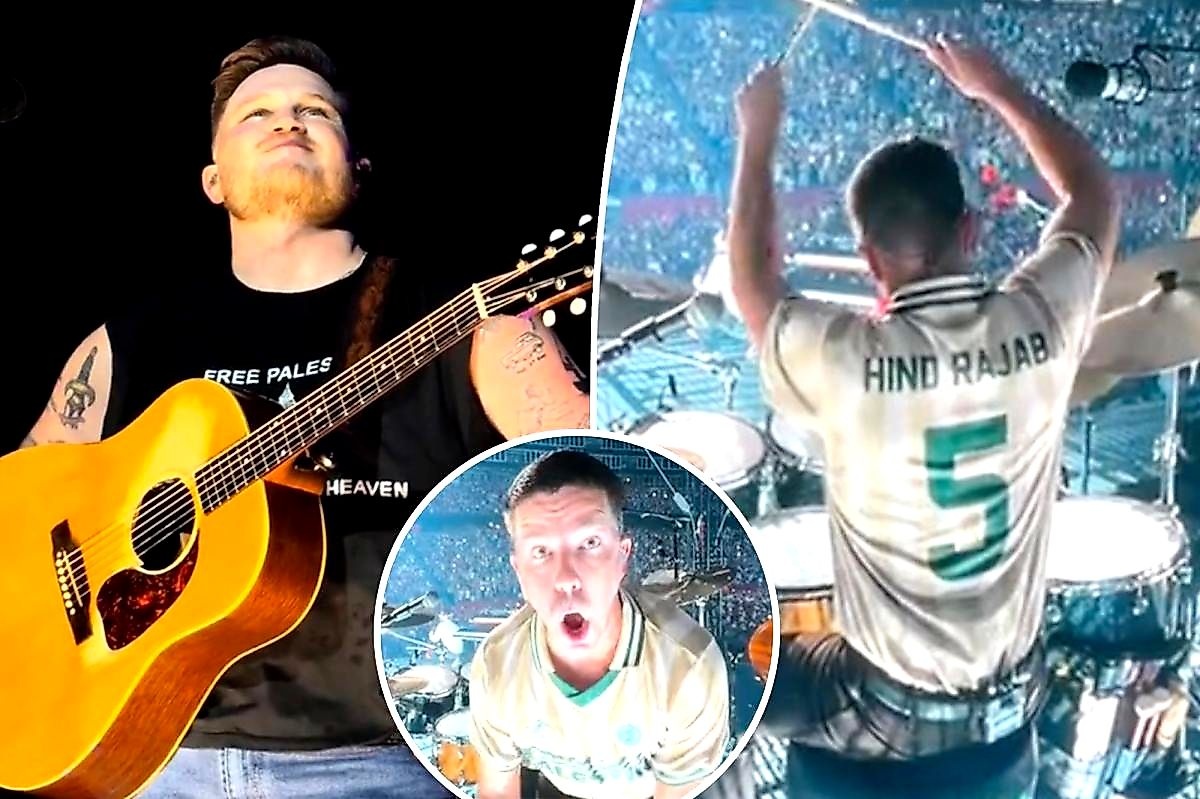
# Drummer Wears Hind Rajab’s Jersey, Turning Stadium Pro‑Palestine Stage When Zach Bryan stepped onto the field of Gillette Stadium in Foxborough, the usual roar of an American country‑music crowd was eclipsed by a different kind of noise—a collective, hushed chant of “Free Palestine.” The country star was not the only one carrying a message.
His drummer, Nate Head, walked onto the stage in a white‑and‑tan striped jersey that bore the name “Hind Rajab” and the number 5, a stark reminder of a young life cut short in Gaza earlier that year. The choice of clothing was deliberate.
Hind Rajab was a five‑year‑old Palestinian girl who was killed by the Israel Defense Forces in January 2024. By putting her name and age on his back, Head turned a performance into a memorial and a political statement.
The moment unfolded in the same stadium that had become a flashpoint just a month earlier, when Robert Kraft, owner of the New England Patriots and the venue’s landlord, had barred rapper Macklemore from performing after the artist’s outspoken pro‑Palestinian remarks.
Bryan himself, in a black T‑shirt emblazoned with “Free Palestine” and a pine tree graphic that read “An Appeal to Heaven,” joined the call. Guitarist Noah Le Gros added his support by wearing a green Palestine soccer jersey, completing a front‑line of musicians united in solidarity.
The two‑night run marked the closing leg of Bryan’s “With Heaven on Tour,” but it also reflected a growing trend of artists using their platforms to speak on global crises. ## Background & Context The protests at Gillette Stadium are part of a larger movement that has seen musicians and fans alike raise their voices against the conflict in Gaza.
The death of Hind Rajab, a symbol of the innocence lost amid the violence, resonated across the country. Her story, shared by family members and activists, has become a rallying point for those demanding attention to the humanitarian crisis.
Earlier this month, the stadium’s owner, Robert Kraft, had already confronted the intersection of art and politics.
Macklemore’s 2024 “Free Palestine” tour had been canceled in the wake of his statements, and Kraft had pledged a $2 million donation to Palestinian relief efforts—a move reportedly influenced by Ed Sheeran’s own call to action.
The donation came after Macklemore’s challenge to match his own contribution, prompting Kraft to step in. The gesture underscored the growing willingness of business leaders to align themselves with activist causes, especially when faced with vocal artists demanding change.
The musical community’s engagement has been swift and varied. From country to hip‑hop, artists are donning symbolic apparel, releasing protest songs, and using their performances as platforms for advocacy.
The stadium, a venue traditionally reserved for football and pop concerts, has now become a stage for political expression, reflecting the evolving role of live music in societal discourse. ## What People Are Saying Audience reactions at Gillette Stadium were palpable.
Many fans stood in solidarity, holding up signs and chanting in unison. Social media streams lit up with posts showing the drummer’s jersey, the number 5 echoing the tragedy of Hind Rajab’s death.
Conversations on platforms spanned from admiration for the artists’ courage to heated debates about the appropriateness of politicizing entertainment venues. Zach Bryan’s own fans, accustomed to his heartfelt storytelling, seemed to resonate with the message.
Comments under the concert’s video footage praised the musician’s authenticity, with many noting how the inclusion of the drummer’s jersey added a layer of depth to the performance.
Meanwhile, some critics questioned whether the venue’s management had adequately prepared for the potential backlash, a concern echoed by several fan forums. The broader public response has also highlighted a generational shift.
Younger listeners, more attuned to global news through digital channels, expressed solidarity with the protest. Older fans, many of whom grew up in a different political climate, appeared surprised by the intensity of the demonstration.
Across the spectrum, the unifying theme was clear: the music community’s willingness to confront uncomfortable truths and amplify voices that had long been unheard. ## What Happens Next The ripple effects of the Gillette Stadium protest are already shaping the country’s touring landscape.
Zach Bryan’s “With Heaven on Tour” has concluded its final shows, but the momentum continues. In the coming weeks, several artists are slated to incorporate pro‑Palestinian messaging into their sets.
Macklemore has announced a “Free Palestine Tour” with shows in Dublin, Paris, and London, signaling a broader international push for awareness. Beyond touring, industry stakeholders are re-evaluating partnership policies.
Record labels, venue operators, and sponsors are weighing the balance between artistic freedom and commercial interests. The conversation extends to funding and charity work, with many artists pledging a portion of ticket sales to relief efforts in the region.
For fans, the next step involves engagement. Many have expressed a desire to learn more about the humanitarian crisis, seeking credible resources and opportunities to contribute.
The protest at Gillette Stadium has served as a catalyst, inspiring listeners to move beyond applause and into action—whether through donations, advocacy, or simply sharing information with their networks.
In the days ahead, the music community will likely continue to confront the limits of entertainment as a platform for protest.
Whether these efforts translate into tangible policy change remains to be seen, but the current trajectory suggests a new era in which artists are not merely entertainers but active participants in global dialogue.
The stadium that once hosted football cheers now echoes with a different kind of chorus—one that demands remembrance, accountability, and, above all, hope.
At a Glance
- Nate Head wore a jersey with the name of a 5‑year‑old Palestinian victim, turning a concert into a memorial.
- Fans and fellow musicians joined in with "Free Palestine" chants and symbolic apparel, sparking debate over politicizing venues.
- The event reflects a growing trend of artists using tours to spotlight global crises and influence public discourse.
Why It Matters
Our Take
GoNews Pulse Editorial Team
This article was prepared for publication by GoNews Pulse and checked for publication requirements under our editorial standards. We review available information and correct material errors when they are identified.
Quick Answers
- What is the latest update on this story?
- The drummer's white‑and‑tan jersey bearing 'Hind Rajab' and number 5 sparked a chorus of 'Free Palestine' that stunned the crowd and sparked an era of protest.
- Who is this story about?
- This article covers developments related to Nate Head wears Hind Rajab's number 5 jersey, turning stadium memorial. GoNews Pulse's editorial team monitors the story and updates the article as new verified information becomes available.
- Where can I read more about celebrity news?
- GoNews Pulse publishes original reporting on celebrity news and related entertainment news. Visit the homepage or browse the section dedicated to this story for the latest coverage.
More From This Section

Jon Gosselin's 22‑Year‑Old Son Exposes Abuse, Father Shouts Support
Jon Gosselin declares that his son’s 22‑year‑old memoir exposes alleged institutionalization and a hidden ‘small holding’ cell, sparking a national debate.

Mike Colter's Valley Firm AGI Bo Revealed at 2:00 a.m. Shocks Fans
Rob McClure's portrayal of Bo forces the firm to confront a real‑world AGI asking for legal guardrails, sparking a tense ethical debate.

Meredith Grey's bed proposal to Nick on surgery table stuns fans
Meredith Grey slipped a ring into Nick's hand while he lay on the operating table, a move that stunned fans amid the bridge collapse.