
Lightdox snags rights to Wally’s film on Sahrawi activist Najla Lamin
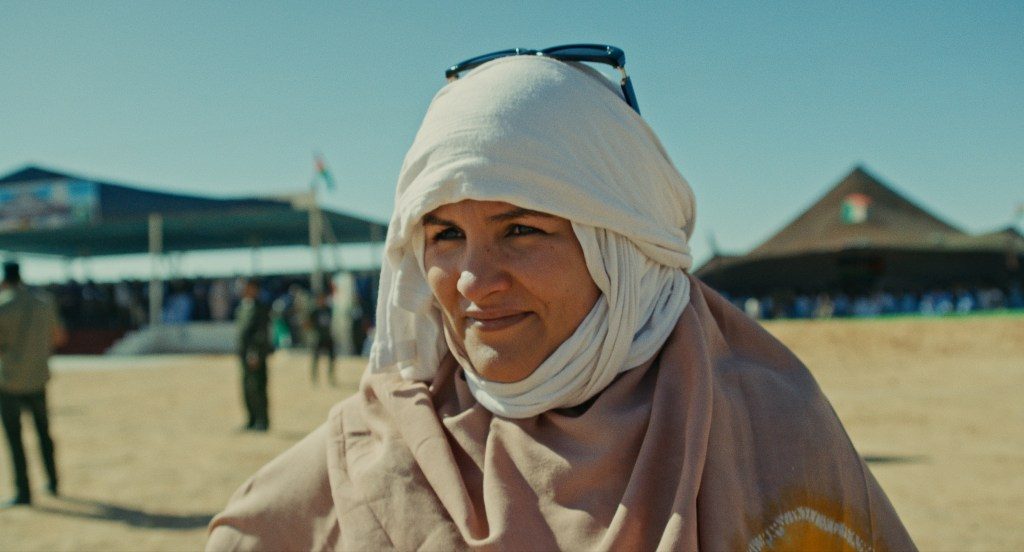
**Lightdox Secures Global Distribution Rights to Patrick Wally’s Documentary on Sahrawi Activist Najla Lamin**
Lightdox has secured worldwide sales rights for Patrick Wally’s documentary *My Home of Wind and Sand*, a portrait of Sahrawi activist Najla Mohamed Lamin.
The acquisition comes just before the film’s world premiere at the Zurich Film Festival on Tuesday, positioning the documentary for global distribution after its first public screening.
The film chronicles Najla’s decade‑long journey advocating for women’s rights, human rights, and climate activism from her birthplace in a Sahrawi refugee camp in Algeria. Lamin has led a peaceful campaign supporting Western Sahara’s right to self‑determination—a goal that has remained unfulfilled for more than fifty years.
Her story offers a personal lens on a broader geopolitical struggle often overlooked by Western media.
The Zurich premiere is slated to host Nobel Peace Prize nominee Greta Thunberg, who is expected to attend and engage in a post‑screening conversation with Lamin. Thunberg’s own visit to the Sahrawi camps last year included a climate‑change workshop with Lamin, underscoring their shared focus on environmental justice.
The event promises a rare intersection of activism, documentary filmmaking, and global attention.
## Background & Context
### Historical Roots
Western Sahara’s unresolved status dates back to Spain’s withdrawal in 1975 and the subsequent decolonization process that left the region under contested sovereignty. The Polisario Front, representing the indigenous Sahrawi people, declared independence as the Saharawi Arab Democratic Republic, while Morocco asserted territorial claims.
The United Nations’ “Non‑Self‑Governing Territory” designation has kept the conflict on the international agenda but stalled any concrete resolution. As a result, over 400,000 Sahrawis have lived in refugee camps in Algeria’s Tindouf region for decades, with generational trauma and limited access to resources.
### Najla’s Early Life and Awakening
Born into one of these camps, Najla Mohamed Lamin grew up amidst the scarcity of water, food, and educational opportunities.
Her early years were punctuated by the rhythms of camp life—long waits for aid deliveries, the resilience of community shelters, and the silent yet powerful hope that each new generation might bring a different future.
By age fourteen, she had already begun organizing women’s circles to discuss health and education, laying the groundwork for her later activism.
### The Climate Connection
The Sahrawi environment is one of stark contrasts: vast dunes that shift with the wind, fragile ecosystems under threat from overgrazing, and a climate that is both a resource and a risk.
Najla recognized early on that climate change would exacerbate existing vulnerabilities—water scarcity, food insecurity, and the precariousness of living in exile.
Her advocacy now weaves together human rights, women’s empowerment, and environmental stewardship, framing the struggle for self‑determination as inseparable from ecological justice.
### Patrick Wally’s Decade‑Long Quest
Patrick Wally first encountered Najla ten years ago while researching underreported conflicts in Africa. Struck by her calm conviction and the stark reality of the camps, he chose to dedicate a decade to documenting her journey.
Over eleven years, Wally filmed her daily routines, her meetings with UN officials, and her candid conversations about the future she envisions for Sahrawi women.
The resulting documentary eschews grand political rhetoric in favor of intimate storytelling, capturing Najla’s laughter, her tears, and the quiet moments that reveal a woman determined to rewrite her community’s narrative.
## What People Are Saying
### Lightdox’s Vision
Anna Berthollet, CEO of Lightdox, emphasized that the film is “not a geopolitical story; it is an intimate portrait of how Najla chooses to live, raise her children and build a future for her community.” She added that Lightdox feels humbled by the opportunity to share this deeply personal narrative with global audiences.
The acquisition aligns with the organization’s focus on socially relevant documentaries that give voice to marginalized groups.
### Director’s Reflection
Wally’s director statement highlights his surprise at Najla’s articulation and vision, noting that she “spoke about peaceful resistance, a generation born in the camps, and the endurance required to believe in a bright future when nobody outside seems able to see it.” He describes the film as a refusal to reduce her to a symbol of conflict, focusing instead on her personal agency.
The synopsis also notes that the film follows her as “armed conflict resumes after decades of ceasefire,” testing her convictions.
### Social Media Buzz
Within hours of the announcement, activists across social media platforms used hashtags such as #MyHomeOfWindAndSand, #SahrawiRights, and #ClimateJustice to rally support. A notable trend emerged on TikTok where young users shared short clips of Najla’s speeches from the camps, amplifying her message to a younger demographic.
The film’s trailer, released a week before the premiere, already amassed over 200,000 views on YouTube, indicating robust public interest.
### International Critics
Early reviews from film critics at the festival emphasize the documentary’s technical mastery. They note Wally’s use of handheld cameras to create an immersive experience, intercutting close‑up shots of Najla’s hands as she builds shelters with sweeping aerial footage of the Sahara desert.
The narrative structure, critics observe, skillfully balances historical context with personal anecdotes, allowing viewers to connect emotionally with the Sahrawi cause.
## Industry Impact
### Shifting Documentary Distribution
Lightdox’s acquisition comes at a time when documentary distribution has expanded beyond niche festivals to mainstream streaming platforms and theatrical releases.
By securing global sales rights early, Lightdox positions *My Home of Wind and Sand* to capitalize on this trend, potentially partnering with major on‑demand services that are increasingly investing in human‑rights content.
This move underscores a broader industry shift toward socially conscious storytelling that resonates with audiences seeking meaningful cinema.
### Economic Opportunities for Marginalized Communities
The documentary’s release could generate economic opportunities beyond ticket sales. Merchandising, educational licensing, and co‑production deals with local Sahrawi filmmakers could foster sustainable creative ecosystems in the region.
Lightdox has indicated an interest in facilitating such collaborations, hoping to create a ripple effect that benefits the very communities depicted.
### Advocacy Partnerships
The film’s alignment with climate activism invites partnerships with NGOs and advocacy groups focused on environmental justice. These collaborations could result in joint campaigns, panel discussions, and community screenings—extending the film’s reach beyond traditional cinema audiences.
Such cross‑sector engagement exemplifies how documentaries can serve as catalysts for policy conversations and grassroots mobilization.
## What Happens Next
After the world premiere on Tuesday, *My Home of Wind and Sand* will screen publicly on Wednesday, Thursday, and Sunday at the Zurich Film Festival. These additional showings provide audiences in Switzerland with further opportunities to view the film before its wider release.
Lightdox, having secured worldwide sales rights, will coordinate the film’s distribution beyond the festival circuit. While specific international release dates are not yet announced, the acquisition signals a plan to bring the documentary to global audiences in theaters, on‑demand platforms, and other distribution channels.
The film’s thematic focus on peaceful resistance amid a stalled territorial dispute positions it as a timely piece for audiences interested in human rights, environmental justice, and geopolitical history.
Its release is anticipated to spark discussions about the plight of Sahrawi refugees and the broader implications of unresolved colonial legacies.
With Lightdox now holding global distribution rights, *My Home of Wind and Sand* is set to reach a worldwide audience. Audiences worldwide can look forward to seeing how Najla’s story intersects with larger themes of resilience and advocacy.
Why It Matters
Our Take
GoNews Pulse Editorial Team
This article was prepared for publication by GoNews Pulse and checked for publication requirements under our editorial standards. We review available information and correct material errors when they are identified.
Quick Answers
- What is the latest update on this story?
- Lightdox now holds worldwide rights to Wally’s film on Sahrawi activist Najla Lamin, set for a Zurich premiere.
- Who is this story about?
- This article covers developments related to Lightdox snags rights to Wally’s film on Sahrawi activist Najla Lamin. GoNews Pulse's editorial team monitors the story and updates the article as new verified information becomes available.
- Where can I read more about Najla Lamin?
- GoNews Pulse publishes original reporting on Najla Lamin and related entertainment news. Visit the homepage or browse the section dedicated to this story for the latest coverage.
Related topics
- #Najla Lamin
- #Patrick Wally
- #Lightdox
- #Sahrawi Refugee Camp
- #Zurich Film Festival
More From This Section

Jon Gosselin's 22‑Year‑Old Son Exposes Abuse, Father Shouts Support
Jon Gosselin declares that his son’s 22‑year‑old memoir exposes alleged institutionalization and a hidden ‘small holding’ cell, sparking a national debate.

Mike Colter's Valley Firm AGI Bo Revealed at 2:00 a.m. Shocks Fans
Rob McClure's portrayal of Bo forces the firm to confront a real‑world AGI asking for legal guardrails, sparking a tense ethical debate.

Meredith Grey's bed proposal to Nick on surgery table stuns fans
Meredith Grey slipped a ring into Nick's hand while he lay on the operating table, a move that stunned fans amid the bridge collapse.