
Mohamed Mounir's 40-Year Renaissance Becomes Doha Biopic, Stuns Fans
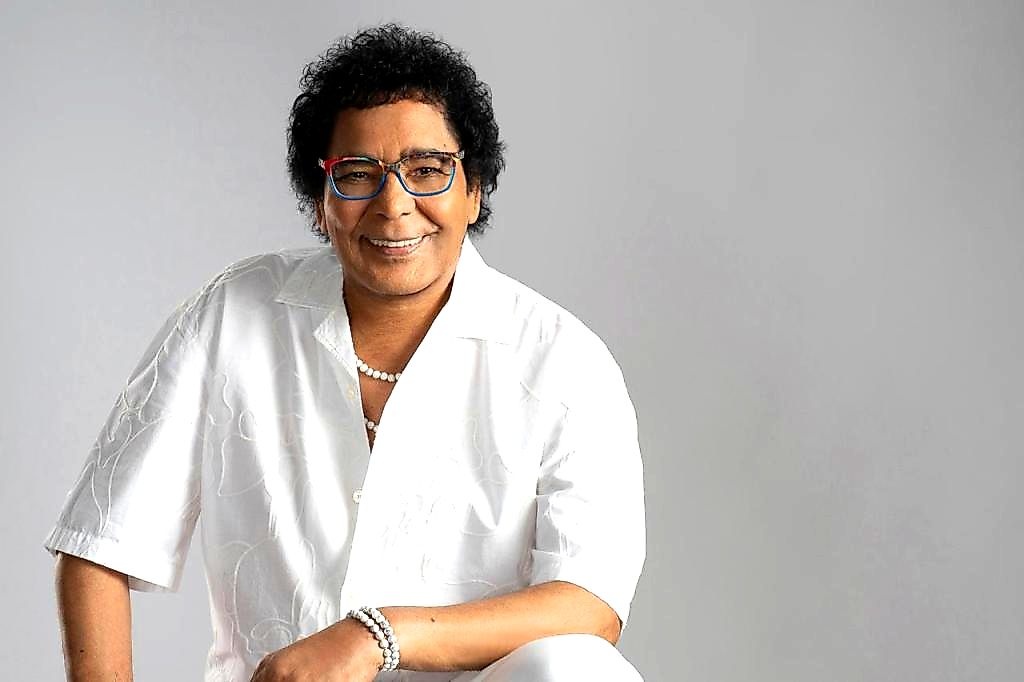
# Mohamed Mounir's 40-Year Legacy Ignites Big Screen Biopic in Doha The cultural pulse of Egypt and the wider Arab world is set to beat anew as the Film Committee at Media City Qatar unveils a sweeping biopic on the legendary singer‑songwriter Mohamed Mounir.
In a packed session of Doha Industry Days, the committee revealed it has secured the rights to dramatise the life of the artist whose name has become synonymous with the very idea of musical renaissance.
The project will be brought to life in partnership with a leading regional studio, though the identity of that collaborator remains under wraps for now. Mounir’s story is one of humble origins, artistic audacity, and an unrelenting drive that carved a niche across five decades of music, film and television.
From his breakthrough 1981 album “Shababeek” to his 1998 “El King” persona, his catalog blends Nubian folk rhythms with Arabic pop while layering jazz, blues and reggae undercurrents.
He is equally respected on the silver screen, having worked with celebrated director Youssef Chahine on films such as “Egyptian Story” (1982) and “Destiny”, the latter of which competed at Cannes in 1997 and was later selected as Egypt’s entry for the Oscars.
This multifaceted career has made Mounir a household name, a cultural bridge between generations, and a symbol of artistic resilience that now seeks a cinematic tribute.
The announcement came on the heels of the Committee’s update on the biopic “Caesar”, a dramatic retelling of Syrian whistleblower Farid Al‑Madhhan’s story. With Taim Hasan now attached as the star of that project, the film community’s attention was already focused on the Committee’s broader ambitions.
The Doha announcement signals a pivot toward capturing regional icons whose stories resonate across borders, a strategy that positions Qatar as a growing hub for biographical storytelling in the Arab world. ## Background & Context Mohamed Mounir’s journey began in a small Nubian village in southern Egypt, a place that would later be submerged to make way for the Aswan Dam in the 1960s.
His family’s relocation to Cairo marked the first of many transitions that would shape his destiny.
It was during a family gathering, in the cramped, sun‑lit quarters of their new home, that Mounir’s raw vocal talent first drew attention, setting him on a path that would see him become one of the region’s most distinctive voices. In 1981, the release of “Shababeek” catapulted Mounir into the national spotlight.
The album’s fusion of traditional Nubian melodies with contemporary pop, underscored by jazz and reggae riffs, distinguished him from his peers and earned him a dedicated fan base that spanned the Middle East and North Africa.
Over the next two decades, he continued to evolve, culminating in his 1998 “El King” era, during which he released the album “El Malek Howwa El Malek” and staged a play of the same name. The moniker “El King” became shorthand for his status as an emblem of artistic sovereignty and cultural pride.
Beyond music, Mounir’s cinematic footprint is equally notable. With roughly twenty film credits to his name, he forged a lasting partnership with director Youssef Chahine.
Their collaborations include the critically acclaimed “Egyptian Story” (1982) and “Destiny”, which not only competed in the “Out of Competition” section at Cannes in 1997 but also secured Egypt’s official submission for the Academy Awards that same year.
These ventures underscore Mounir’s versatility and the cross‑media appeal that made his story a compelling subject for a biopic. ## What People Are Saying The Film Committee’s announcement was met with a chorus of admiration and anticipation from industry insiders and fans alike.
The committee’s chair, Hassan Al Thawadi, emphasized the cultural weight of Mounir’s music: “Mohamed Mounir’s music holds a special place in the lives of audiences across Egypt and the Arab world,” he said.
“Bringing his story to the big screen is an opportunity to celebrate his artistry, the cultural heritage he represents, and its lasting social relevance.” Industry voices echo this sentiment, noting that the biopic is part of a broader strategy to foreground regional life stories.
“This project builds on our recent investment in extraordinary narratives from the region and reflects our ambition to develop a world‑leading slate of biographical films,” Al Thawadi continued.
By positioning the film within a global context, the committee hopes to attract international distributors and tap into the growing appetite for stories that explore cultural identity and artistic innovation.
Fans across the Arab world have responded with enthusiasm, many recalling how Mounir’s songs marked personal milestones—from first loves to civic celebrations.
Social media buzz, while not dominated by a single outlet, hints at a widespread eagerness to see how the biopic will portray key moments: the moment Mounir discovered his voice in Cairo’s modest family home, his breakthrough at “Shababeek”, and his rise to the “El King” persona.
The anticipation is tempered by curiosity about the choice of actor who will embody Mounir’s magnetic presence, as the hunt for a suitable performer is now underway. ## What Happens Next Development of the biopic is still in its early stages, and the committee has outlined several parallel initiatives to ensure a comprehensive portrayal.
Alongside the feature film, a behind‑the‑scenes documentary is planned, featuring interviews with Mounir himself and colleagues who have worked closely with him.
These interviews aim to capture the creative process behind the biopic, shedding light on both the artistic choices and the logistical challenges of recreating a life that spans five decades. The selection of the lead actor will be a pivotal decision, as the film must balance authenticity with star power.
The committee has not yet disclosed its shortlist, but the search is expected to be rigorous, involving auditions, workshops, and consultations with Mounir’s family and collaborators to ensure that the portrayal respects the legend’s complexity.
The timeline for the project remains tentative; however, early indications suggest that pre‑production may begin within the next 12 to 18 months, with principal photography slated for the following year.
Beyond production, the film’s distribution strategy will likely involve regional film festivals and partnerships with broadcasters in the Middle East, Europe, and North America.
By targeting a broad audience that includes both diaspora communities and new international viewers, the biopic aims to cement Mounir’s legacy on a global stage.
The committee’s statement underscores this vision: “This story connects generations of fans across the region and has the power to resonate with audiences around the world.” In a landscape where biopics often risk oversimplification, the Committee’s emphasis on untold details, surprises, and anecdotes suggests a commitment to depth.
By exploring Mounir’s journey from a Nubian village to the pinnacle of Arab cultural influence, the film promises to offer fresh insights into a figure whose music has shaped the soundtrack of a generation.
The film’s progress will be closely watched by both industry insiders and music lovers, as it stands to redefine how regional stories are told on the global cinematic stage.
For fans of Mohamed Mounir, the coming months will offer a chance to relive the sounds that defined an era, now reframed through the lens of a national treasure’s own story.
At a Glance
- Doha's Media City Qatari Film Committee secures rights to 40‑year legacy of Mohamed Mounir, Egypt's iconic singer‑songwriter.
- The biopic, part of a broader strategy to showcase regional icons, will also include a behind‑the‑scenes documentary featuring Mounir himself.
- Lead actor still to be announced; pre‑production slated for next 12‑18 months with worldwide distribution ambitions.
Why It Matters
Our Take
GoNews Pulse Editorial Team
This article was prepared for publication by GoNews Pulse and checked for publication requirements under our editorial standards. We review available information and correct material errors when they are identified.
Quick Answers
- What is the latest update on this story?
- The committee says the biopic will feature a rare behind‑the‑scenes documentary with Mounir himself, sparking fans' excitement ahead of Doha's premiere.
- Who is this story about?
- This article covers developments related to Mohamed Mounir's 40-Year Renaissance Becomes Doha Biopic, Stuns Fans. GoNews Pulse's editorial team monitors the story and updates the article as new verified information becomes available.
- Where can I read more about celebrity news?
- GoNews Pulse publishes original reporting on celebrity news and related entertainment news. Visit the homepage or browse the section dedicated to this story for the latest coverage.
More From This Section

Macy’s 100th Parade moves Thanksgiving to Saturday, rattling NYC
The post notes that a 40‑mph wind forecast and high surf could endanger balloons, prompting organizers to shift the event to a safer Saturday.

Brad Pitt & Angelina Jolie End 8-Year Miraval War, $10M Settlement
The exes' joint statement confirmed a confidential $10 million settlement, ending a courtroom saga that rattled Hollywood's wine industry.

Ezra Frech, 27, wins DWS as youngest champion and first amputee
The finale drew 9.2 million live‑plus‑same‑day viewers, matching last year’s numbers and smashing a 2.38 rating in the 18‑49 demo that fans still replay.