
Miquita Oliver Exposes How Losing Channel 4 Dumped Her Into Homeless
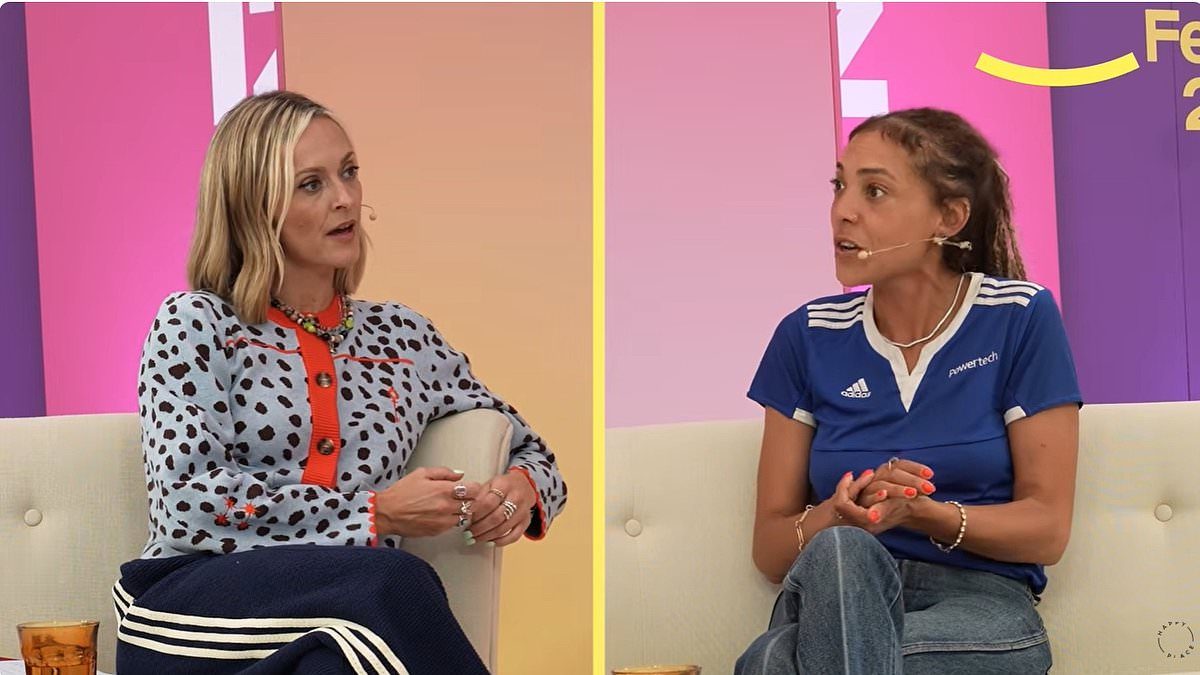
Miquita Oliver, the former host of Channel 4’s weekend youth programme **T4** (2006‑2010), recently spoke candidly on the *Happy Place* podcast about a dark chapter in her life.
She revealed that when her television career abruptly ended, she was left **homeless and penniless**, all while still living under the public eye.
Oliver admitted that losing high‑profile gigs and enduring relentless scrutiny pushed her into a spiral of heavy drinking, a struggle she battled throughout her late twenties and early thirties.
During the interview, Oliver reflected on why she often found herself in a haze of intoxication: “I had to ask myself why I always wanted to be in that haze of being drunk.
There was such a long time of drinking to celebrate your success.” She described how the loss of jobs and fame left her **without work or money**, yet everyone still knew who she was—a stark illustration of how public recognition can coexist with private despair.
## Background & Context
Miquita Oliver’s media journey began when she joined **T4** as a presenter, a role that made her a familiar face on Channel 4’s daytime schedule. She had previously hosted shows on BBC Radio 1 and appeared in various music‑related programmes.
Her vibrant personality and youthful energy earned her a loyal fan base, but the same visibility also exposed her to intense scrutiny.
In **2005**, Oliver was dismissed from a BBC Radio 1 slot after a controversial interview with a music magazine. She had suggested that presenter Fearne Cotton “should get rid of the she‑devil,” a remark that was widely criticised. Although she later issued an apology, the incident foreshadowed a rapid decline in her broadcasting career.
The following year, Oliver’s stint on **T4** ended after she was overheard mocking pop star Kesha behind her back. The controversy led to her immediate dismissal and marked the beginning of a series of professional setbacks.
Despite being still well known, she was now left jobless and financially vulnerable—an unsettling combination for anyone, let alone a public figure.
## The Downfall and Bankruptcy
By **2012**, Oliver faced a crippling £170,000 tax bill that forced her to liquidate personal belongings and declare bankruptcy. She openly admitted on the television documentary series *Young, British & Broke* (2013) that she had been ashamed of the situation for two years.
In a heartfelt confession, she said, “At 17 I was earning money I didn’t know how to handle and before I knew it I owed thousands to the taxman.”
The debt eradicated her London flat, leaving her **living on her mum’s sofa** and feeling like a failure, even though she had been at the height of her career. Oliver’s story highlighted how sudden financial collapse can leave even high‑profile individuals without shelter or support.
Her bankruptcy left her in what she described as “a financial mess I would never get out of.” The experience made her realise that fame does not guarantee security and that personal finances can be fragile when mismanaged.
## Fan Reaction
Oliver’s revelations resonated deeply with her audience. Social media buzzed with a mix of empathy and support. Fans on Twitter expressed admiration for her honesty: “Miquita, thank you for being real.
We’ve seen the glamorous side, but it’s brave to show the struggle.” Instagram posts featuring messages of encouragement flooded her feeds, and many shared personal stories of similar hardships.
Some fans, however, felt a sense of betrayal over her past controversies. Comment threads reflected a split sentiment—while many celebrated her vulnerability, others remembered the earlier incidents that had led to her dismissal.
The conversation underscored how public figures navigate the delicate balance between past missteps and present redemption.
## Industry Impact
Oliver’s story coincided with growing industry awareness of mental health and financial well‑being among media professionals. Her transparency spurred broadcasters to reevaluate support systems for talent facing sudden career changes.
Channel 4, after her departure, introduced a **wellness initiative** for presenters, offering counseling services and financial planning workshops. The initiative aimed to prevent situations similar to Oliver’s from occurring again. Similarly, the BBC reinforced its policies on public conduct and amplified training on media ethics.
Her case also prompted a broader discussion about how the industry handles public controversies. Critics argued that swift punitive measures—like immediate dismissal—can overlook underlying issues such as mental health struggles, leading to a “no‑second‑chance” culture.
The debate continues, with advocacy groups pushing for more holistic approaches to talent management.
## Recovery and Current Life
Since the height of her public profile, Oliver has worked diligently to rebuild her life. In **2022** she moved into a flat in Clapton, east London, close to her mother’s home. “Now I live in the best flat that I would have never dreamt of existing,” she said with newfound confidence.
The new apartment represents a turning point and a chance to reset her living situation.
Oliver also reflected on the supportive role of family during her lowest moments. She recalled living with her mother and grandmother while homeless: “We start watching documentaries every night. We go on these long walks with the dogs.
We have this time that I will never forget now.” The presenter credits her family’s presence for helping her navigate the darkest period of her life.
She has also engaged in speaking engagements and charity work focused on mental health awareness, using her platform to advocate for those in similar positions. In interviews, she stresses that recovery is an ongoing process: “Stability isn’t a destination; it’s a journey with ups and downs.
The key is honest self‑reflection and surrounding yourself with people who lift you.”
## Looking Forward
Today, Miquita Oliver stands as resilience. While she continues to speak openly about her past struggles, she is also focused on maintaining stability and sharing her story responsibly.
Her experience serves as a reminder that public personas can mask serious personal battles and that recovery often hinges on support systems and honest self‑reflection.
The ripple effects of her journey extend beyond personal redemption. Her candidness has sparked conversations about mental health, financial literacy, and media accountability.
For fans, industry professionals, and anyone grappling with similar challenges, Oliver’s story offers a powerful narrative of vulnerability, perseverance, and hope.
Why It Matters
Our Take
GoNews Pulse Editorial Team
This article was prepared for publication by GoNews Pulse and checked for publication requirements under our editorial standards. We review available information and correct material errors when they are identified.
Quick Answers
- What is the latest update on this story?
- She shows how a single career setback forced her to sleep on a park bench, fight cravings, and still keep hope alive.
- Who is this story about?
- This article covers developments related to Miquita Oliver Exposes How Losing Channel 4 Dumped Her Into Homeless. GoNews Pulse's editorial team monitors the story and updates the article as new verified information becomes available.
- Where can I read more about Miquita Oliver?
- GoNews Pulse publishes original reporting on Miquita Oliver and related entertainment news. Visit the homepage or browse the section dedicated to this story for the latest coverage.
Related topics
- #Miquita Oliver
- #Channel 4
- #Homelessness
More From This Section

Netflix's $277k box office break shatters streaming dominance
The film earned $108.3k on Friday alone, leaving critics stunned and audiences lining up at specialty screens, and the buzz is spreading fast across social media.

Courteney Cox 62 Turns Heads in Black Bikini on Hawaiian Beach
At Jennifer Meyer’s wedding, 62‑year‑old Courteney Cox stunned guests in a sleek black bikini, revealing a new fitness‑focused lifestyle that fans are buzzing about.

Steve Kazee's 'We Got You' Post Spurs Jenna Dewan After Val Suspension
Kazee wrote, 'Every time I think I can’t love you more…' as Jenna faced a sudden partner change right before the live finale.