
Mike Flanagan Drops Bucket of Blood on Carrie 4 Times, Keeps Her Alive
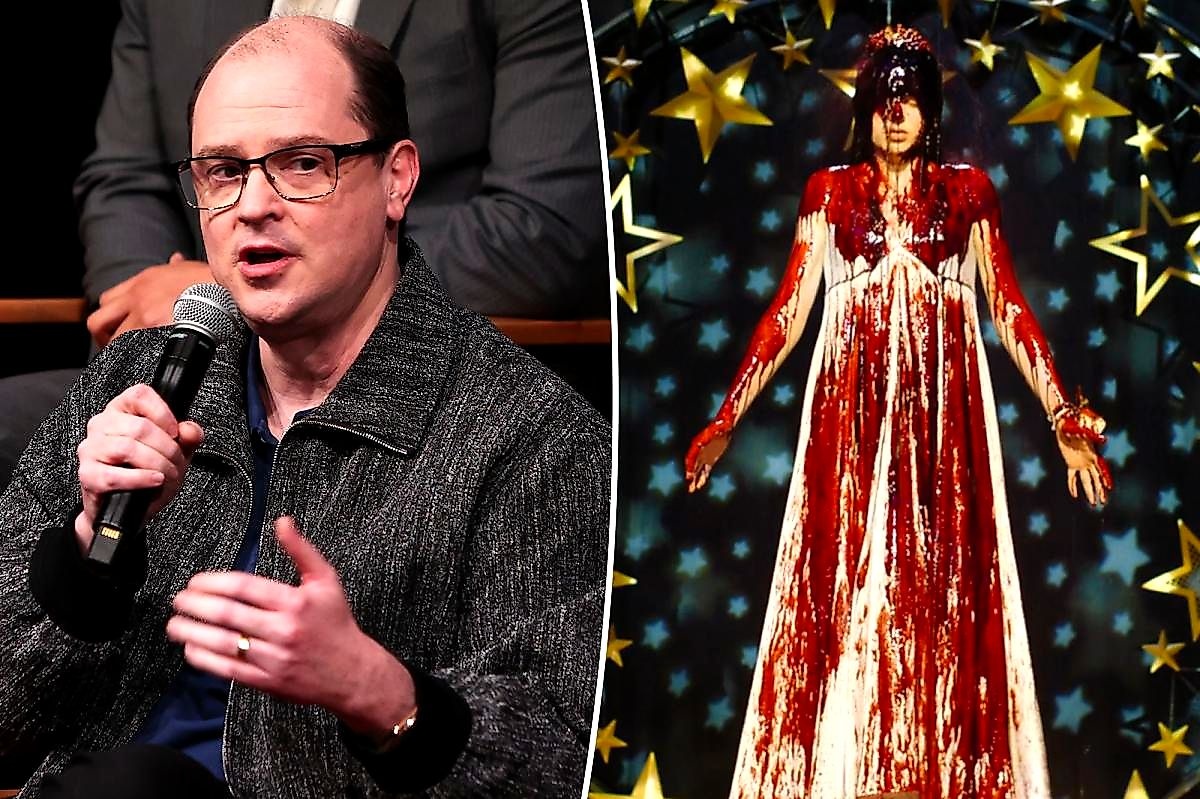
**Mike Flanagan’s Bloody Take on Carrie Leaves Fans After 4 Takes** The new Amazon Prime Video miniseries “Carrie” has rattled the high‑school horror canon, but none of the shock is as visceral as the four blood‑heavy takes that made the cast and crew sweat for weeks.
For director‑producer Mike Flanagan, reimagining the infamous prom night that made 1976’s film a cultural touchstone was not just a creative challenge—it felt like a dare against a legacy that has outlived the original script.
The result is a modern, gritty take that stays true to Stephen King’s core horror while injecting fresh psychological depth and a twist that keeps audiences guessing. The series, which premiered on Prime Video this spring, reintroduces Carrie White—now played by Summer H.
Howell—as a shy, bullied teen who discovers her telekinetic powers in a world that has replaced hallway torment with Instagram drama.
Flanagan’s adaptation diverges from the book and film in a key respect: Carrie survives the night of carnage, opening a door to a possible future that the creator hints could be explored in a follow‑up season.
His decision to keep the protagonist alive has sparked debate among fans and critics alike, many of whom were hoping for a more faithful re‑creation of the original ending. Beyond narrative choices, the production itself pushed the boundaries of practical effects.
Flanagan’s crew tested multiple types of blood—water‑based for a natural drip and viscous for a sticky residue—so that every drop would fall exactly where the camera intended. They used a bucket of blood a record four times on the set, each time recalibrating the angle to avoid a stray splash that would ruin the shot.
The scene demanded a level of choreography and physical endurance that tested both the actors and the crew, with Howell covering herself in blood for lunch and the production using a large plastic tarp to protect a set chair.
These behind‑the‑scenes details give the show its raw, cinematic quality and highlight the meticulous planning required to recreate a horror icon for a new generation. ## Background & Context Mike Flanagan has earned a reputation for turning Stephen King material into haunting, character‑driven television.
After helming “The Haunting of Hill House” and “Midnight Mass,” he approached “Carrie” with the intention of both honoring the original and expanding its universe.
The original 1974 novel, adapted into a 1976 film starring Sissy Spacek, introduced a teenage girl who turns society’s cruelty back on its perpetrators with a supernatural burst of vengeance. The prom scene, where a cruel prank turns deadly, is perhaps the most iconic moment in horror history.
Flanagan’s modern rendition shifts the setting into a hyper‑connected world where social media amplifies bullying, making the stakes feel both immediate and eerily familiar. Flanagan’s choice to involve Stephen King as an executive producer speaks to the collaborative nature of the project.
Yet he noted that King’s approval was less about the specifics of the adaptation and more about the overall vision.
“He was very excited about the idea of placing Carrie in a broader context of powerful women,” Flanagan explained, a nod to the episode openings that introduce other female characters with their own gifts.
This approach expands the mythos, suggesting that Carrie is part of a lineage of gifted women, thereby adding layers to the story’s feminist underpinnings.
A deliberate decision shaped another key element of the series: the directors for each episode were women, including Flanagan’s wife, Kate Siegel, and actress‑turned‑director Kyra Sedgwick.
Flanagan said the rationale was straightforward—this is a tale about a young woman’s rise and fall, and it made sense to let female storytellers guide that narrative. “I thought it was essential for this story of a young woman to be told by people who understood what it means to be a woman,” he said.
The choice not only reinforced the series’ thematic focus on female empowerment but also added a unique voice to the storytelling. The prom scene itself is a technical tour de force.
Flanagan’s team created a “very watery” blood that would drip off the character’s shoulders while a “stickier” variant stayed in place for dramatic effect. They dropped a bucket of blood on Howell’s body a record four times, each attempt requiring precise adjustments.
“If we got the angle wrong by two inches, we had to scrap that take because the blood ran down her back instead of her face,” Flanagan recounted.
The result was a visceral, unfiltered moment that stayed true to the original’s horror while presenting it with contemporary visual polish. ## What People Are Saying Fans who streamed the miniseries have been divided over the decision to keep Carrie alive.
Some viewers praised the unexpected twist, arguing that it adds stakes for future storytelling and keeps the narrative open-ended. Others lament that the ending feels too convenient, a deliberate departure from the “all‑for‑one” fatality that defined the 1976 film.
The online conversation has spilled onto social media, where hashtags referencing “#CarrieSurvives” and “#FlanaganTwist” have trended on platforms like Twitter and Reddit.
Industry analysts point out that Flanagan’s approach reflects a broader trend in horror: moving away from tidy, definitive conclusions toward ambiguous, character‑driven endings that mirror the complexity of modern adolescence.
“By letting Carrie live, Flanagan invites a deeper exploration of trauma, resilience, and the consequences of power,” one critic noted. This interpretation underscores the show’s ambition to not just recreate a classic scene but to interrogate its underlying themes in a contemporary context.
Meanwhile, the production’s use of practical effects has been lauded by special‑effects aficionados. They highlight the meticulous planning behind the blood‑heavy scenes and the physical endurance required of the cast.
“It’s the craft of horror filmmaking,” an effects supervisor explained, “when a crew goes to the lengths of multiple takes and custom blood mixtures to achieve authenticity.” The conversation around practical versus CGI effects has resurfaced, with many arguing that live blood scenes create a more visceral impact on viewers—a claim that Flanagan’s team seemingly embraced.
Social media also buzzed with discussions about the series’ feminist narrative. The inclusion of powerful women in each episode’s opening sets up a lineage that extends beyond Carrie.
Some viewers celebrated this shift, noting that it transforms the story from a simple revenge tale into a broader commentary on female agency and supernatural responsibility.
Others questioned whether the series fully capitalized on this potential, arguing that the show could have delved deeper into the history and dynamics of these women’s powers.
Nonetheless, the conversation highlights the series’ willingness to reframe an established story for a modern audience. ## What Happens Next Flanagan has made it clear that there is no concrete roadmap for a second season.
“I don’t have a plan or a map for more seasons,” he said, hinting at an open‑ended future that could be shaped by audience reception and creative inspiration.
The decision to leave Carrie’s fate ambiguous in the first season suggests that the series may become a platform for exploring the long‑term repercussions of her powers and the legacy of the other gifted women introduced.
As the miniseries continues to circulate on Prime Video, creators and fans alike are already speculating about possible storylines. Will Carrie become a mentor figure for a new generation of telekinetic teens?
How will the series handle the moral complexity of wielding such power in a world driven by digital interactions? Will the show tie in more directly with Stephen King’s broader universe, perhaps referencing the “Carrion Eaters” or other supernatural elements that appear in King’s works?
For now, the series leaves its audience at a crossroads, echoing the same tension that fueled the original film’s infamous prom night. Flanagan’s choice to keep Carrie alive not only preserves the horror’s legacy but also invites viewers to imagine what comes next.
The series has sparked a renewed conversation about the balance between homage and innovation in horror storytelling, ensuring that “Carrie” remains a touchstone for both fans of the classic and newcomers drawn to its fresh, unflinching take.
The next chapter—whether a continuation on Prime Video or a different creative direction—remains unwritten. But the blood‑stained legacy of Carrie’s prom night is indelibly etched into the annals of horror, proving that a well‑executed scene can echo far beyond its initial broadcast.
At a Glance
- Flanagan’s decision to keep Carrie alive redefines the classic ending and opens doors for future storytelling.
- The series pushed practical effects to extremes, using custom blood and four bucket drops to achieve a visceral, authentic prom scene.
- Female directors helm each episode, reinforcing the show’s feminist narrative and empowering representation behind the camera.
Why It Matters
Our Take
GoNews Pulse Editorial Team
This article was prepared for publication by GoNews Pulse and checked for publication requirements under our editorial standards. We review available information and correct material errors when they are identified.
Quick Answers
- What is the latest update on this story?
- Flanagan revealed that every drop of his custom blood had to hit a precise spot, so he dropped a bucket on Carrie’s body four times to get it just right.
- Who is this story about?
- This article covers developments related to Mike Flanagan Drops Bucket of Blood on Carrie 4 Times, Keeps Her Alive. GoNews Pulse's editorial team monitors the story and updates the article as new verified information becomes available.
- Where can I read more about celebrity news?
- GoNews Pulse publishes original reporting on celebrity news and related entertainment news. Visit the homepage or browse the section dedicated to this story for the latest coverage.
More From This Section
Netflix's $277k box office break shatters streaming dominance
The film earned $108.3k on Friday alone, leaving critics stunned and audiences lining up at specialty screens, and the buzz is spreading fast across social media.
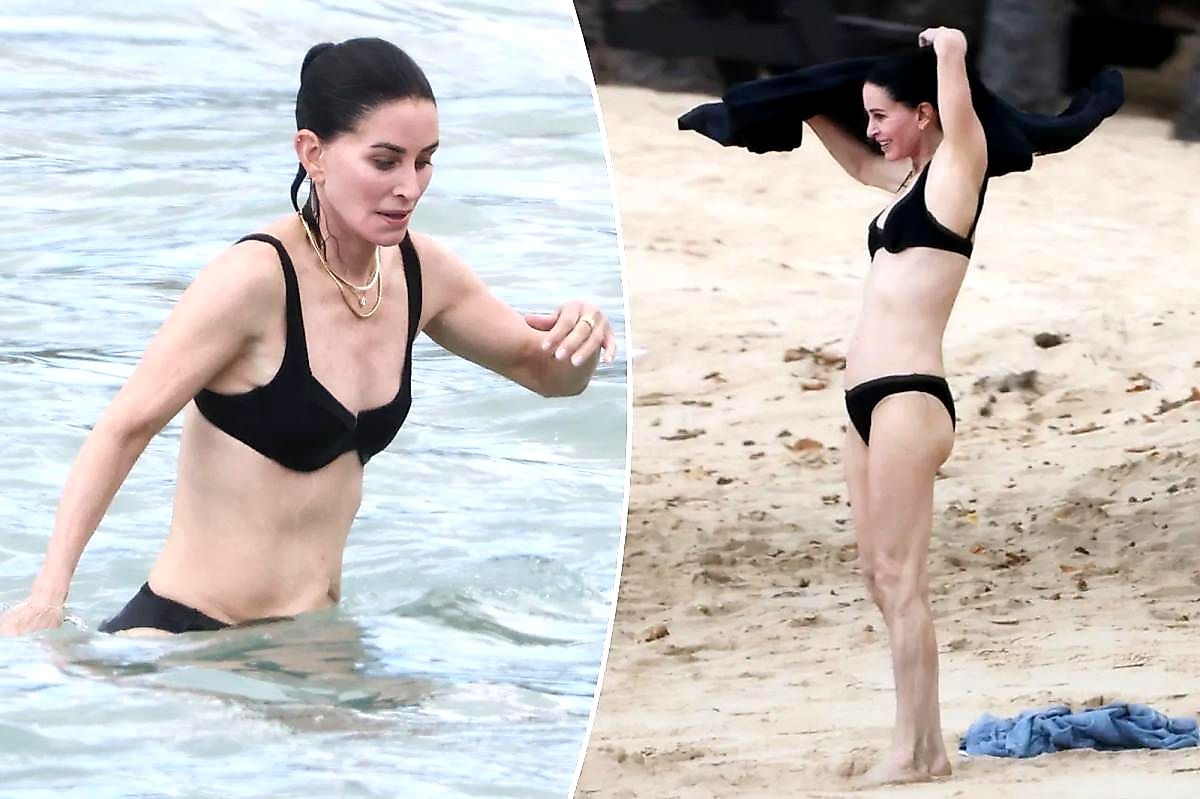
Courteney Cox 62 Turns Heads in Black Bikini on Hawaiian Beach
At Jennifer Meyer’s wedding, 62‑year‑old Courteney Cox stunned guests in a sleek black bikini, revealing a new fitness‑focused lifestyle that fans are buzzing about.
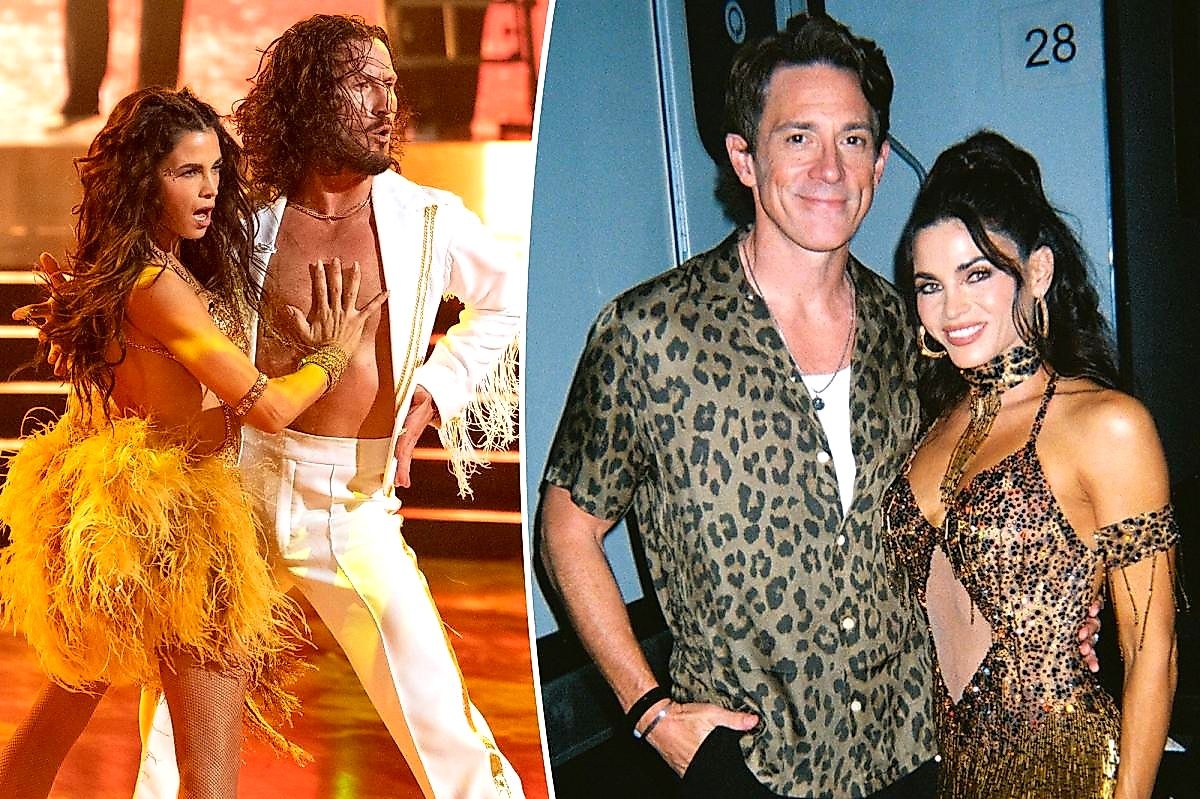
Steve Kazee's 'We Got You' Post Spurs Jenna Dewan After Val Suspension
Kazee wrote, 'Every time I think I can’t love you more…' as Jenna faced a sudden partner change right before the live finale.