
Menendez Brothers' 2027 Hearing—Could 37-Year Imprisonment End?
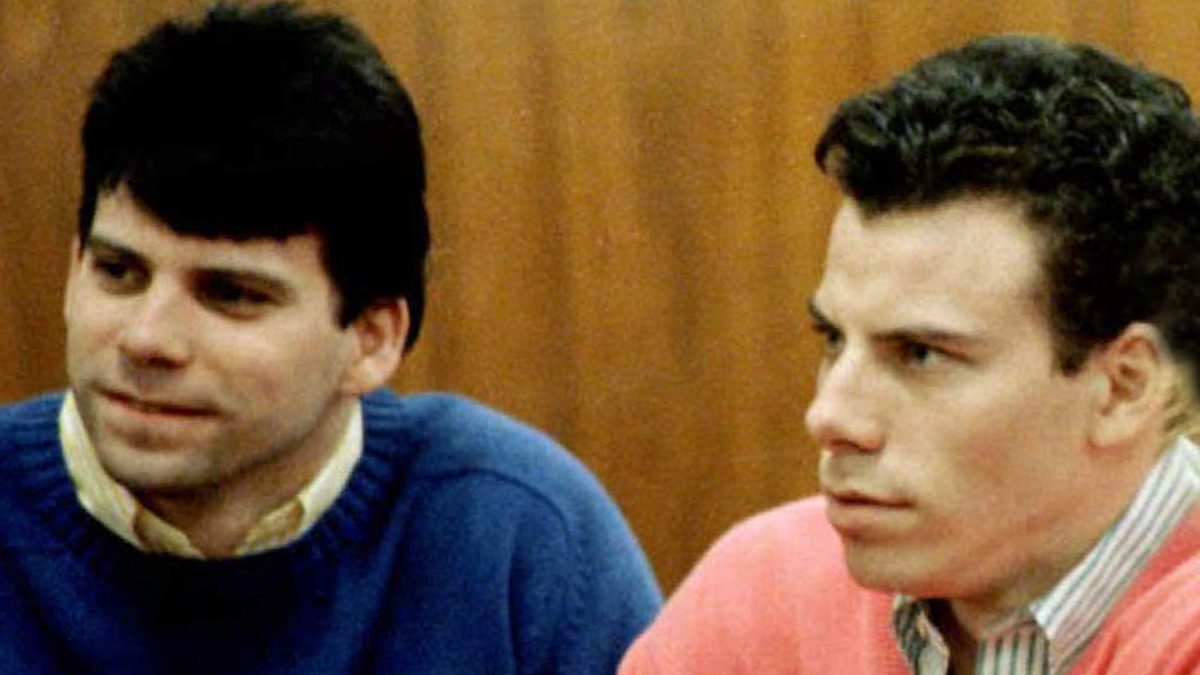
**Menendez Brothers’ Parole Hearing Moved Up to March 2027—Over a Year Early**
The California Board of Parole has fast-tracked Erik and Lyle Menendez’s next chance at freedom, rescheduling their parole suitability hearing from August 2028 to March 2027.
Nearly four decades after their parents’ murders, the brothers—once symbols of privilege turned infamous killers—now find themselves just over a year away from a decision that could redefine their future.
This is not a guarantee of release but a rare concession, one that reflects California’s evolving approach to parole for inmates serving life sentences. The move comes after a legal reshuffling: in 2023, the brothers were resentenced, stripping them of the "life without parole" designation that had once seemed insurmountable.
Now, with a hearing looming, the Menendez saga enters a new chapter—one where time, rehabilitation, and the parole board’s discretion will determine whether justice and mercy can coexist.
---
## **A Legal Reset and the Weight of Time**
The parole hearing’s advancement stems from California’s parole process, which allows certain factors to accelerate an inmate’s suitability review.
For the Menendez brothers, those factors likely include their recent resentencing and their decades-long incarceration—a period marked by legal battles, appeals, and, their family, profound personal transformation.
Erik and Lyle were first convicted in 1996, sentenced to life without parole for the 1989 murders of their wealthy parents, José and Kitty. The case became a cultural reckoning, exposing the dark underbelly of entitlement and the trauma the brothers claimed they endured at their parents’ hands.
Their initial appeals failed, and for years, the prospect of freedom seemed distant. But legal setbacks can also create opportunities. In 2023, a California appeals court vacated their original sentences, allowing for resentencing under a less punitive law.
The brothers now face parole hearings rather than a guaranteed lifetime behind bars.
This resentencing was not just procedural—it was psychological. For the first time in decades, their future became uncertain, and the possibility of release, however slim, entered the conversation.
The parole board’s decision to move up the hearing suggests an acknowledgment that time, in some form, must be granted to those who have spent almost four decades in prison.
---
## **Rehabilitation Behind Bars—and a Family’s Hope**
The Menendez family has spent years crafting a narrative of redemption, pointing to the brothers’ work in prison as evidence of their growth. In a statement, they highlighted Erik and Lyle’s efforts to establish a hospice program and create *Green Space*, an initiative designed to help other lifers find purpose in incarceration.
"For almost 40 years, they have worked to take responsibility for their actions, confront and heal from the unimaginable abuse and trauma they endured," the family said, emphasizing that their lives behind bars were not in vain.
This framing is critical. The Menendez case has always been as much about perception as it is about justice. The brothers’ trial and subsequent appeals were dominated by conflicting narratives: Were they cold-blooded murderers, or victims of a dysfunctional household?
The family’s statement now leans heavily on the latter, portraying Erik and Lyle not as villains, but as men who have spent their imprisonment in service to others.
The parole board’s decision to advance their hearing, however, does not signal approval—only that they will now face a panel to determine if they meet the state’s standards for release.
What remains unclear is how the board will weigh the brothers’ alleged abuse claims against the gravity of their parents’ murders. California parole law requires inmates to demonstrate remorse, rehabilitation, and a low risk to public safety.
The brothers’ family insists they have met these benchmarks, but the board’s past decisions—including their 2025 parole denials—suggest skepticism may still linger.
---
## **The Road Ahead: A Hearing, Not a Promise**
The March 2027 hearing will be the Menendez brothers’ first real test under California’s new parole framework. It will not be a rubber-stamp process. The board will scrutinize their prison records, psychological evaluations, and the circumstances of the murders.
They will also consider whether society—and their victims’ families—can safely move forward with their release.
The stakes could not be higher. For the brothers, it is a chance at freedom after a lifetime behind bars. For the Menendez family, it is the opportunity to reclaim their sons, to rebuild relationships fractured by decades of separation.
For the public, it is a reckoning with a case that has haunted American culture for generations. The decision will not be made lightly, but one thing is certain: the clock is ticking, and for the first time in a long time, Erik and Lyle Menendez have a to meet.
Whether that leads to freedom or another extension of their sentence remains to be seen. But for now, the parole board has given them a second chance—a rare gift in a system that often offers none.
Why It Matters
Our Take
GoNews Pulse Editorial Team
This article was prepared for publication by GoNews Pulse and checked for publication requirements under our editorial standards. We review available information and correct material errors when they are identified.
Quick Answers
- What is the latest update on this story?
- California parole board fast-tracks Erik and Lyle Menendez’s hearing to 2027, sparking hope after decades behind bars.
- Who is this story about?
- This article covers developments related to Menendez Brothers' 2027 Hearing—Could 37-Year Imprisonment End?. GoNews Pulse's editorial team monitors the story and updates the article as new verified information becomes available.
- Where can I read more about Erik Menendez?
- GoNews Pulse publishes original reporting on Erik Menendez and related entertainment news. Visit the homepage or browse the section dedicated to this story for the latest coverage.
Related topics
- #Erik Menendez
- #Lyle Menendez
- #California parole board
- #1989 Menendez murders
- #life sentence resentencing
More From This Section

Jon Gosselin's 22‑Year‑Old Son Exposes Abuse, Father Shouts Support
Jon Gosselin declares that his son’s 22‑year‑old memoir exposes alleged institutionalization and a hidden ‘small holding’ cell, sparking a national debate.

Mike Colter's Valley Firm AGI Bo Revealed at 2:00 a.m. Shocks Fans
Rob McClure's portrayal of Bo forces the firm to confront a real‑world AGI asking for legal guardrails, sparking a tense ethical debate.

Meredith Grey's bed proposal to Nick on surgery table stuns fans
Meredith Grey slipped a ring into Nick's hand while he lay on the operating table, a move that stunned fans amid the bridge collapse.