
Meg Radice & Audrey Jongens Banned from U.S. Open for Posting Badges
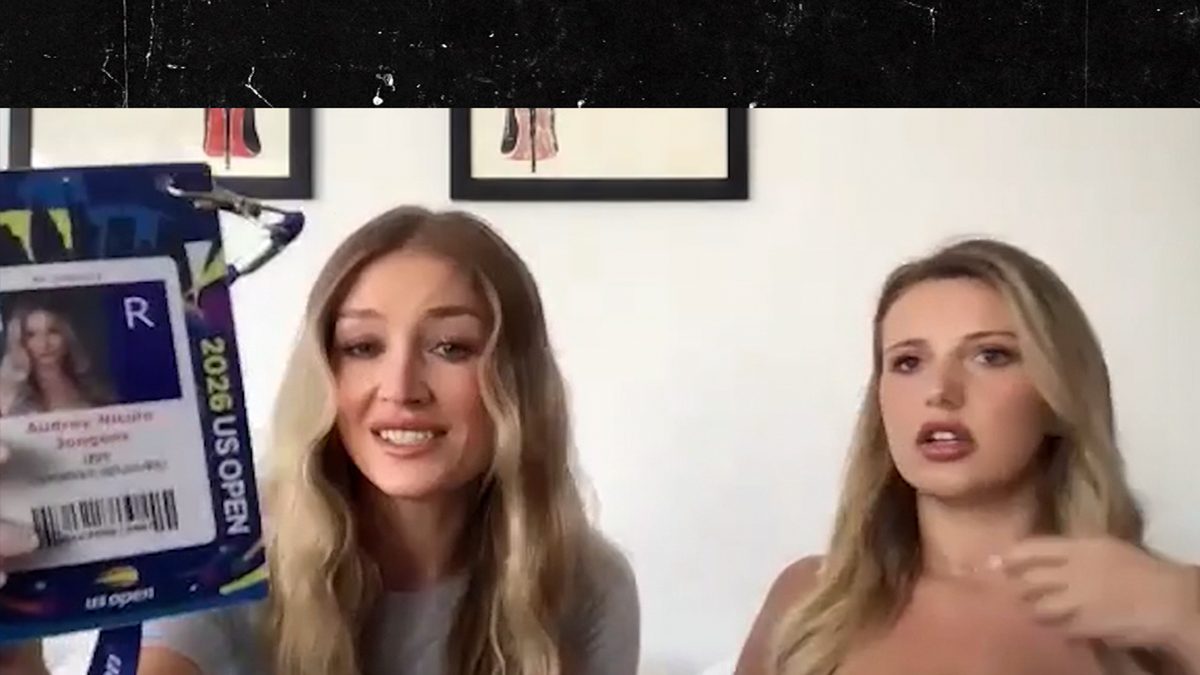
Meg Radice and Audrey Jongens, two Instagram personalities who have covered the U.S. Open for three consecutive years, were barred from the tournament after posting pictures of their official passes online.
The incident occurred during the 2024 event at the USTA Billie Jean King National Tennis Center in New York. Their removal sparked a debate over influencer access policies at major sporting events.
The pair had secured a partnership with a popular on‑site restaurant, which included a promise of media credentials to create daily content throughout the two‑week competition. They arrived early, shared the experience on Instagram Stories, and later learned their passes were revoked within two hours.
The influencers claim they were unaware that posting the credentials violated any regulations.
Radice and Jongens have asked for a second chance, stating they would gladly return if given new access. They also said that no formal apology was needed; the primary goal is to regain entry and continue documenting the tournament they love.
## Background & Context
The U.S. Open is one of tennis’s four Grand Slam events, drawing millions of fans worldwide. Organizers grant media credentials to journalists, broadcasters, and approved content creators, often under strict terms that prohibit public disclosure of the passes.
This policy aims to protect the integrity of the event and prevent unauthorized sharing of restricted areas.
Influencers have increasingly become part of sports coverage, offering a fresh perspective that appeals to younger audiences. Major tournaments now allocate slots for “authorized social media partners,” but each venue sets its own guidelines.
Past incidents at other Grand Slams have resulted in temporary bans when creators posted credentials or breached privacy agreements.
Radice and Jongens have been featured in several U.S. Open broadcasts, and their partnership with the on‑site restaurant was designed to provide behind‑the‑scenes access. Their prior experience gave them confidence that sharing credentials would be acceptable, a misunderstanding that led to the current fallout.
## The Credential Controversy
On the day of the credential revocation, the influencers reported that staff approached them after they posted images of their passes on Instagram Stories. The staff informed them that the passes were no longer valid and denied them entry to the tournament grounds. The revocation occurred just two hours after they arrived at the venue.
Both women have confirmed that they had cleared their schedules and planned to attend every day for the full duration of the tournament. They say they had no prior knowledge that sharing credentials online would trigger a disqualification. They also clarified that no official statement from the U.S.
Open has been released regarding the incident.
The influencers emphasized that there was no animosity toward the tournament organizers. In interviews, Radice and Jongens expressed willingness to accept any new invitations or accommodations if offered. Their public appeal focuses on gaining back their credentials rather than demanding reparations.
## Influencers and Tennis Coverage
For the past three years, Radice and Jongens have delivered daily vlogs from the U.S. Open, showcasing player interviews, locker‑room visits, and fan interactions. Their content has attracted a niche audience of tennis enthusiasts who appreciate a candid, youthful lens.
By blending traditional reporting with social media storytelling, they fill a void left by conventional sports media, which often relies on longer‑form broadcasts or written articles.
Their partnership with the restaurant on the USTA grounds was part of a broader strategy to integrate food culture into the tournament narrative—highlighting artisanal sandwiches and signature cocktails served to fans and players alike.
The collaboration offered mutual exposure: the venue gained social media buzz, while the influencers gained a steady stream of daily content.
However, this synergy also made them more reliant on official credentials. Their assumption that the passes could be shared publicly stemmed from informal conversations with staff during earlier tournaments. While those chats were friendly, they never included explicit documentation detailing the prohibition on sharing.
## Historical Context of Credential Policies
The USTA’s credential policy dates back to the 1970s when Grand Slam tournaments first formalized media access. Over time, the rules have tightened as digital distribution grew. In 2004, the U.S.
Open introduced a strict “no public disclosure” clause in its media agreements, .
In 2016, a similar incident involving a popular TikTok creator at Wimbledon led to a temporary ban for that individual. The event organizers cited the violation of the “no‑public‑display” clause and announced new training workshops for all media partners.
The policy was then expanded to explicitly forbid posting any images of credentials on social media platforms.
More recently, the 2022 Australian Open faced criticism when a group of influencers posted screenshots of their passes on Instagram. While none were revoked immediately, the incident prompted a review that eventually led to the cancellation of two influencer contracts for the following year.
These precedents illustrate that while Grand Slam tournaments aim to embrace new media, they also enforce strict guidelines to safeguard security and uphold the event’s reputation.
## Fan Reaction and Social Media Response
The immediate fallout saw mixed reactions from the tennis community. Fans on Twitter and Reddit expressed sympathy for Radice and Jongens, accusing the organizers of over‑reacting to a harmless mistake. A trending hashtag, #LetsLetThemIn, sparked conversations about how “influencers” are treated differently from traditional journalists.
Conversely, some security experts pointed out that credential policy violations can compromise safety protocols. They argued that the U.S. Open’s decision was justified to maintain consistent enforcement across all media partners.
The influencers’ own followers flooded their accounts with supportive comments, urging the organizers to reconsider. In a live Q&A on Instagram Live, Radice answered questions about the incident, explaining that she had always respected the rules but was confused by the lack of explicit guidance.
Meanwhile, many tennis commentators highlighted how the situation underscores a broader industry tension: younger content creators often operate under different expectations than traditional media professionals.
The debate continues over whether tournaments should offer clearer instruction for influencers or create separate credential categories.
## Industry Impact and Future Outlook
The incident is likely to prompt a reevaluation of credential policies across major sporting events. As influencers continue to drive engagement among younger demographics, event organizers must balance openness with security.
Some venues are already experimenting with dedicated “social media partner” credentials that include clearer guidelines and digital proof rather than physical passes.
In the wake of Radice and Jongens’ revocation, the USTA has reportedly sent a confidential memo to all media partners outlining updated expectations. While no public statement has yet been released, insiders suggest that the organization may provide a refresher webinar on credential handling before the next season.
For influencers, the lesson is clear: always confirm policy details in writing and seek confirmation from the official media liaison. Many creators are now working closely with their brands’ legal teams to draft content that complies with venue rules.
The broader sports industry will also benefit from this case. By highlighting the gap between informal conversations and formal agreements, event organizers can improve communication channels. Clearer documentation, better training, and perhaps a dedicated compliance portal may reduce the risk of future misunderstandings.
## Moving Forward
If the tournament extends a new invitation, Radice and Jongens plan to adhere strictly to all posted rules about credential handling. They also intend to coordinate closely with the event’s media liaison team to avoid future misunderstandings. Their case may prompt other tournaments to clarify policies for influencer partners.
Their story serves as a reminder of how quickly a misstep can alter an influencer’s relationship with a major sporting event. The U.S. Open and other Grand Slam organizers may review credential protocols in light of this incident.
The outcome will likely influence how social media creators engage with professional sports venues in the future, balancing the desire for authentic content with strict access regulations.
Why It Matters
Our Take
GoNews Pulse Editorial Team
This article was prepared for publication by GoNews Pulse and checked for publication requirements under our editorial standards. We review available information and correct material errors when they are identified.
Quick Answers
- What is the latest update on this story?
- They lose U.S. Open access after posting their passes, igniting a heated debate on influencer access.
- Who is this story about?
- This article covers developments related to Meg Radice & Audrey Jongens Banned from U.S. Open for Posting Badges. GoNews Pulse's editorial team monitors the story and updates the article as new verified information becomes available.
- Where can I read more about Meg Radice?
- GoNews Pulse publishes original reporting on Meg Radice and related entertainment news. Visit the homepage or browse the section dedicated to this story for the latest coverage.
Related topics
- #Meg Radice
- #Audrey Jongens
- #U.S. Open
- #USTA credential policy
- #tournament access
More From This Section

Jon Gosselin's 22‑Year‑Old Son Exposes Abuse, Father Shouts Support
Jon Gosselin declares that his son’s 22‑year‑old memoir exposes alleged institutionalization and a hidden ‘small holding’ cell, sparking a national debate.

Mike Colter's Valley Firm AGI Bo Revealed at 2:00 a.m. Shocks Fans
Rob McClure's portrayal of Bo forces the firm to confront a real‑world AGI asking for legal guardrails, sparking a tense ethical debate.

Meredith Grey's bed proposal to Nick on surgery table stuns fans
Meredith Grey slipped a ring into Nick's hand while he lay on the operating table, a move that stunned fans amid the bridge collapse.