
May El‑Toukhy's Shockingly Bold Venice Victory Sparks Gender Revolution
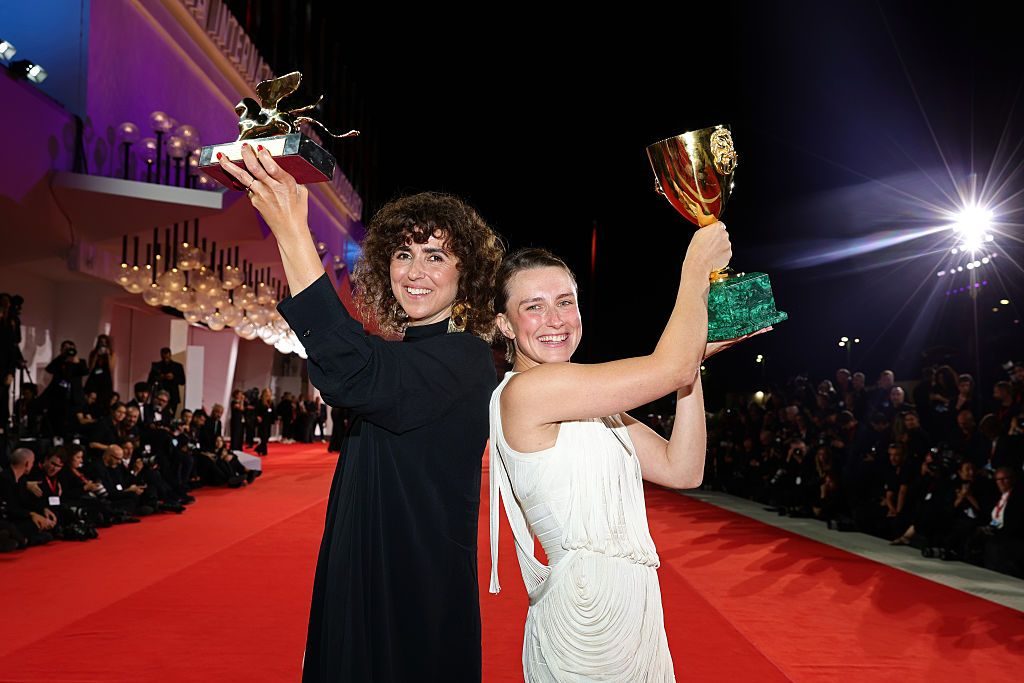
**May El‑Toukhy Wins Venice Golden Lion Amid Surprising Praise for Women in Film**
The 2026 Venice Film Festival concluded Saturday night with Danish director May El‑Toukhy taking home the coveted Golden Lion for her feature *Woman Unknown*. The award came after a tense jury vote that placed her film above more than 40 other contenders, a result that surprised many critics and audiences alike.
At the winners’ press conference, El‑Toukhy responded to questions about the surprise element of her win. “It doesn’t surprise me that some people would say, ‘Oh, did she get it?’ Because that’s part of everyday life as a woman in this industry,” she said, underscoring a broader pattern of underrepresentation in festival accolades.
El‑Toukhy explained that she had often found herself near the bottom of Venice prediction lists before the lineup was announced. “I was far down on predictions,” she added. “There were like 40 films predicted, and I was 39 or 40 every time.
By now I’m pretty used to that. That’s a systemic issue… we need to think about how to make it easier for women to be part of this industry.”
## Background & Context
The Golden Lion is the festival’s highest honor, awarded by a jury chaired by actress Maggie Gyllenhaal. Gyllenhaal was asked whether awarding a woman among only two competition‑film winners was a political decision.
She dismissed that notion, describing *Woman Unknown* as “a brilliantly made movie that felt like a laser beam.” The film tackles sexual shame and political paranoia in post‑war Denmark, themes that resonated with the jury’s deliberations.
Alongside the top prize, *Woman Unknown* also earned Mathilde Arcel the festival’s Best Actress award. Her performance as a woman with secrets trying to evade mob justice was praised for its intensity and nuance.
The dual win—Golden Lion and acting prize—is rare at Venice, but Gyllenhaal explained that a unanimous jury vote for the lead can simultaneously award both honors, a scenario that unfolded this year.
The festival also honored other noteworthy films. *NAZA*, a hard‑hitting drama about the IDF’s killing of Gazans, received the Special Jury Prize. Director Yuval Abraham expressed hope that the film would reach an Israeli audience, .
He warned against attempts to avoid confronting realities, noting that “in just these 10 days of the festival, Israel… has killed multiple Palestinian children in Gaza.”
In the Orizzonti sidebar, Italian actor Riccardo Scamarcio captured the Best Actor award for his role in *The House of the Monkey*. Asked about his work with late UK producer Jeremy Thomas, Scamarcio described Thomas as “a pirate.
He was a free man, a great man of cinema… protecting the freedom of the artists to express themselves.” His emotional tribute underscored Thomas’s influence on contemporary filmmaking.
Iranian actress Laleh Marzban also shone in the Orizzonti section, taking Best Actress for *Falling House*. During the press conference, journalist Melanie Goodfellow asked Marzban about how the film might be received back home.
She replied, “This question is very important for me as an actress, and as all other women in Iran… we can only make one step at a time. If we give our small contribution, maybe we will reach our objective.” Her words highlighted the broader struggle for artistic freedom under patriarchal constraints.
## What People Are Saying
The festival’s press conference buzzed with candid reflections on gender and representation. El‑Toukhy’s comments were echoed by Gyllenhaal, who noted that only four women were listed on the prediction lists before the festival. She challenged journalists, media, and male peers to reconsider structures that hinder women’s visibility.
Gyllenhaal added that her male colleagues are “interested in having women in the industry,” but systemic barriers persist.
Scamarcio’s tribute to Jeremy Thomas was met with applause from audience members familiar with Thomas’s legacy. His description of Thomas as a “pirate” and “free man” captured the spirit of independent cinema that the director championed.
The emotional tone of his remarks underscored the personal loss felt by the filmmaking community after Thomas’s death on Friday.
Marzban’s response to Goodfellow’s question highlighted the incremental nature of change for women in restrictive societies. Her assertion that “we can only make one step at a time” resonated with other artists who face similar challenges, reinforcing the idea that each performance can contribute to a larger shift.
Meanwhile, Yuval Abraham’s remarks about *NAZA* sparked conversation among Israeli attendees. He emphasized the importance of exposing Israeli audiences to footage that aligns with Palestinian journalists’ accounts. Abraham’s comments suggested a growing appetite for films that confront uncomfortable truths, even amid political tensions.
## What Happens Next
The Venice Film Festival’s official winners list is now available online, allowing industry professionals and fans to review the full slate of award recipients. El‑Toukhy’s triumph may influence future festival programming, encouraging juries to broaden their consideration of women‑directed works.
Meanwhile, the discussions sparked by *NAZA* and *Falling House* could prompt increased dialogue about political narratives in cinema.
Industry observers anticipate that El‑Toukhy will seek distribution deals for *Woman Unknown* following its Venice success. Her established reputation may attract interest from major distributors looking to showcase compelling female‑led storytelling.
Likewise, the actors who received awards—Arcel, Scamarcio, and Marzban—are likely to experience heightened visibility that could lead to new roles and collaborations.
As the festival’s buzz fades, the conversations it ignited about representation, political accountability, and artistic freedom will linger in industry circles. The 2026 edition of Venice has set a precedent for acknowledging both cinematic excellence and the systemic challenges that filmmakers—particularly women—continue to face.
In the wake of these award announcements, filmmakers and audiences alike will likely continue to reflect on the ways festivals can better support diverse voices while maintaining artistic integrity. The festival’s outcomes suggest that progress is possible, albeit uneven, and that the next Venice edition may build on this year's lessons.
Why It Matters
Our Take
GoNews Pulse Editorial Team
This article was prepared for publication by GoNews Pulse and checked for publication requirements under our editorial standards. We review available information and correct material errors when they are identified.
Quick Answers
- What is the latest update on this story?
- She wins the Golden Lion and sparks a global debate that could redefine cinema’s gender rules.
- Who is this story about?
- This article covers developments related to May El‑Toukhy's Shockingly Bold Venice Victory Sparks Gender Revolution. GoNews Pulse's editorial team monitors the story and updates the article as new verified information becomes available.
- Where can I read more about Venice Film Festival?
- GoNews Pulse publishes original reporting on Venice Film Festival and related entertainment news. Visit the homepage or browse the section dedicated to this story for the latest coverage.
Related topics
- #Venice Film Festival
- #Golden Lion
- #NAZA
More From This Section

Jon Gosselin's 22‑Year‑Old Son Exposes Abuse, Father Shouts Support
Jon Gosselin declares that his son’s 22‑year‑old memoir exposes alleged institutionalization and a hidden ‘small holding’ cell, sparking a national debate.

Mike Colter's Valley Firm AGI Bo Revealed at 2:00 a.m. Shocks Fans
Rob McClure's portrayal of Bo forces the firm to confront a real‑world AGI asking for legal guardrails, sparking a tense ethical debate.

Meredith Grey's bed proposal to Nick on surgery table stuns fans
Meredith Grey slipped a ring into Nick's hand while he lay on the operating table, a move that stunned fans amid the bridge collapse.