
Matthew Weiner Leaves Eddie Murphy Drama After Creative Clash
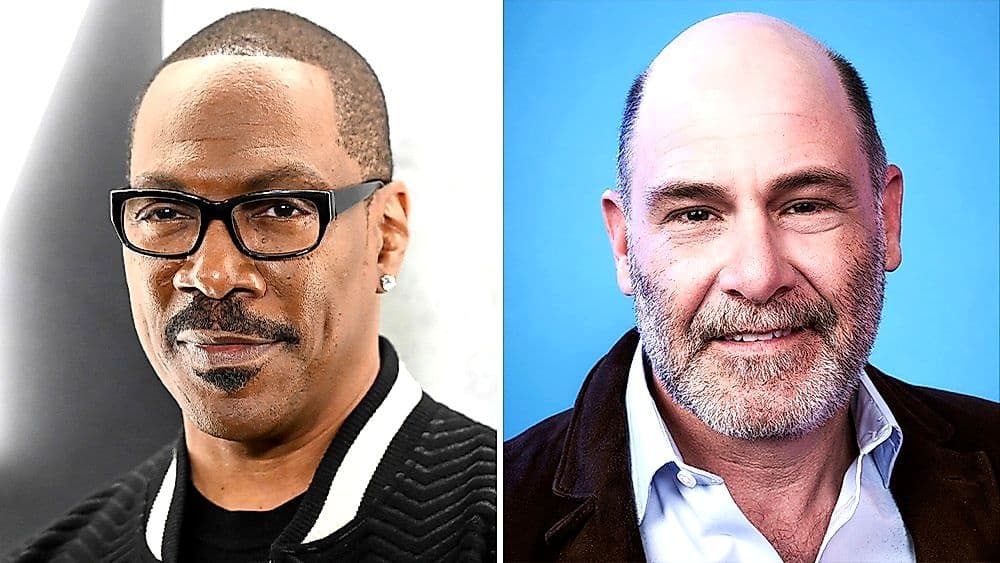
**# Matthew Weiner Exits Peacock's Eddie Murphy Drama, New Showrunner Looms** The announcement that Matthew Weiner, the architect behind the award‑winning *Mad Men*, has stepped away from the Peacock‑produced drama starring Eddie Murphy sent ripples through Hollywood.
The series, still in pre‑production, was poised to become Murphy’s first foray into a scripted narrative, a shift from the iconic sketch comedy he helped launch on *Saturday Night Live*.
Weiner’s exit, driven by creative differences, signals a pivotal change in the project’s direction and raises questions about the future of the show. Within days of the news, the writers’ room—largely composed of talent set to stay on the project—was granted a two‑week pause to navigate the transition.
Peacock, Universal Television, and 101 Studios, the production arm of David Glasser, all agreed that the current pilot script diverged too sharply from the original pitch that had drawn Murphy in.
The decision was described as a collective creative judgment rather than a personnel dispute, underscoring the high stakes of aligning a star’s vision with a writer’s artistic compass. For Weiner, the departure comes after his 2018 *The Romanoffs* for Prime Video, marking his longest hiatus from a scripted series.
The move could signal a recalibration of his career trajectory, perhaps hinting at new projects in the pipeline.
Meanwhile, Peacock’s ambition to cement a robust lineup of original dramas remains undeterred, as the network moves swiftly to secure a new showrunner who can translate Murphy’s star power into compelling storytelling. ## Background & Context The concept that began as a pitch for a high‑profile drama featuring Eddie Murphy underwent several transformations before landing on the screen.
Initially, the project was conceived with a narrative framework that promised to blend Murphy’s larger‑than‑life persona with sharp, character‑driven storytelling.
Weiner was brought on board to develop the script, infuse the series with his trademark blend of humor and pathos, and serve as executive producer and showrunner.
His history of crafting nuanced, dialogue‑rich narratives made him an attractive choice for a project looking to balance star appeal with substantive content. However, as the writers’ room gathered around the table, creative tensions surfaced.
The pilot script that emerged under Weiner’s guidance veered noticeably from the original premise that had excited the executive team.
Sources from the network and production companies noted that the script introduced thematic elements and character arcs that did not align with the vision that had secured Murphy’s involvement. This divergence led to a decision by Peacock, Universal Television, and 101 Studios to part ways with Weiner.
The producers cited a need for a more cohesive alignment between the show’s creative direction and the network’s strategic objectives. The move echoes earlier industry moments when high‑profile shows underwent leadership changes due to creative conflicts.
In this case, the stakes were amplified by the involvement of a global star like Murphy, whose name alone can drive viewership in a crowded streaming landscape.
The network’s quick pivot to a new showrunner reflects its commitment to preserving the project’s trajectory while ensuring that the final product resonates with both audiences and investors. ## What People Are Saying The news of Weiner’s exit generated immediate buzz among industry insiders and social media commentators.
Some viewed the decision as a bold step by Peacock to maintain a unified vision for its flagship drama. Others speculated that the departure might be a consequence of the network’s desire to keep the project on budget and schedule, especially given the two‑week hiatus imposed on the writers’ room.
While no explicit statements from Murphy were released, speculation ran that the star’s involvement was pivotal in the decision, as the project’s success hinged on delivering a narrative that leveraged his comedic and dramatic talents.
Former collaborators of Weiner praised his ability to weave complex character studies with sharp wit. They noted that his departure from the project does not diminish his legacy; rather, it highlights the challenges of balancing artistic integrity with commercial imperatives in television production.
Conversely, producers from 101 Studios emphasized the importance of aligning the creative team’s vision with the network’s overarching strategy, especially when launching a new series under a burgeoning partnership with NBCUniversal. The broader conversation also touched on the evolving landscape of streaming content.
As platforms vie for exclusive, high‑profile talent, the pressure to produce compelling, original material has intensified. In this environment, a showrunner’s creative direction must align closely with both star power and platform expectations.
The Weiner case exemplifies how deviations, even from seasoned writers, can prompt swift leadership changes to preserve a project’s trajectory. ## What Happens Next With Weiner’s departure confirmed, Peacock and 101 Studios are actively searching for a new showrunner capable of marrying Eddie Murphy’s star power with a narrative that fits the network’s vision.
While the identity of the incoming creative head remains undisclosed, the industry expects that the new showrunner will retain much of the existing writers’ room talent, given the two‑week pause already granted to allow for a smooth transition.
The writers’ room is expected to resume work shortly, revisiting the pilot script and realigning it with the original pitch. This process may involve reworking key scenes, tightening the narrative structure, and ensuring that the thematic core aligns with the network’s expectations.
The aim is to deliver a pilot that not only satisfies the creative ambitions of the cast and crew but also meets Peacock’s standards for audience engagement and critical acclaim. For the audience, the shift in leadership could mean subtle changes in tone and pacing.
While Murphy’s presence remains a constant, the new showrunner may bring fresh perspectives that could alter character dynamics or introduce new subplots. The upcoming weeks will likely see behind‑the‑scenes updates as the new creative team establishes its footing, potentially sparking renewed interest in the series.
Looking ahead, the series’ eventual premiere will depend on the successful completion of the pilot and the network’s confidence in the revised vision.
If the new showrunner delivers a compelling script that captures the essence of Murphy’s persona while offering depth and originality, the series could become a flagship drama for Peacock.
Conversely, a failure to reconcile creative differences might lead to further delays or even cancellation, a fate that has befallen other high‑profile projects when alignment falters.
In the ever‑evolving television industry, leadership changes are not uncommon, yet they always bring a degree of uncertainty and opportunity. The decision to replace Weiner underscores the high stakes involved when a network, a major studio, and a legendary star converge.
As the writers’ room reopens and the new showrunner steps into the spotlight, all eyes will be on whether this drama can rise above the turbulence and deliver a story that resonates with viewers and critics alike.
At a Glance
- Matthew Weiner exits Peacock's Eddie Murphy drama after creative differences over pilot script divergence.
- Peacock, Universal Television and 101 Studios paused the writers’ room for two weeks while hunting a new showrunner to align with Murphy’s star power and network vision.
- The move underscores a broader industry trend of leadership changes when high‑profile talent and creative direction clash, highlighting the high stakes for networks and investors.
Why It Matters
Our Take
GoNews Pulse Editorial Team
This article was prepared for publication by GoNews Pulse and checked for publication requirements under our editorial standards. We review available information and correct material errors when they are identified.
Quick Answers
- What is the latest update on this story?
- Peacock and 101 Studios said the pilot script diverged sharply from the original pitch that drew Murphy in, forcing Weiner to step away.
- Who is this story about?
- This article covers developments related to Matthew Weiner Leaves Eddie Murphy Drama After Creative Clash. GoNews Pulse's editorial team monitors the story and updates the article as new verified information becomes available.
- Where can I read more about celebrity news?
- GoNews Pulse publishes original reporting on celebrity news and related entertainment news. Visit the homepage or browse the section dedicated to this story for the latest coverage.
More From This Section

Jimmy Chin & Jim Morrison Rappel 12‑Story Building, Amazed Everest Fans
After the 12‑story rappel, Morrison exclaimed, “I lived it, Jimmy,” sparking cheers across 551 theaters.

Savannah Guthrie's 84‑Year‑Old Mom Vanishes, $1 Million Reward Sparks National Frenzy
The 84‑year‑old mother vanished in Tucson, leaving behind a shocking ransom note and a $1 million reward, driving a nationwide hunt for answers.

Candice Swanepoel's chunky gold ring sparks Tom Brady romance rumors
The chunky gold band, spotted on her left ring finger on a Manhattan sidewalk, has fans speculating it could be a secret engagement to Tom Brady.