
Marlon Jackson's 69-Year-Old 4 Prostate Cancer Diagnosis Shocked Fans
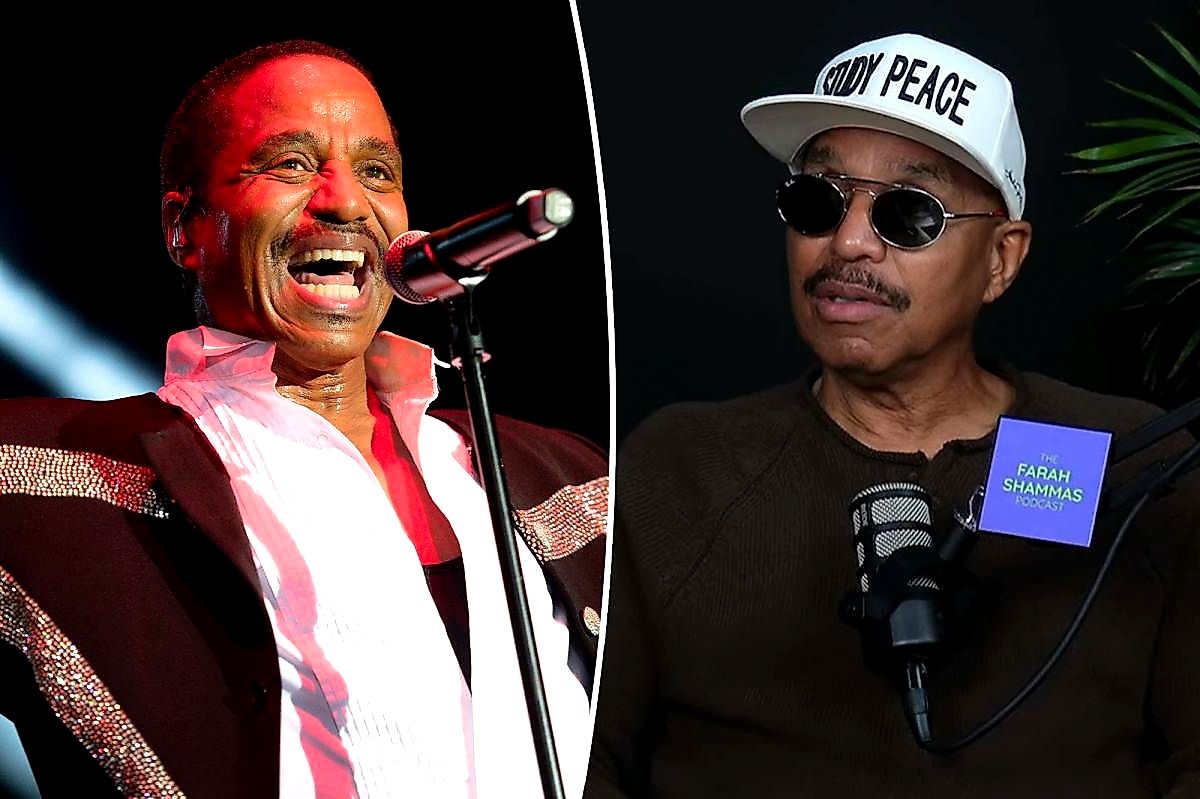
**Jackson 5 star Marlon Jackson, 69, reveals secret Stage 4 prostate cancer diagnosis** In a candid moment on Farah Shammas’ podcast, Marlon Jackson opened up about a battle that has been raging behind the glittering headlines of the Jackson legacy. “I’ve had cancer for four years.
Prostate, Stage 4,” he told listeners, balancing stark honesty with the trademark optimism that has marked his career. Despite the gravity of the diagnosis, Marlon insists he’s “great” and “good,” adding that his routine—walking almost four miles four times a week—keeps him feeling alive.
The revelation arrives at a pivotal juncture: the last original Jackson sibling still touring, while his brothers’ lives have shifted from music to memory and health. ### A brief look back at the Jackson 5 The Jackson 5 rose from Gary, Indiana, in the late 1960s to become the face of Motown’s first wave of crossover success.
Together, Michael, Jackie, Tito, Jermaine, and Marlon blended impeccable harmonies with a youthful charisma that enchanted a generation. Marlon, the second youngest, often stepped into the shadows of his older brother’s soaring vocals, but his contributions as a songwriter and arranger were no less critical.
By the late 1970s, the group had charted dozens of top‑ten hits and secured a reputation as one of the most beloved acts in pop history. Following the group’s peak, Marlon pursued a solo career that culminated in the 1987 album *Baby Tonight*.
He also stepped into television, appearing in the 1992 miniseries *The Jacksons: An American Dream* and the 2009‑2010 A&E reality series *The Jacksons: A Family Dynasty*. In 2015, he founded the Study Peace Foundation, a non‑profit aimed at promoting global unity and understanding.
These ventures highlight Marlon’s versatility—an artist who has moved beyond music into activism and storytelling. ### The diagnosis and the response Marlon’s diagnosis came as a surprise to many fans. He disclosed that he had already undergone a radical prostatectomy and several rounds of radiation therapy.
“Everything is fine,” he insisted, though he added that he had cut out sugar entirely and kept a meticulous eye on his diet. “I’m careful about what I put into my body.” He also thanked everyone who prayed for him and emphasized that his faith in God was a guiding force through the treatment process.
His oncologist’s remark—“You’re doing so much better than what I thought”—underscored the unexpected resilience he’s demonstrating. The interview was broadcast on a popular podcast that gathers music legends and industry insiders, ensuring the message reached a broad audience.
Yet the impact was even more pronounced on social media. Within minutes of the episode’s release, hashtags such as #MarlonStrong and #JacksonLegacy surged.
Fans posted messages of love, prayers, and personal anecdotes about how the Jacksons’ music had shaped their lives. Some posted videos of themselves walking or doing exercises, echoing Marlon’s dedication to staying active.
Notably, fellow musicians—ranging from contemporary pop stars to veteran soul singers—lent their voices, stressing the importance of early detection for men’s health. ### A historical parallel: other musicians facing cancer The entertainment world is not new to artists battling serious illnesses.
Prince’s public disclosure of his cancer in 2004 led to widespread conversations about the pressures of performing while ill. More recently, Kelly Clarkson’s openness about her Stage 4 Hodgkin lymphoma in 2018 has inspired countless fans to undergo regular screenings.
These precedents illustrate how celebrity admissions can spur public awareness and alter the cultural narrative around disease.
Marlon’s candidness continues this lineage, reinforcing the notion that vulnerability can coexist with artistic vigor. ### Industry implications and future plans Marlon’s health has direct implications for the Jackson family’s touring schedule.
After Tito’s passing in 2024, the group’s only remaining original member, Marlon has become a linchpin for any potential reunion. While he has hinted at continuing to perform, he acknowledges that his treatments may necessitate adjustments in timing and pacing.
“I’ll keep touring, but I’ll adapt,” he said. Industry observers note that this could mean more intimate venues, shortened set lists, or a shift to virtual performances.
Fans can anticipate that any concerts will likely weave themes of hope and resilience, mirroring Marlon’s personal journey. The implications extend beyond the Jacksons.
Record labels, promoters, and health advocates are observing how Marlon’s experience might influence artist wellness protocols.
There is growing pressure to integrate health screenings and mental‑health support into touring schedules—a trend that Marlon’s openness may accelerate. ### A personal perspective Beyond the limelight, Marlon’s life has been punctuated by the loss of close family members.
His brother Tito succumbed to a heart attack in 2024, and Jackie recently returned to performing after knee‑replacement surgery. The family’s reunion during the *Unity Tour*—their first joint venture since the 1984 Victory Tour—was a bittersweet testament to resilience.
Marlon’s relationship with his brothers, especially the deep bond he shared with Michael, has shaped his worldview.
Though Michael’s legacy continues to loom large, Marlon’s own story now carries a distinct narrative: one of confronting mortality head‑on while continuing to create and perform. ### Cultural significance and the broader conversation Marlon’s disclosure taps into a broader cultural shift toward destigmatizing cancer.
By sharing his Stage 4 diagnosis publicly, he invites men—especially those in high‑pressure environments—to recognize the signs of prostate issues and seek early treatment. His proactive steps, such as the radical removal of sugar from his diet, underscore how lifestyle choices can play a role in managing disease.
His emphasis on walking—a simple, accessible form of exercise—offers a relatable example for fans and industry professionals alike. Marlon’s narrative reinforces the enduring legacy of the Jackson family as champions of unity and perseverance.
In a world where public figures often face scrutiny for private health battles, his candidness offers a template for combining personal vulnerability with professional responsibility.
His ability to remain “great” and “good,” even while confronting a life‑altering illness, speaks to the enduring power of music and faith as sources of strength. ### Looking ahead As Marlon continues his treatment—regular oncology appointments, ongoing radiation, and a disciplined exercise routine—he remains resolute about staying in the public eye.
Whether that means a full tour, a series of intimate shows, or digital performances, his fans can expect a blend of music and message. His philanthropic work through the Study Peace Foundation is unlikely to wane; instead, it may take on new urgency as he channels his experience into broader advocacy.
In sum, Marlon Jackson’s revelation of a Stage 4 prostate cancer diagnosis is more than a personal update; it is a cultural touchpoint that bridges legacy, health advocacy, and artistic resilience.
His story underscores that even the most celebrated performers confront human fragility, and that facing such challenges head‑on can inspire millions to prioritize their health and continue to thrive.
At a Glance
- Marlon Jackson reveals his Stage 4 prostate cancer diagnosis on Farah Shammas’ podcast.
- He remains upbeat, walking almost four miles four times a week, and urges early detection for men.
- The disclosure impacts the Jackson legacy’s touring plans and sparks a broader conversation on men’s health.
Why It Matters
Our Take
GoNews Pulse Editorial Team
This article was prepared for publication by GoNews Pulse and checked for publication requirements under our editorial standards. We review available information and correct material errors when they are identified.
Quick Answers
- What is the latest update on this story?
- Marlon insists he’s “great” and “good” while walking almost four miles four times a week, a detail that underlines his resilience.
- Who is this story about?
- This article covers developments related to Marlon Jackson's 69-Year-Old 4 Prostate Cancer Diagnosis Shocked Fans. GoNews Pulse's editorial team monitors the story and updates the article as new verified information becomes available.
- Where can I read more about celebrity news?
- GoNews Pulse publishes original reporting on celebrity news and related entertainment news. Visit the homepage or browse the section dedicated to this story for the latest coverage.
More From This Section

Mila Kunis reveals she and Kutcher kissed the same two actresses
During a Kelly Ripa podcast, Kunis said, 'They kissed me and I kissed them,' adding she kissed them in 2010 Black Swan, sparking wild speculation.
Patrick Stewart's final set scene in 2026 tears fans as he delivers farewell
Patrick Stewart whispers 'thank you' to the crew in a tearful speech, hinting this may be his final film set appearance and the studio audience gasps.

Ariana Grande's 33-Year-Old Shuts Down 10-Year Management Feeling Unsafe
She said, 'When you have safety around you, your body knows,' after cutting ties with her manager, sparking debate on artist safety and freedom.