
Ruffalo’s blistering rebuttal fuels Hollywood’s merger firestorm
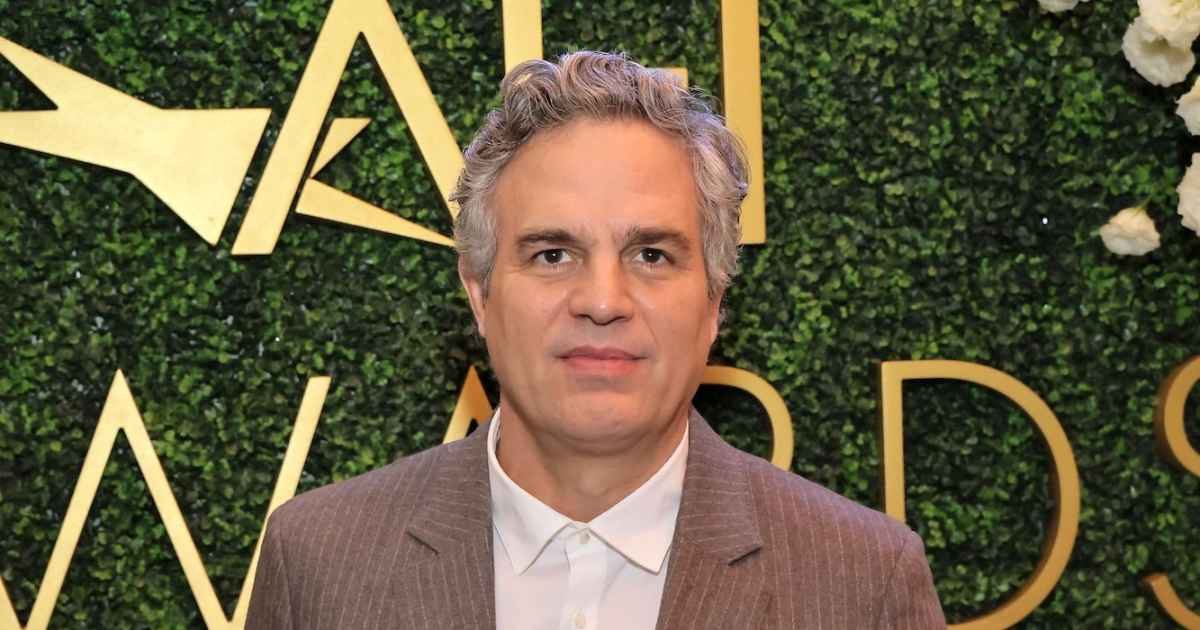
Mark Ruffalo issued a statement on X on August 22, 2024, rejecting accusations that he is antisemitic in connection with his criticism of Paramount Skydance’s ties to the Israeli government.
He said the charges were “appalling and fundamentally dishonest” and clarified that his concerns focus on business practices, not Jewish people.
The actor’s remarks followed a clip from Oracle executive Safra Catz, a Paramount board member, who discussed technology shared with Israel after the October 7 attacks. Ruffalo responded that criticizing Israeli policy does not equate to hostility toward Jewish communities.
Paramount Skydance countered by labeling the antisemitism claim as a “business dispute” and urged less rhetoric. The company emphasized that terms like “genocide” and “apartheidgenocide” and “apartheid” was “wrong” and “a bridge too far” in a business context.
Ruffalo’s X post countered that his criticism targeted business ties, not Jewish people, and he expressed deep respect for Jewish friends and colleagues. He warned that the merger could concentrate media power in a family linked to foreign interests.
Both parties cited concerns about national security reviews and regulatory oversight. Ruffalo urged lawmakers to scrutinize the deal, while Paramount emphasized fair market competition.
## Background & Context
### The Merger’s Genesis
In February 2024, **Paramount Skydance** announced its intent to acquire Warner Bros for **$111 billion**, a move that would create one of the largest entertainment conglomerates in history.
The deal merges two major studios, their distribution networks, and a vast array of content libraries, including iconic franchises such as *Harry Potter*, *Fast & Furious*, and *The Lord of the Rings*.
Paramount Skydance is chaired by David Ellison, son of Oracle co‑founder Larry Ellison, and is backed by a consortium that includes major financial institutions. The acquisition is subject to antitrust review by the **U.S.
Department of Justice** and the **Federal Trade Commission**, both of which are evaluating the potential impact on competition and media diversity.
### Safra Catz’s Controversial Remarks
Safra Catz, Oracle’s CEO and a new board member at Paramount Skydance, spoke about technology exchanges with Israel following the October 7 attacks.
In a video clip that circulated online, she described the shared technologies as “profoundly scary” and raised questions about the ethical implications of corporate collaboration with governments involved in contentious conflicts.
Ruffalo interpreted Catz’s comments as an endorsement of policies he opposed, linking them to the broader narrative of media ownership and political influence. He argued that such corporate ties could create a “pipeline” for foreign influence in American media, thereby compromising journalistic integrity.
### Ruffalo’s Activism Track Record
Mark Ruffalo has long been a vocal advocate against corporate influence in politics. From his early opposition to the **Trump administration** to his leadership role in the **Hollywood Motion Picture & Television Fund**, Ruffalo has used his platform to champion transparency, environmental stewardship, and social justice.
In April 2024, he joined other Hollywood figures in signing an open letter opposing the Paramount‑Warner Bros union, .
His activism extends beyond the screen; Ruffalo is a co‑founder of **Fight for $15**, supporting fair wages for service workers, and has participated in numerous climate change initiatives. This history of public engagement provides context for his reaction to the merger.
## Fan Reaction
### Supportive Voices
Many fans and fellow actors echoed Ruffalo’s concerns, viewing the merger as a step toward unchecked media consolidation. Social media threads were filled with comments like:
Celebrities such as **Chris Evans** and **Zendaya** publicly endorsed Ruffalo’s stance in private messages, praising his willingness to confront powerful corporate interests.
### Skeptical Perspectives
Conversely, a segment of the fan base expressed skepticism about Ruffalo’s accusations. Some argued that the use of terms like “genocide” and “apartheidRuffalo EffectRuffalo Effect,” where public criticism by a high‑profile actor spurs widespread debate over media ownership.
The effect is evident in increased traffic to fan forums, the rise of new podcasts discussing media consolidation, and a measurable uptick in discussions on platforms such as Reddit and Discord.
## Industry Impact
### Competitive Landscape
If approved, the combined entity would control an estimated **25%** of the U.S. entertainment market. This concentration raises concerns about:
- **Creative Autonomy:** With fewer independent studios, there may be a reduction in diverse storytelling. - **Distribution Power:** A single conglomerate could negotiate more favorable terms with streaming platforms, potentially marginalizing smaller services. - **Talent Negotiations:** Actors and writers may face a limited number of negotiating bodies, affecting salary scales and contract flexibility.
### Antitrust Precedents
The merger is being evaluated in the context of prior antitrust decisions, such as the **Disney–Fox** acquisition (2019) and the **AT&T–Time Warner** deal (2018). Those cases set precedents for how regulators assess market dominance, consumer choice, and content diversity.
Analysts predict that the DOJ may require divestitures or impose strict oversight conditions if the merger is allowed to proceed.
### Potential Safeguards
In response to the public outcry, several unions—including the **Screen Actors Guild‑American Federation of Television & Radio Artists (SAG-AFTRA)**—have drafted proposals for protective clauses. These include:
- **Independent Content Quotas:** Mandating that a certain percentage of new productions be created by independent studios. - **Transparency Reporting:** Regular public disclosures on content acquisition and distribution practices. - **Employee Retention Guarantees:** Ensuring that existing employees retain their contracts and benefits post-merger.
The unions’ proposals aim to mitigate the risk of cultural homogenization while still allowing the merged company to operate efficiently.
## Looking Ahead
### Regulatory Timeline
The DOJ and FTC have set a **90‑day** review period, with a provisional decision expected by early October 2024. If regulatory hurdles remain unresolved, the merger could be postponed further, potentially to **June 1, 2027**, as announced by Paramount Skydance.
During this period, actors and industry stakeholders are likely to maintain lobbying efforts, pushing for conditions that preserve creative plurality.
### Ruffalo’s Continued Advocacy
Ruffalo has indicated that he will remain engaged regardless of the merger’s outcome. He plans to:
- **Collaborate with advocacy groups** to monitor corporate practices post-merger. - **Launch a documentary series** exploring media consolidation and its societal effects. - **Speak at upcoming industry panels** to raise awareness among filmmakers and producers.
### Broader Cultural Dialogue
The controversy has amplified conversations about the role of entertainment in shaping public opinion. Academics and cultural critics are , potentially affecting everything from political discourse to perceptions of global conflicts.
As the debate continues, both fans and industry insiders keep a close eye on whether the merger will ultimately reshape the entertainment landscape or be halted by regulators committed to safeguarding media plurality.
---
Why It Matters
Our Take
GoNews Pulse Editorial Team
This article was prepared for publication by GoNews Pulse and checked for publication requirements under our editorial standards. We review available information and correct material errors when they are identified.
Quick Answers
- What is the latest update on this story?
- Ruffalo fires back at antisemitic rumors as Hollywood wrestles over Paramount‑Warner deal, exposing a brewing industry rift.
- Who is this story about?
- This article covers developments related to Ruffalo’s blistering rebuttal fuels Hollywood’s merger firestorm. GoNews Pulse's editorial team monitors the story and updates the article as new verified information becomes available.
- Where can I read more about Mark Ruffalo?
- GoNews Pulse publishes original reporting on Mark Ruffalo and related entertainment news. Visit the homepage or browse the section dedicated to this story for the latest coverage.
Related topics
- #Mark Ruffalo
- #Paramount Skydance
- #Warner Bros acquisition
More From This Section

Jon Gosselin's 22‑Year‑Old Son Exposes Abuse, Father Shouts Support
Jon Gosselin declares that his son’s 22‑year‑old memoir exposes alleged institutionalization and a hidden ‘small holding’ cell, sparking a national debate.

Mike Colter's Valley Firm AGI Bo Revealed at 2:00 a.m. Shocks Fans
Rob McClure's portrayal of Bo forces the firm to confront a real‑world AGI asking for legal guardrails, sparking a tense ethical debate.

Meredith Grey's bed proposal to Nick on surgery table stuns fans
Meredith Grey slipped a ring into Nick's hand while he lay on the operating table, a move that stunned fans amid the bridge collapse.