
Manganiello slams Cruise for snubbing Reacher role via Sofía's past
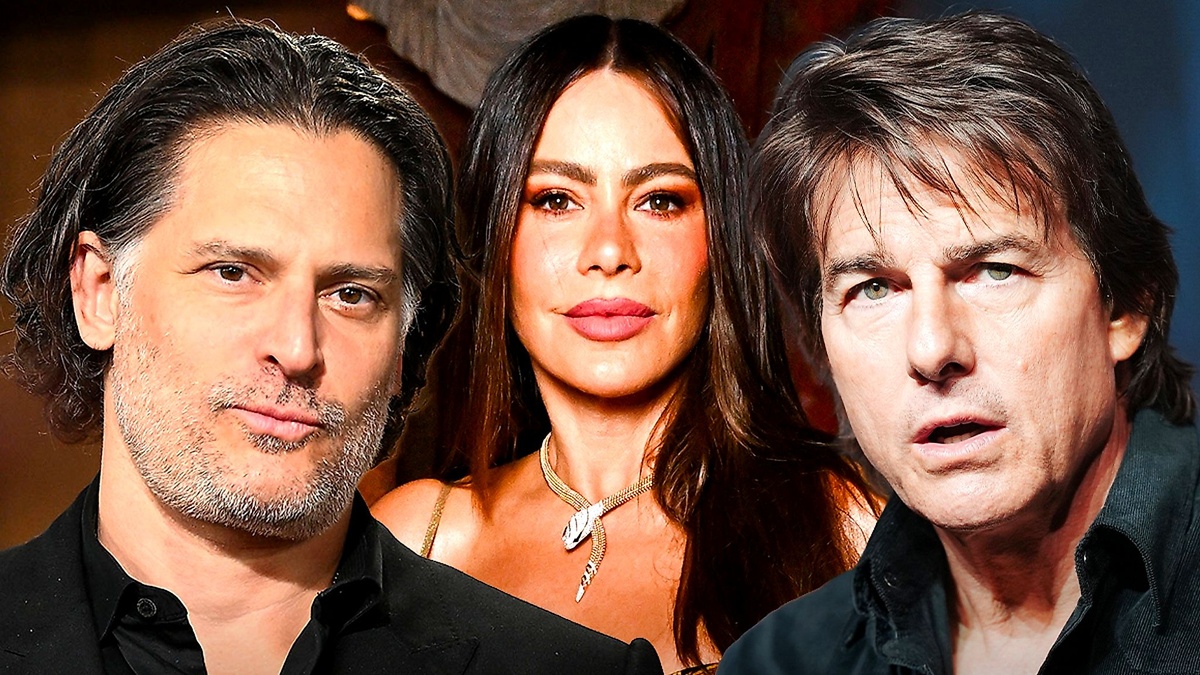
# **Joe Manganiello Claims Tom Cruise Stole His Reacher Role Over Sofía** Joe Manganiello, the muscular star of *The 100* and *True Blood*, has revealed in his latest memoir that a famous Hollywood actor allegedly blocked his chance to portray the legendary thriller character Jack Reacher on Amazon Prime.
The story, which surfaced in the book *Bloodlines*, ties the drama to a shared romantic past with Colombian‑American actress Sofía Vergara. In a move that could reverberate through the industry, Manganiello’s accusations spotlight how personal histories can ripple into professional opportunities.
The memoir, released this summer, chronicles Manganiello’s rise from a small‑town actor to a leading man, peppered with candid anecdotes about Hollywood’s power dynamics. Amid the recollections, he details a near‑miss with the coveted Reacher role—an action hero known for his towering presence and stoic demeanor.
In his account, Manganiello claims the role slipped from his grasp because Tom Cruise, an executive producer on the Amazon series, allegedly used their shared past with Vergara as leverage.
The claim hinges on a claim that Cruise and Vergara dated in 2005, long before her 2008 marriage to actor David Ortiz, and before Manganiello and Vergara's own brief romance.
For industry insiders, the allegation is more than a personal jab; it raises questions about casting biases, the influence of executive producers, and how a single actor’s name can shape a series’ trajectory.
If true, the narrative underscores the opaque decision‑making that often governs major streaming projects and highlights how even high‑profile talents can be subject to politics beyond the screen. ## Background & Context Manganiello first met the Amazon series’ production team during a long‑awaited meeting with Skydance’s Don Granger.
The actor describes the conversation as a blend of praise and technical concerns.
Granger reportedly told Manganiello that he embodied the physical and intellectual qualities of Jack Reacher, .” The memoir portrays the exchange as a moment of triumph, with the writer noting that both Granger and Skydance CEO David Ellison were “thrilled with his performance.” Lee Child himself, the author of the Reacher novels, is quoted as approving of Manganiello’s potential fit for the character.
However, the opportunity did not materialize. Manganiello explains that Amazon’s head of television, Jen Salke, reportedly felt excluded from the casting process after male producers made pivotal decisions.
Salke’s frustration was expressed as an internal complaint that led to a cascade of events.
Manganiello’s narrative suggests that once Salke’s voice was muted, a behind‑the‑scenes shift occurred that ultimately favored another actor—an individual who had not faced the same level of scrutiny for his stature or appearance.
The memoir points to a potential motive: Tom Cruise’s dual role as an executive producer and former film adaptation of Reacher. Cruise, who portrayed Reacher in the 2012 and 2016 film installments, had a significant say in creative direction.
The author hints that Cruise might have used his influence to ensure the role went to a fellow actor who had a more favorable relationship with the production’s power structure.
The specific trigger was allegedly Cruise’s knowledge that Manganiello and Vergara had dated, leading to an assumption that Manganiello’s interest in the role could be compromised by a personal connection to a co‑producer’s past partner.
The situation illustrates the complicated web of personal and professional ties that can sway casting decisions. The memoir does not confirm concrete evidence but suggests a pattern where reputational concerns and informal politics can override more overt measures of suitability.
Manganiello’s account offers a window into the less visible mechanisms of Hollywood, where the intersection of personal history and industry gatekeeping can alter the course of a star’s career. ## What People Are Saying Reactions to Manganiello’s claims have been swift and varied.
Fans of the actor have expressed frustration over the alleged snub, with many voicing support on social media. “He deserves the part,” a tweet from a dedicated fan noted, while others called for more transparency in the casting process.
The narrative has also sparked conversation among industry professionals, who debate the fairness of executive influence on roles.
A spokesperson for Amazon Prime Video, speaking without naming the actor, emphasized that casting decisions are based on a of factors, including chemistry, fit, and logistical considerations. Critics of the memoir argue that the story relies on speculation rather than hard evidence.
“The book does a good job of humanizing the actor, but it’s hard to separate fact from feeling,” a film journalist commented. Others, however, find the account credible due to the detailed descriptions of meetings and interactions with production heads.
“The level of detail about the conversation with Don Granger adds authenticity,” noted a television critic who has covered casting processes for several years. The claim also reignited interest in Sofía Vergara’s early career.
Vergara, who rose to fame in the early 2000s, had brief romantic ties with both Manganiello and later, the late David Ortiz. Although neither actor has publicly confirmed a relationship, the memoir references the past with a casual tone that suggests the writer’s belief in its authenticity.
The story has prompted speculation about how personal histories are remembered and shared in Hollywood’s fast‑moving environment. From a broader perspective, the incident has been cited in discussions about diversity and representation in casting.
Critics note that the Reacher character is a physically imposing male lead, and the memoir’s focus on height—“5‑foot‑7 versus 6‑foot‑5”—mirrors ongoing debates about the importance of physical attributes in action roles.
Some argue that casting decisions should prioritize skill over appearance, while others point out that the industry often aligns role expectations with audience expectations of authenticity. ## What Happens Next The fallout from Manganiello’s revelations could influence future casting practices in two significant ways.
First, it may prompt streaming platforms and networks to reexamine the transparency of their hiring processes, especially when executive producers hold multiple roles that could create conflicts of interest.
There are already growing calls for clearer guidelines that separate production oversight from creative decision‑making to prevent perceptions of favoritism. Second, the memoir may provide a catalyst for broader conversations about how personal relationships can affect career trajectories.
While Manganiello’s story is specific, it resonates with countless actors who navigate an industry where networking, friendships, and past romances can intersect in unforeseen ways.
If the narrative sparks increased scrutiny, it could lead to more robust support systems for actors seeking roles that align with their talent rather than their personal histories. For Manganiello himself, the story could open new avenues.
By positioning himself as a victim of industry politics, he may attract allies who see him as a champion against unfair practices. Alternatively, he could leverage the controversy to push for greater representation of diverse talent in leading action roles, positioning his own journey as a narrative of resilience.
Whatever path he chooses, the memoir has already established him as a vocal participant in Hollywood’s ongoing discourse about power, privilege, and opportunity.
In the meantime, the Amazon series will continue to move forward under its new lead, while fans of both Manganiello and Tom Cruise speculate about what might have been.
The conversation, sparked by a single book, highlights how the personal and the professional can collide in Hollywood’s glittering, and sometimes opaque, landscape.
The industry will be watching closely to see whether this story prompts tangible change or remains a cautionary tale about the hidden forces that shape a star’s destiny.
At a Glance
- Manganiello alleges Tom Cruise used his past with Sofía Vergara to block him from the Amazon Prime Reacher role.
- The memoir highlights alleged behind‑the‑scenes influence of executive producers and questions casting transparency.
- The claim sparks debate over personal relationships affecting career opportunities and prompts calls for clearer hiring guidelines.
Why It Matters
Our Take
GoNews Pulse Editorial Team
This article was prepared for publication by GoNews Pulse and checked for publication requirements under our editorial standards. We review available information and correct material errors when they are identified.
Quick Answers
- What is the latest update on this story?
- Manganiello claims Cruise 'blocked my Reacher chance because of my history with Sofía'—a claim that could ripple through casting.
- Who is this story about?
- This article covers developments related to Manganiello slams Cruise for snubbing Reacher role via Sofía's past. GoNews Pulse's editorial team monitors the story and updates the article as new verified information becomes available.
- Where can I read more about celebrity news?
- GoNews Pulse publishes original reporting on celebrity news and related entertainment news. Visit the homepage or browse the section dedicated to this story for the latest coverage.
More From This Section
Jessica Edwards' 27-Year Legacy Shakes Woodstock Film Festival
Jessica Edwards announced she will double the festival’s screen time for women filmmakers, promising a new wave of diverse stories at next spring’s event.

Taylor Swift's 36-Year-Old Red Turns Chiefs Fans Into Celebrity Crowd
Swift's front‑row red turtleneck and a heartfelt hug to Donna Kelce at Arrowhead left fans stunned as Chiefs edged Chargers 33‑30 in overtime.

Taylor Swift's 36-year-old drops 'The Fate of Ophelia' at Academy Gala
She stunned in a strapless pale‑blue Dior gown, opening with a brand‑new Toy Story 5 track and a 'Blank Space' performance, showcasing her theatrical flair.