
Mahershala Ali 2 Oscars don’t open doors revealing Hollywood’s barriers
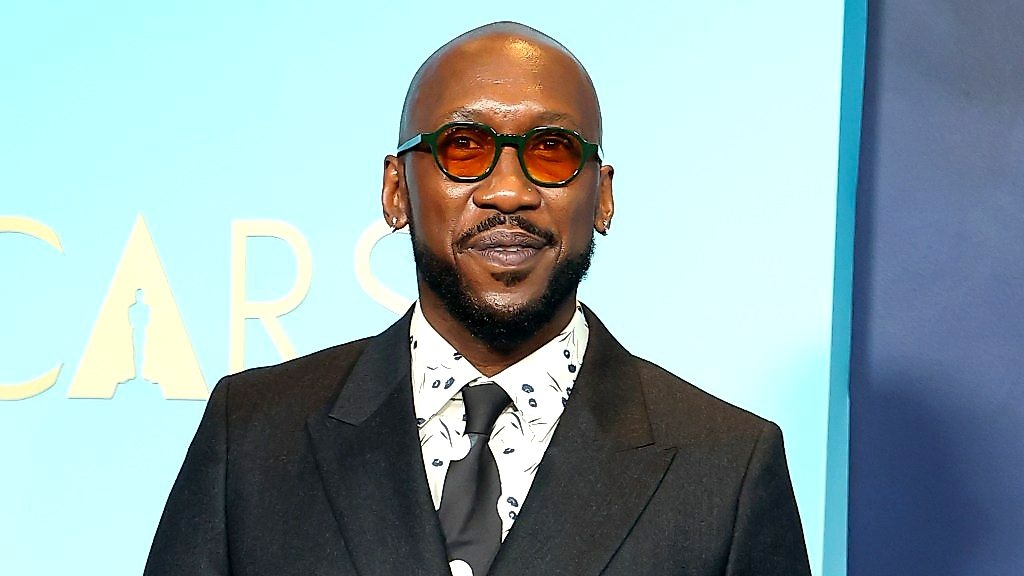
# **Mahershala Ali Says Two Oscars Don’t Guarantee a Role, Explains Why** Mahershala Ali, the twice‑acclaimed actor who lit up screens in *Moonlight* and *Green Book*, took a moment on the *7pm in Brooklyn* podcast to dissect an industry myth that has long whispered in casting rooms: that an Oscar is a golden ticket to the next big part.
In a candid, unvarnished interview, the actor challenged the notion that his two trophies can singlehandedly open doors, insisting that the award’s prestige is “just talk” and doesn’t translate into real opportunities. His comments arrived on a wave of conversations about diversity, equity, and inclusion in Hollywood.
While the entertainment world continues to spotlight the need for representation, many actors—especially Black performers—find themselves caught in a narrow box of “diversity projects.” Ali’s reflections, framed by his own career trajectory and the shifting priorities of studios, reveal a deeper frustration: that talent and recognition can still be eclipsed by the politics of greenlighting and marketable narratives.
The conversation digs into how a script’s quality, the writer’s vision, and a studio’s strategic priorities intersect with an actor’s chances to land a role. For Ali, the reality is that even a double Oscar cannot override not every script is written with him—or anyone—into mind.
The actor’s perspective offers a sobering reminder that the path to the spotlight is less about accolades and more about fit, timing, and the stories people choose to bring to life. ## Background & Context Mahershala Ali first burst onto the mainstream scene with his mesmerizing turn in *Moonlight*, earning him a Best Supporting Actor Oscar in 2017.
Four years later, he repeated the feat with *Green Book*, solidifying his place among the industry’s most respected performers. Yet, despite these accolades, the actor has spent years negotiating the realities of a system that still favors a limited range of narratives.
His latest commentary came during a 7pm in Brooklyn episode, a platform that regularly tackles pressing cultural and industry issues. Ali used the conversation to explain that an Oscar, while an honor, does not guarantee a future role.
He highlighted how many projects now revolve around market trends rather than artistic merit, and how the decision to greenlight a film often hinges on a studio’s perception of profitability and audience appeal. The backdrop of these remarks is a broader shift in Hollywood’s approach to diversity.
With some studios reportedly pulling back on their DEI commitments, the industry faces an unsettling trend: a retreat from inclusive storytelling in favor of conventional, risk‑averse projects.
Ali’s insights therefore touch on a critical tension between artistic integrity, commercial viability, and systemic representation. ## What People Are Saying Ali’s take has sparked conversations among peers, critics, and audiences alike.
Fellow actors have echoed his sentiment, pointing out that talent can still be overlooked if a script isn’t written with them in mind.
Many industry insiders recognize that an Oscar can elevate a resume, but the ultimate casting decision still depends on whether a particular role aligns with the actor’s craft and the project’s vision.
Some analysts argue that the film industry's focus on “good material” has become increasingly narrow, favoring stories that fit a pre‑determined box rather than daring, innovative concepts. By ” Ali underscores a systemic issue where the supply of suitable scripts far outpaces the demand for diverse voices.
This mismatch creates an environment where even award‑winning talent must navigate a maze of eligibility and fit. Public reaction to Ali’s comments has been mixed.
Fans praised his honesty, feeling vindicated by a candid perspective that aligns with their own observations of Hollywood’s slow progress. Others questioned whether a double Oscar should carry more weight, suggesting that the industry could do better to harness its influence to promote broader representation.
Regardless of the split opinion, Ali’s words have undeniably added a fresh layer to the ongoing dialogue about how awards, visibility, and actual roles intersect. ## What Happens Next The industry is watching closely to see whether Ali’s perspective will influence studio hiring practices or spark a renewed push for more diverse storytelling.
In the immediate aftermath, several upcoming projects—especially those led by Black writers and directors—have seen increased interest from producers looking to diversify their line‑ups.
While it remains uncertain whether these shifts will translate into substantive change, the conversation has certainly put the spotlight on the disconnect between accolades and actual role availability.
For Mahershala Ali himself, the next chapter may involve seeking projects that break away from conventional “diversity” tropes, choosing stories that simply reflect his artistic aspirations rather than being framed around a particular identity.
His recent involvement in Bassam Tariq’s *Your Mother, Your Mother, Your Mother* signals a desire to tackle complex, multilayered narratives that resonate on a human level.
By aligning with writers who craft characters beyond tokenism, Ali may carve a path that demonstrates how recognition can coexist with authentic storytelling. Industry stakeholders might also revisit their evaluation metrics.
With DEI programs on the back burner, studios could explore new models for identifying and nurturing talent that prioritizes creative fit over demographic checklists. If the conversation leads to tangible policy shifts, it could reshape casting dynamics for years to come.
In the end, Mahershala Ali’s statement serves as a reminder that while Oscars are prestigious symbols of achievement, they are not the ultimate key to a flourishing career.
Success in Hollywood, it appears, hinges on a complex blend of timing, storytelling, and, perhaps most importantly, the willingness of studios to look beyond awards and toward the stories that truly matter.
At a Glance
- Mahershala Ali argues that two Oscars don’t guarantee roles, highlighting that industry gatekeeping hinges on market trends and studio priorities.
- He underscores the limited “diversity projects” pipeline, showing talent is still overlooked when scripts aren’t written with actors in mind.
- The conversation may spur studios to rethink DEI commitments and prioritize authentic storytelling over tokenism.
Why It Matters
Our Take
GoNews Pulse Editorial Team
This article was prepared for publication by GoNews Pulse and checked for publication requirements under our editorial standards. We review available information and correct material errors when they are identified.
Quick Answers
- What is the latest update on this story?
- Ali bluntly said on the 7pm in Brooklyn podcast that despite two Oscars, he still struggles to find roles,
- Who is this story about?
- This article covers developments related to Mahershala Ali 2 Oscars don’t open doors revealing Hollywood’s barriers. GoNews Pulse's editorial team monitors the story and updates the article as new verified information becomes available.
- Where can I read more about celebrity news?
- GoNews Pulse publishes original reporting on celebrity news and related entertainment news. Visit the homepage or browse the section dedicated to this story for the latest coverage.
More From This Section

Macy’s 100th Parade moves Thanksgiving to Saturday, rattling NYC
The post notes that a 40‑mph wind forecast and high surf could endanger balloons, prompting organizers to shift the event to a safer Saturday.

Brad Pitt & Angelina Jolie End 8-Year Miraval War, $10M Settlement
The exes' joint statement confirmed a confidential $10 million settlement, ending a courtroom saga that rattled Hollywood's wine industry.
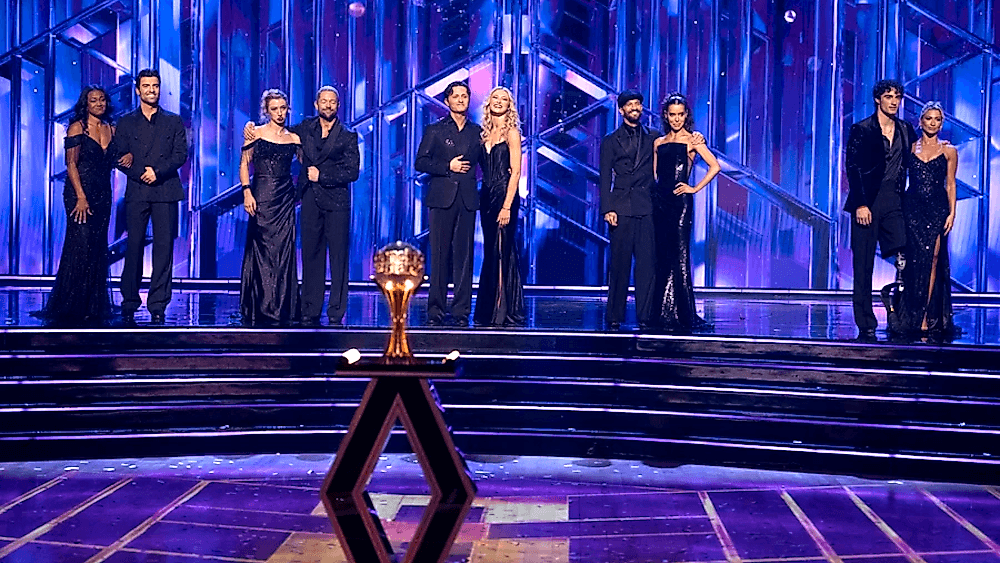
Ezra Frech, 27, wins DWS as youngest champion and first amputee
The finale drew 9.2 million live‑plus‑same‑day viewers, matching last year’s numbers and smashing a 2.38 rating in the 18‑49 demo that fans still replay.