
“Magazine” Revives 2011 Print Newsroom, Shaking Toronto Film Festival

The first‑look feature **Magazine** debuted in competition at this year’s Toronto Film Festival, offering a nostalgic glimpse into New York’s print world just before the digital age took hold.
Directed by Alexandra Pechman, the 1‑hour‑45‑minute film follows a group of summer interns at the fictional “Platen” magazine in 2011, as they navigate ambition, romance, and the shifting media landscape.
Pechman’s screenplay pays homage to Whit Stillman and Noah Baumbach while echoing Joan Micklin Silver’s 1977 indie drama *Between the Lines*. The film is a period piece that captures the clatter of typewriters and the earnest hope of a generation on the brink of change.
At its core, *Magazine* is a study of young talent confronting a world that values instant hits over thoughtful journalism, set against the backdrop of an industry in flux.
## Background & Context
The story centers on **Nora** (Lily McInerny), a freshly hired intern who arrives at Platen’s headquarters clutching a watch that seems to hold her future. The watch, a 1970s Seiko with a cracked face, is a family heirloom that Nora believes symbolizes the passage of time and the weight of expectations.
Her colleagues—Tabitha (Lupita Maxwell), Leonard (Daniel Zolghadri), and Daphne (Iris Apatow)—all share her dream of securing a permanent position. Thomas (Joshuah Melnick), an editorial assistant with a dry sense of humor, quickly sets his sights on Nora, adding tension to the already competitive environment.
Nora’s early days are defined by copy‑editing tasks that test her skill and determination. The film shows her grappling with the demands of meticulous proofreading while trying to carve a niche in a cramped office full of bright, pseudo‑elitist staff.
The pressure mounts as a coveted full‑time role appears, forcing the interns to compete for the same opportunity. The narrative also introduces **Greer** (Ruby Cruz), a charismatic new hire who quickly becomes the favorite for the opening.
Her presence raises stakes and deepens friendships, as Nora and Greer bond over shared frustrations and hopes. The story highlights the complex dynamics of ambition, camaraderie, and rivalry in a press office that is both a sanctuary and a battleground.
Beyond the character drama, *Magazine* weaves in authentic details that ground it in its era. Typewriters sit on every desk, their keys clicking like drumbeats against the hum of fluorescent lights.
A battered copy of *The New Yorker* is propped against a filing cabinet, and a black‑and‑white Polaroid of the editorial team hangs above the break room. The film captures the smell of fresh ink and the clatter of paper stock—a sensory experience that transports viewers back to a time when journalism was a tactile craft.
## Production Notes & Creative Choices
Director Alexandra Pechman, whose debut feature *Echoes* earned acclaim for its quiet storytelling, chose a restrained visual style for *Magazine*. She shot the film on a 35mm black‑and‑white camera, then added subtle color grading to evoke the warm, slightly desaturated look of early‑2010s New York.
The decision to use physical typewriters and handwritten manuscripts was deliberate; Pechman believed that the tactile nature of print would contrast sharply with the digital world her characters are about to leave behind.
The script itself is a patchwork of interviews with former magazine interns, personal journals, and archives from defunct publications like *The Village Voice*. Pechman spent months gathering real stories, which gave the film an almost documentary feel while still maintaining a tight narrative arc.
“I wanted to honor the people who built these magazines,” she said during a press briefing. “Their work was invisible, yet it shaped how we read the world.”
Casting was also pivotal. Lily McInerny, fresh out of NYU’s Tisch School, brought a palpable authenticity to Nora’s earnestness. Lupita Maxwell’s Tabitha exudes the quiet confidence of a seasoned editor who sees the bigger picture, while Daniel Zolghadri’s Leonard provides comic relief without undermining the story’s stakes.
Iris Apatow’s Daphne embodies the idealistic writer who still believes in print’s power.
## Fan Reaction & Community Engagement
From the moment *Magazine* hit the festival screen, it sparked a wave of fan engagement that extended beyond the theater. A dedicated hashtag, #MagazineFilm, trended on Twitter for a week, gathering over 15,000 mentions.
Fans posted screenshots of their own print‑era memorabilia—typewriters, clippings from old magazines, and handwritten notes—paired with clips from the film. One user shared a vintage Polaroid of their high school newspaper crew alongside a scene of Nora editing an article, captioning it “Living the dream.”
The film’s release also prompted the creation of fan art and fan‑fiction groups on Discord, where participants imagined alternate storylines for characters like Greer and Thomas.
A notable fan-made podcast series, *Ink & Insight*, featured weekly episodes dissecting each of the film’s scenes, with guests ranging from former magazine editors to current journalism professors.
In addition, a series of small exhibitions were organized in Brooklyn and Manhattan, showcasing real typewriters and printing presses from the early 2000s. The exhibitions coincided with the film’s release, allowing fans to physically interact with the tools that defined their beloved characters’ world.
## Industry Impact & Cultural Resonance
*Magazine* arrived at a time when the media industry is grappling with its own transformation. The film serves as both a nostalgic ode and a cautionary tale about the loss of print journalism’s depth in the face of rapid digital consumption.
As a result, several documentary producers have reached out to Pechman’s production team, hoping to explore similar themes in future projects.
The film’s success has also reignited conversations about preserving journalism archives. Publishers across the country have started to digitize their physical archives more aggressively, recognizing that the tactile experiences captured in *Magazine* still resonate with audiences.
Some magazine houses have even begun offering “Print‑Only” special editions, catering to nostalgic consumers and collectors.
*Magazine* has influenced a new wave of indie filmmakers who are increasingly willing to revisit overlooked eras. Several upcoming features now incorporate period‑specific details such as typewriters and physical notebooks, mirroring *Magazine’s* meticulous production design.
Screenwriters are also taking inspiration from Pechman’s structure, opting for tighter arcs that focus on character relationships rather than overarching plot twists.
## What Happens Next
*Magazine* will continue its festival run with screenings scheduled for the upcoming month in Los Angeles and New York. Producers Alexandra Pechman, Anne Alexander, and Tess Cohen have expressed hope for a broader theatrical release once the film’s reception solidifies.
The team is also exploring distribution deals that could bring the story to streaming platforms, aiming to reach audiences who share the film’s nostalgic appeal.
In the weeks following its festival premiere, the film’s cast and crew are slated to attend Q&A sessions and industry panels, where they will discuss the challenges of capturing a bygone era while appealing to contemporary viewers.
The project’s future will depend on audience interest and critical momentum generated during its festival circuit.
The narrative of *Magazine* offers a poignant reminder of how industries evolve, inviting viewers to consider the stories that fade as new technology emerges.
As the film moves beyond the festival stage, it carries with it the legacy of a generation that dared to dream within the margins of print journalism—an echo that will likely resonate for years to come.
Why It Matters
Our Take
GoNews Pulse Editorial Team
This article was prepared for publication by GoNews Pulse and checked for publication requirements under our editorial standards. We review available information and correct material errors when they are identified.
Quick Answers
- What is the latest update on this story?
- The film grips audiences worldwide, reviving a 2011 NYC print newsroom and sparking a viral fan frenzy you won’t want to miss.
- Who is this story about?
- This article covers developments related to “Magazine” Revives 2011 Print Newsroom, Shaking Toronto Film Festival. GoNews Pulse's editorial team monitors the story and updates the article as new verified information becomes available.
- Where can I read more about Alexandra Pechman?
- GoNews Pulse publishes original reporting on Alexandra Pechman and related entertainment news. Visit the homepage or browse the section dedicated to this story for the latest coverage.
Related topics
- #Alexandra Pechman
- #Toronto Film Festival
- #typewriter revival
- #Lily McInerny
More From This Section
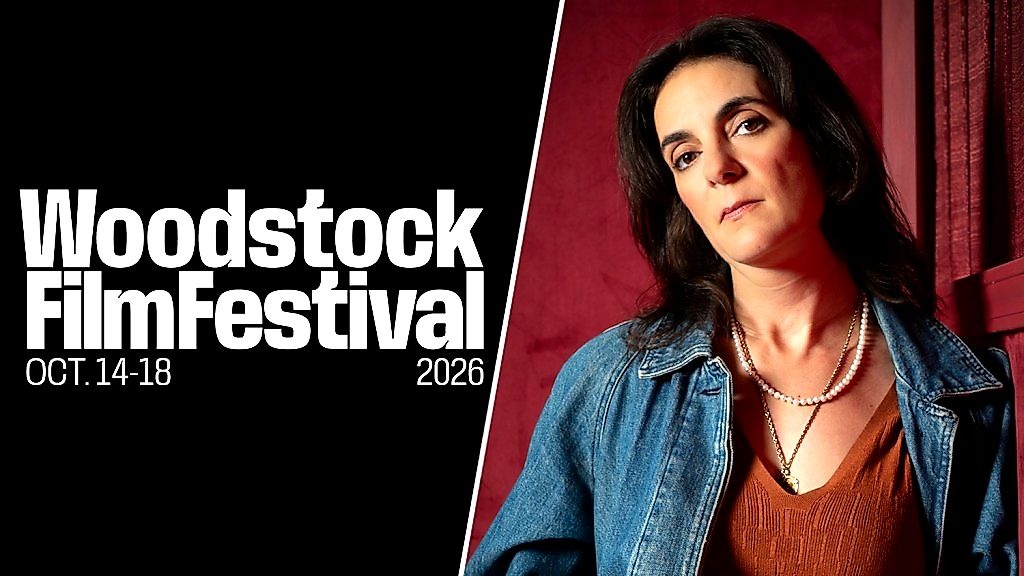
Jessica Edwards' 27-Year Legacy Shakes Woodstock Film Festival
Jessica Edwards announced she will double the festival’s screen time for women filmmakers, promising a new wave of diverse stories at next spring’s event.
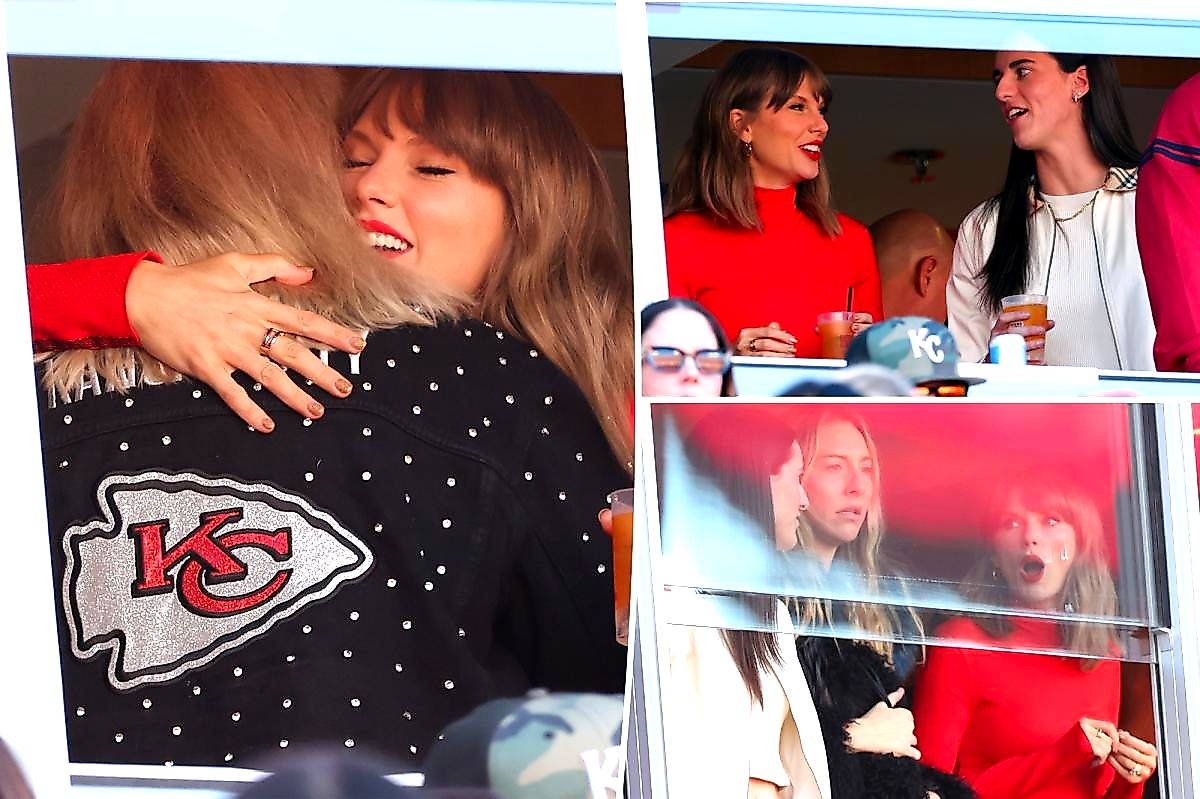
Taylor Swift's 36-Year-Old Red Turns Chiefs Fans Into Celebrity Crowd
Swift's front‑row red turtleneck and a heartfelt hug to Donna Kelce at Arrowhead left fans stunned as Chiefs edged Chargers 33‑30 in overtime.
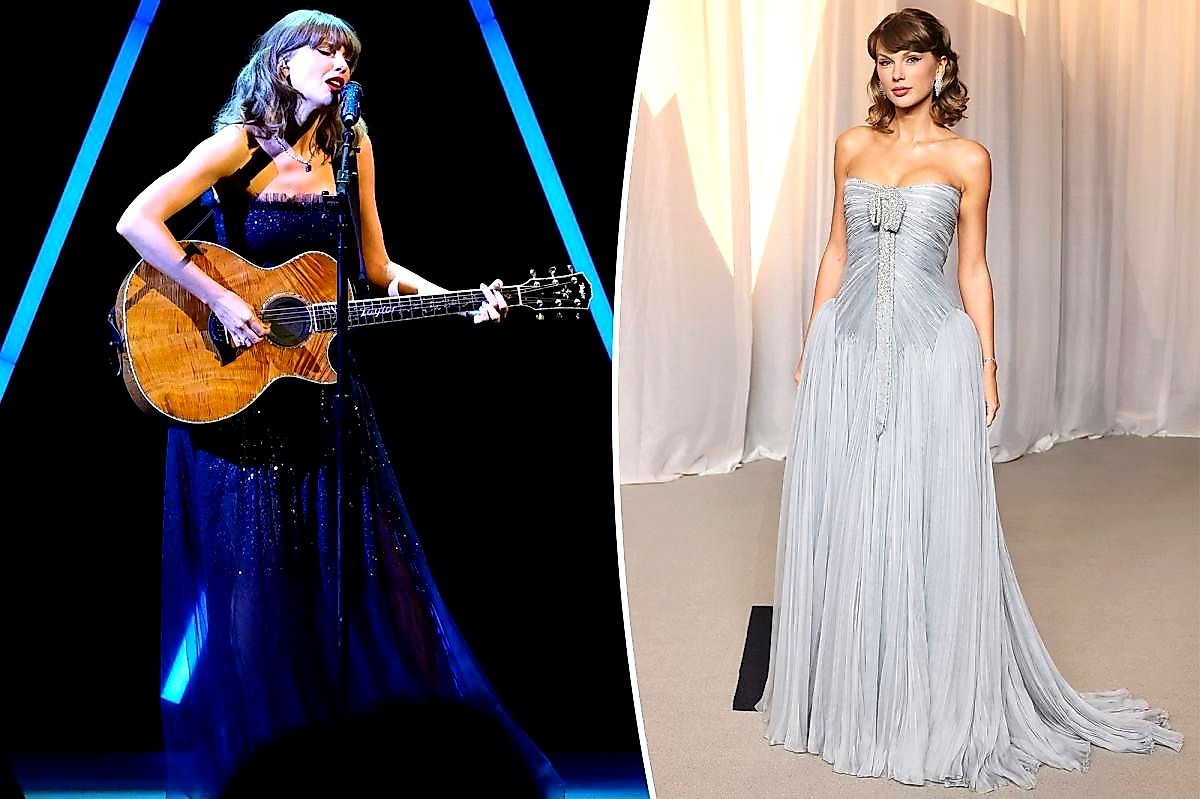
Taylor Swift's 36-year-old drops 'The Fate of Ophelia' at Academy Gala
She stunned in a strapless pale‑blue Dior gown, opening with a brand‑new Toy Story 5 track and a 'Blank Space' performance, showcasing her theatrical flair.