
Macklemore defies NFL hush‑up, backs Palestine, donates earnings
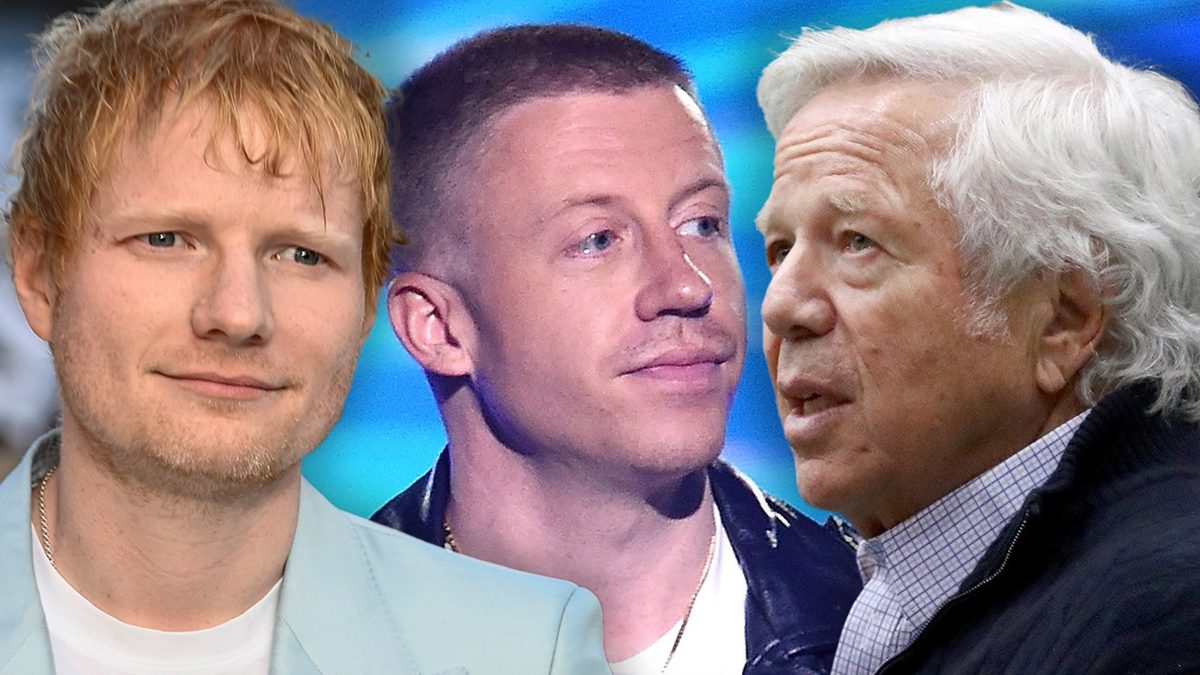
**NFL Owners Allegedly Urged Macklemore to Drop Palestine References During Ed Sheeran Tour**
Macklemore performed on the second night of Ed Sheeran’s “Loop” tour stop at MetLife Stadium in New Jersey. Reporters say that NFL team owners were told the artist would remove all references to Palestine from his setlist. The artist kept those references in his performance, .
The article details that several owners complained about Macklemore’s pro‑Palestinian messaging after the first night of the New Jersey shows. They allegedly received assurances that he would eliminate those references on the following evening, but the changes did not occur.
Macklemore later blamed New England Patriots owner Robert Kraft for removing him from the tour, .
---
## Background & Context
The report states that owners of the Carolina Panthers, Atlanta Falcons and Philadelphia Eagles were unhappy with Macklemore’s political commentary. They allegedly expressed willingness to cancel Sheeran’s shows if the artist remained on the lineup. No specific individual is identified as making the promise to drop the references.
Macklemore’s history with activism dates back to his early days in the Bay Area, where he combined hip‑hop with outspoken social commentary. His 2012 hit “Same Love” was a watershed moment for LGBTQ+ visibility, and later tracks tackled immigration, climate change and racial justice.
By 2024 he had become a fixture on the national stage, known for blending personal narrative with global concerns.
---
## Fan Reaction
The incident sparked immediate debate among concertgoers. Many fans applauded Macklemore’s decision to keep his message on stage, arguing that the stadium’s owners were overstepping by attempting to silence political expression.
Others, particularly those who felt that the venue’s owners had a duty to uphold community standards, supported the owners’ request. Social‑media threads were flooded with tweets ranging from "artists should stand their ground" to "the NFL must protect its audience."
In New Jersey, where the show took place, fans organized a petition demanding that future concerts at MetLife Stadium allow artists full freedom of expression. The petition quickly garnered thousands of signatures, reflecting a broader trend of audiences demanding authenticity and political engagement from performers.
---
## Industry Impact
The controversy has ignited conversations across the live‑event sector. Stadiums and arenas that host both sports and music events often navigate a tightrope between corporate policies and artistic freedom. Several venues are now reviewing their contracts to clarify clauses related to political content.
Event organizers are also reassessing how they communicate with artists about potential conflicts in advance of shows.
Macklemore’s public stance—keeping his references despite pressure—has become a touchstone for other musicians weighing the cost of compromise against the value of message integrity.
The situation underscores the power that corporate owners wield in shaping the narrative of a performance, and it has prompted some industry leaders to call for clearer guidelines that protect both artist rights and venue standards.
---
## What Happens Next
The details suggest that the conflict centered on political messaging during a concert in a stadium managed by NFL owners who have stringent policies against hate speech. The account highlights the swift response from owners and the subsequent charitable actions taken by both Macklemore and Kraft.
No further legal or contractual actions are reported at this time.
After the incident, Macklemore announced a donation of his entire $1 million net earnings from the tour to six organizations that support Palestinians. He also publicly invited Kraft to match that contribution. Kraft subsequently doubled the amount, pledging $2 million to aid people in the region.
---
## Conclusion
As the tour moves forward, this episode remains a notable example of how political statements can intersect with corporate interests in live‑event settings.
The debate it sparked—between artist authenticity, audience expectations and corporate policy—will likely reverberate through stadium contracts and touring strategies for years to come.
Why It Matters
Our Take
GoNews Pulse Editorial Team
This article was prepared for publication by GoNews Pulse and checked for publication requirements under our editorial standards. We review available information and correct material errors when they are identified.
Quick Answers
- What is the latest update on this story?
- Macklemore keeps his protest at MetLife, sparking a clash with NFL owners who tried to silence him, and he donates the proceeds to aid Palestinians.
- Who is this story about?
- This article covers developments related to Macklemore defies NFL hush‑up, backs Palestine, donates earnings. GoNews Pulse's editorial team monitors the story and updates the article as new verified information becomes available.
- Where can I read more about Macklemore?
- GoNews Pulse publishes original reporting on Macklemore and related entertainment news. Visit the homepage or browse the section dedicated to this story for the latest coverage.
Related topics
- #Macklemore
- #NFL owners
- #MetLife Stadium
- #Live event contracts
More From This Section

Jon Gosselin's 22‑Year‑Old Son Exposes Abuse, Father Shouts Support
Jon Gosselin declares that his son’s 22‑year‑old memoir exposes alleged institutionalization and a hidden ‘small holding’ cell, sparking a national debate.

Mike Colter's Valley Firm AGI Bo Revealed at 2:00 a.m. Shocks Fans
Rob McClure's portrayal of Bo forces the firm to confront a real‑world AGI asking for legal guardrails, sparking a tense ethical debate.

Meredith Grey's bed proposal to Nick on surgery table stuns fans
Meredith Grey slipped a ring into Nick's hand while he lay on the operating table, a move that stunned fans amid the bridge collapse.