
Mackenzie Phillips Calls Masur ‘Not Very Nice’ on One Day at a Time
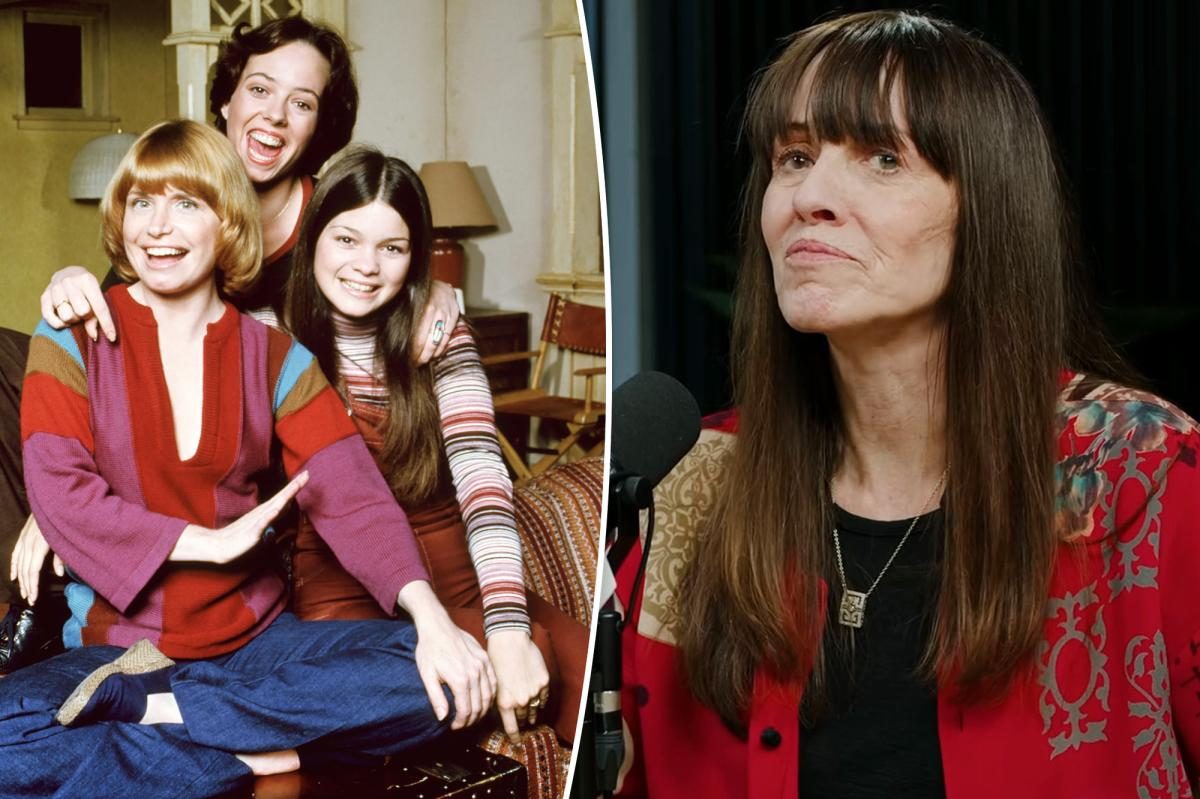
On the latest episode of Valerie Bertinelli’s podcast **“Getting Naked,”** former *One Day at a Time* star Mackenzie Phillips revealed a tense chapter from the early days of the sitcom.
She admitted that her relationship with co‑star Richard Masur—who played divorce lawyer David Kane in season 1—was strained, describing him as “not very nice.” Phillips said they later made peace when they ran into each other at an event years later, and Masur apologized for any past misunderstandings.
## Background & Context
*One Day at a Time* premiered in 1975 and quickly became one of CBS’s most beloved family comedies. The show followed the lives of the Evans family—a working‑class couple and their teenage daughter—in a small Midwestern town.
It was notable for its progressive storytelling, tackling issues such as divorce, mental health, and later LGBTQ+ themes with sensitivity ahead of its time. The core cast included Mackenzie Phillips (Mandy), Valerie Bertinelli (Pat), Bonnie Franklin (Ann), Pat Harrington Jr. (George), and Mary Louise Wilson (Sharon).
Richard Masur joined the ensemble in that first season, brought in by producer Norman Lear to fill the role of a slick divorce attorney who becomes entangled with Ann Romano. His character made a brief yet memorable appearance before being written out after a dramatic exit that involved Ann’s on‑screen breakup.
Lear, known for his groundbreaking work on *All in the Family*, *Maude*, and *The Jeffersons*, was a central figure behind the show’s success. Lear passed away in 2023 at age 101.
## What Phillips Shared
Phillips said that when they ran into each other at an event years later, Masur apologized and expressed admiration for her talent. “I saw him and he said, ‘I don’t even remember what it was. I don’t even remember what I said, but whatever I said, I’m really sorry.
And I’ve always thought you were so incredibly talented and we were all so young,’” Phillips recalled.
## Bertinelli’s Take on Norman Lear
Bertinelli shared her own memories of working under Lear’s watchful eye. She admitted that she was always afraid of being reprimanded, especially during the first season’s finale when she had to cry in a pivotal scene.
“He was the one that immediately took me aside when I had to cry in the finale of the first season and I couldn’t do it,” she recalled. “And I couldn’t do it. I was too embarrassed.
I wasn’t an actor. I was just learning how to do this.”
Bertinelli noted that she “felt very protected and was in awe” of Lear, who died in 2023 at age 101. “Both of us are incredibly lucky to have such a mentor, and someone who wasn’t what you think Hollywood is, because young girls in Hollywood are eaten up and [spit] out, and we were not, under Norman’s tutelage,” she told Phillips.
Phillips, for her part, explained that she “had a wonderful relationship” with the legendary producer.
## Fan Reaction
When the podcast episode dropped, fans flooded social media with comments. Many praised Phillips for being candid about on‑set drama, while others expressed empathy for Masur, noting that early sitcoms were notorious for strict hierarchies.
A wave of nostalgia emerged, as viewers revisited episodes of *One Day at a Time* to see the chemistry between characters and remember how the show navigated social issues with humor and heart.
## Conclusion
The podcast episode not only rekindled memories of a classic sitcom but also highlighted the complex human relationships behind the scenes.
Mackenzie Phillips’ candid appraisal of her early experience with Richard Masur, coupled with her later reconciliation, offers a glimpse into how talent and temperament intersected in a high‑pressure environment.
Valerie Bertinelli’s reflections on Norman Lear’s mentorship further illuminate the protective culture that helped shape a generation of performers. For fans, the conversation offers a rare behind‑the‑scenes glimpse into the personal dynamics that influenced one of television’s most enduring family comedies.
Why It Matters
Our Take
GoNews Pulse Editorial Team
This article was prepared for publication by GoNews Pulse and checked for publication requirements under our editorial standards. We review available information and correct material errors when they are identified.
Quick Answers
- What is the latest update on this story?
- She calls him “not very nice” and then they reconcile—what sparked the surprise comeback?
- Who is this story about?
- This article covers developments related to Mackenzie Phillips Calls Masur ‘Not Very Nice’ on One Day at a Time. GoNews Pulse's editorial team monitors the story and updates the article as new verified information becomes available.
- Where can I read more about Mackenzie Phillips?
- GoNews Pulse publishes original reporting on Mackenzie Phillips and related entertainment news. Visit the homepage or browse the section dedicated to this story for the latest coverage.
Related topics
- #Mackenzie Phillips
- #Richard Masur
- #Norman Lear
- #Valerie Bertinelli
More From This Section

Jon Gosselin's 22‑Year‑Old Son Exposes Abuse, Father Shouts Support
Jon Gosselin declares that his son’s 22‑year‑old memoir exposes alleged institutionalization and a hidden ‘small holding’ cell, sparking a national debate.

Mike Colter's Valley Firm AGI Bo Revealed at 2:00 a.m. Shocks Fans
Rob McClure's portrayal of Bo forces the firm to confront a real‑world AGI asking for legal guardrails, sparking a tense ethical debate.

Meredith Grey's bed proposal to Nick on surgery table stuns fans
Meredith Grey slipped a ring into Nick's hand while he lay on the operating table, a move that stunned fans amid the bridge collapse.