
Luke Evans finally breaks silence on gay roles after 15 years
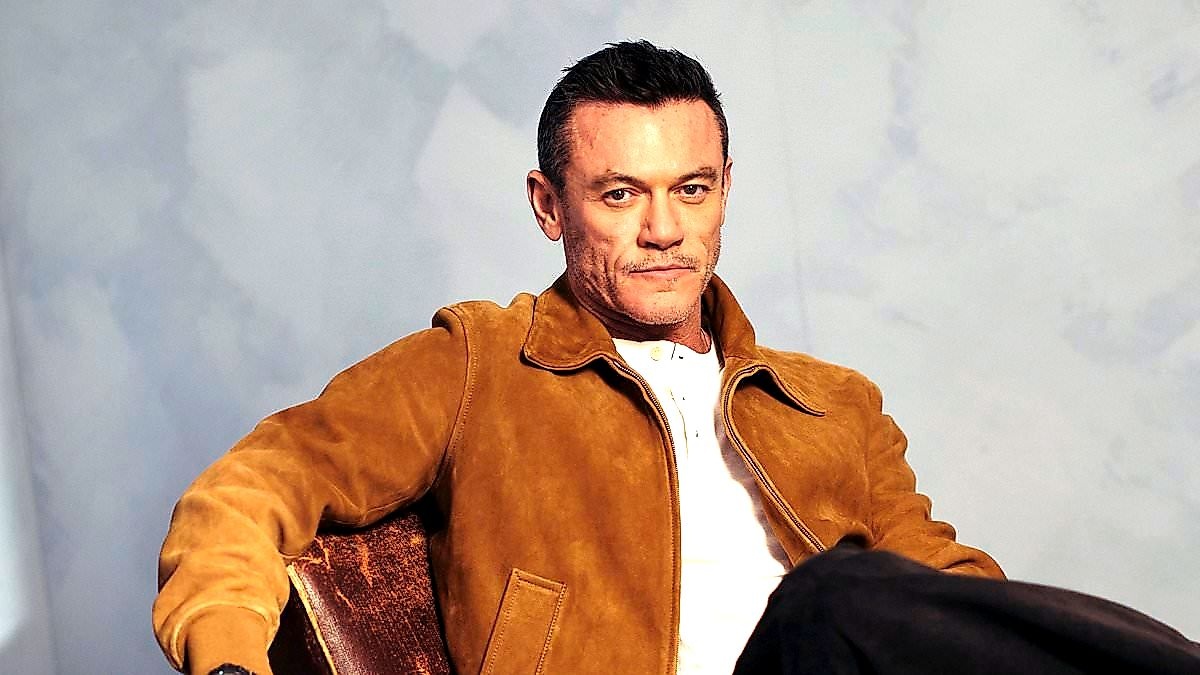
# Luke Evans Breaks Silence on Gay Roles, Says Queer Isn’t a Ticket to Woke Stardom Luke Evans has long been a fixture of British drama, yet his latest work on ITV’s political thriller *The Party* has thrust him into a debate that stretches beyond the screen.
Portraying Martin Gilmour, a married journalist whose private world hides a deep love for former schoolmate and now right‑wing politician Ben Fitzmaurice, Evans is forced to confront the nuances of identity and representation.
The role, set against a backdrop of political intrigue and personal turmoil, has sparked conversations about whether LGBTQ characters should be limited to actors who share their sexual orientation. The actor’s voice in this conversation carries weight for two reasons.
First, Evans himself has navigated the entertainment industry as a gay man for nearly three decades, balancing mainstream roles with projects that explore his own sexuality.
Second, his current performance underscores the growing push for authentic representation, even as audiences increasingly demand more inclusive storytelling.
By sharing his perspective on the “woke” label and the politics of casting, Evans invites viewers to rethink assumptions about who should tell queer stories. ## Background & Context From the gritty streets of Pontypool to the polished sets of London, Luke Evans’ career has been defined by versatility.
He first cut his teeth in television with a series of supporting roles that showcased a rugged charisma often associated with action and romance. Over the years, Evans built a reputation for playing straight, macho characters—roles that demanded physical presence and a certain stoicism.
In *The Party*, however, he takes a step into more emotionally complex territory.
Martin Gilmour is a man who keeps his true self hidden behind a veneer of marital bliss, navigating the moral gray zones of a political newsroom while harboring a secret affection for a politician whose public persona clashes with his private feelings.
The show’s narrative forces Evans to balance the duality of a character who is outwardly conforming to societal expectations yet internally at war with his identity. The production itself has been lauded for its sharp dialogue and political relevance.
Set against the backdrop of contemporary British politics, the series dives into the tension between personal truth and public duty, a theme that resonates with Evans’ own life experiences.
His move to Lisbon, where he has lived with partner Fran Tomas for six years, adds another layer of personal authenticity to his portrayal.
The city’s relaxed pace and cultural vibrancy contrast sharply with the high‑stakes world of *The Party*, mirroring the duality of Evans’ on‑screen character. ## What People Are Saying Evans has long been outspoken about the diversity of opinions within the LGBTQ community.
He has noted that being gay does not automatically translate into a “woke” worldview, highlighting the diversity of political and cultural beliefs among queer individuals. “Just because you are gay yourself doesn’t mean you have to be woke,” he explained.
“Your sexuality is one part of who you are, but our opinions on society and life differ in every single person.” The actor’s comments come at a time when Hollywood and television networks are reassessing casting practices.
The debate over whether only LGBTQ actors should play LGBTQ roles has intensified, with critics arguing that representation matters not only in front of the camera but also behind the scenes.
Evans has emphasized that he has “played mostly straight macho roles” throughout his career, a fact he uses to illustrate that casting decisions should focus on skill and suitability rather than identity alone.
In the same vein, Evans acknowledged that the industry still struggles with sufficient opportunities for gay actors to portray gay characters, and for trans actors to portray trans characters.
He suggested that the era of high‑profile, straight actors taking on trans roles—an approach he believes is now outdated—needs to end. “The time is over for famous big Hollywood actors to play a trans character,” he said.
“That shouldn’t happen any more.” While Evans defends the principle of artistic freedom, he also recognizes the power of authentic representation. He has praised straight actors who deliver nuanced performances of queer characters, arguing that such portrayals can be profoundly moving when handled with care.
“Some of the most compelling, profound performances I've ever seen have been straight actors playing gay characters,” he remarked, underscoring the need for sensitivity and depth in storytelling. ## What Happens Next Fans of *The Party* are eagerly awaiting the next season, hopeful that the series will maintain its sharp commentary while deepening the emotional stakes for Martin Gilmour.
Whether Evans will reprise his role or transition to a new character remains to be seen, but his recent public statements suggest that he will continue to challenge conventional narratives. The industry will watch closely as Evans balances his established brand with his commitment to authentic storytelling.
In a landscape where actors are increasingly held accountable for the messages they send, Luke Evans stands as a reminder that talent, sincerity, and thoughtful reflection can transcend rigid casting rules.
His journey—from a bullied youth in a small Welsh town to an award‑winning actor in Lisbon—serves as the power of perseverance and the ongoing quest for representation that feels true, both on and off the screen.
At a Glance
- Evans challenges the notion that only LGBTQ actors should portray queer characters.
- He stresses that being gay does not automatically mean being "woke", highlighting diversity within the community.
- His role in ITV's *The Party* and upcoming projects underline the push for authentic representation and his mentorship of queer actors.
Why It Matters
Our Take
GoNews Pulse Editorial Team
This article was prepared for publication by GoNews Pulse and checked for publication requirements under our editorial standards. We review available information and correct material errors when they are identified.
Quick Answers
- What is the latest update on this story?
- Evans declares, 'Being gay doesn't equal being woke,' sparking debate after his reveal that he lives in Lisbon with partner Fran Tomas.
- Who is this story about?
- This article covers developments related to Luke Evans finally breaks silence on gay roles after 15 years. GoNews Pulse's editorial team monitors the story and updates the article as new verified information becomes available.
- Where can I read more about celebrity news?
- GoNews Pulse publishes original reporting on celebrity news and related entertainment news. Visit the homepage or browse the section dedicated to this story for the latest coverage.
More From This Section

Jon Gosselin's 22‑Year‑Old Son Exposes Abuse, Father Shouts Support
Jon Gosselin declares that his son’s 22‑year‑old memoir exposes alleged institutionalization and a hidden ‘small holding’ cell, sparking a national debate.

Mike Colter's Valley Firm AGI Bo Revealed at 2:00 a.m. Shocks Fans
Rob McClure's portrayal of Bo forces the firm to confront a real‑world AGI asking for legal guardrails, sparking a tense ethical debate.

Meredith Grey's bed proposal to Nick on surgery table stuns fans
Meredith Grey slipped a ring into Nick's hand while he lay on the operating table, a move that stunned fans amid the bridge collapse.