
Lindsay Clancy Breaks Down, Court Pauses Twice During Autopsy
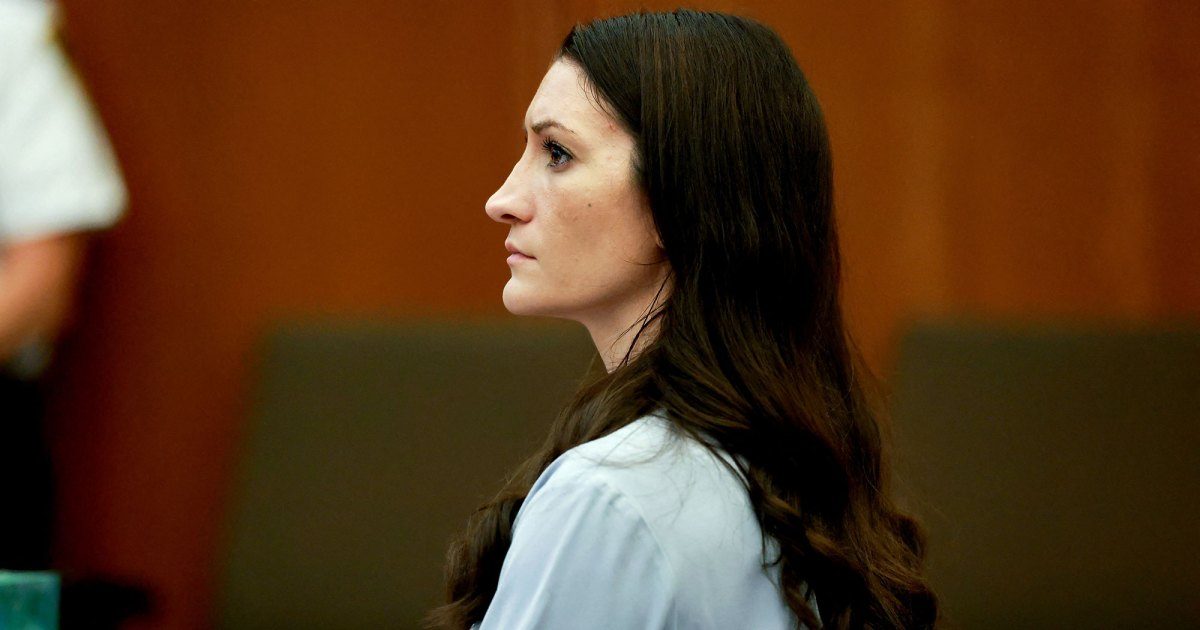
Lindsay Clancy’s courtroom drama took a dramatic pause on Wednesday, August 12, when the 36‑year‑old mother of three collapsed into tears during two separate autopsy presentations. The trial, still ongoing in Massachusetts, was recessed twice after Clancy’s emotional outbursts.
Her statement “I can’t do this” was captured on video by the New York Post.
The case centers on the deaths of Clancy’s children—Cora, 5; Dawson, 3; and Callan, 8 months—who were killed in January 2023. Clancy has admitted to the killings but pleaded not guilty to first‑degree murder.
Her defense argues she was suffering from extreme postpartum psychosis while heavily medicated, asserting she was not criminally responsible.
Prosecutors counter that Clancy was aware of her actions and point to a suicide attempt shortly after the murders. They say her jump from the second story of her home suggests intentionality. The courtroom’s emotional moments are rare, making the recent breakdowns all the more striking.
## Background & Context
The trial began after authorities investigated the deaths of Cora, Dawson, and Callan. Autopsies revealed asphyxiation as the cause of death for all three children. During testimony, medical examiner Renee Stonebridge reported that the kids endured pain for 10‑30 seconds before losing consciousness.
Stonebridge’s explanation set the stage for a tense courtroom atmosphere.
Earlier in the proceedings, on August 6, another emotional episode unfolded when Massachusetts medical examiner Dr. Kimberley Springer testified about Callan’s autopsy. Springer described abrasions and needle marks from “therapeutic procedures” observed on the infant.
Clancy was visibly upset while viewing the autopsy photos, and several jurors showed signs of distress as well.
Clancy’s admission of the killings has led her attorneys to argue for a verdict of not criminally responsible. They cite her heavy medication regimen and severe postpartum psychosis at the time of the murders.
The defense’s theory hinges on mental illness as a mitigating factor that would shift Clancy from prison to a state mental health facility.
The prosecution maintains that Clancy was fully aware of what she was doing. They reference her suicide attempt immediately after the killings, claiming it underscores her intent. If found guilty of first‑degree murder, she faces life imprisonment without parole, .
## What Happened
On Wednesday, August 12, the courtroom recessed twice after Clancy’s breakdowns during autopsy testimony. The first recess followed Renee Stonebridge’s explanation that the children died by asphyxiation.
Stonebridge also revealed that they experienced pain for about 10‑30 seconds before losing consciousness, a detail that unsettled Clancy.
The second recess came after medical examiner Barbara Olson detailed Cora’s neck injuries and signs of ligature strangulation. Olson described the type of pain inflicted during the attack. As Olson spoke, Clancy began to cry loudly and hyperventilate.
She was recorded saying, “I can’t do this,” in a video posted by The New York Post.
Judge William Sullivan addressed the jury during these recesses, urging them not to let Clancy’s emotions influence their verdict. Sullivan’s remarks came after both emotional moments and were aimed at preserving impartiality. The judge’s instructions highlight the court’s concern that the defendants’ emotional state could sway jurors.
## Analysis
Clancy’s repeated emotional displays may reflect the gravity of the case rather than a strategic tactic. Her testimony and the courtroom’s reaction suggest that confronting evidence of her children’s deaths is deeply distressing.
The defense’s focus on postpartum psychosis aligns with her admissions of severe mental health struggles, but the prosecution’s emphasis on her suicide attempt complicates the narrative.
The trial’s pauses demonstrate the court’s willingness to accommodate procedural needs when a defendant becomes emotionally overwhelmed. Judge Sullivan’s guidance to jurors underscores the importance of separating facts from emotions.
The case will likely continue to unfold as evidence and expert testimony shape the jury’s understanding of Clancy’s mental state at the time of the murders.
If the jury finds Clancy not criminally responsible, she could be committed to a Massachusetts state mental health facility. Conversely, a guilty verdict on first‑degree murder would carry a life sentence without parole.
The outcome remains uncertain, but the courtroom’s recent recesses highlight both the emotional weight of the proceedings and the legal system’s attempt to balance compassion with accountability.
Why It Matters
Our Take
GoNews Pulse Editorial Team
This article was prepared for publication by GoNews Pulse and checked for publication requirements under our editorial standards. We review available information and correct material errors when they are identified.
Quick Answers
- What is the latest update on this story?
- Lindsay Clancy breaks down mid‑autopsy, sending the judge to pause the trial as her postpartum turmoil spills into the courtroom.
- Who is this story about?
- This article covers developments related to Lindsay Clancy Breaks Down, Court Pauses Twice During Autopsy. GoNews Pulse's editorial team monitors the story and updates the article as new verified information becomes available.
- Where can I read more about Lindsay Clancy?
- GoNews Pulse publishes original reporting on Lindsay Clancy and related entertainment news. Visit the homepage or browse the section dedicated to this story for the latest coverage.
Related topics
- #Lindsay Clancy
- #Massachusetts
More From This Section

Jon Gosselin's 22‑Year‑Old Son Exposes Abuse, Father Shouts Support
Jon Gosselin declares that his son’s 22‑year‑old memoir exposes alleged institutionalization and a hidden ‘small holding’ cell, sparking a national debate.

Mike Colter's Valley Firm AGI Bo Revealed at 2:00 a.m. Shocks Fans
Rob McClure's portrayal of Bo forces the firm to confront a real‑world AGI asking for legal guardrails, sparking a tense ethical debate.

Meredith Grey's bed proposal to Nick on surgery table stuns fans
Meredith Grey slipped a ring into Nick's hand while he lay on the operating table, a move that stunned fans amid the bridge collapse.