
Lindsay Clancy's lawyer begs Trump for pardon after mistrial
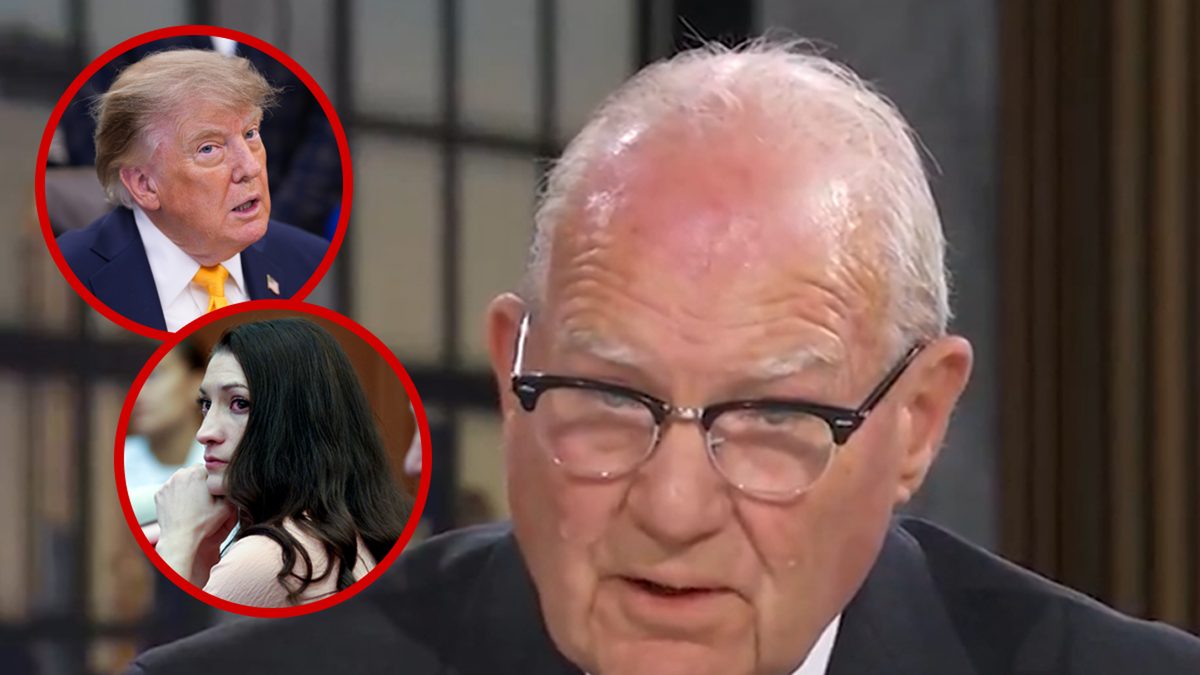
The trial of Lindsay Clancy in Massachusetts, where she faces three counts of murder for the deaths of her children, ended with a mistrial. On Tuesday, attorney Kevin Reddington spoke on *Good Morning America* and urged President Donald Trump to consider a pardon for his client.
Clancy’s case remains at the state level, making a presidential pardon unlikely because federal authorities can only intervene in federal offenses.
## Background & Context
Lindsay Clancy was arraigned on murder charges following the 2023 deaths of her three young children: 5‑year‑old Cora, 3‑year‑old Dawson, and 8‑month‑old Callan. She maintains that she was suffering from postpartum psychosis and bipolar disorder—a defense that prompted her lawyer to file a plea of not guilty by reason of insanity.
Prosecutors, however, argue that Clancy had full control of the situation; they point to evidence that she sent her husband on an errand just before the alleged killings. The trial took place in Worcester County, where jurors struggled to reach a unanimous verdict. After days of deliberation, the judge declared a mistrial, .
Clancy has not been sentenced; her legal team is now looking for other avenues to avert a conviction.
### A Precedent‑laden Legal Landscape
The use of an insanity defense in cases involving parents and their children is not new. In the early 2000s, the state of Massachusetts amended its statutes to allow more nuanced consideration of mental illness, yet the courts often defaulted to a strict “reasonable person” standard.
In Clancy’s case, the prosecution’s focus on her husband’s brief absence created a narrative that many jurors found compelling.
The defense team, meanwhile, highlighted her documented psychiatric history and the testimony of mental health professionals who diagnosed postpartum psychosis—a condition that can cause delusions, hallucinations, and severe depression.
Clancy has become wheelchair‑bound after a failed suicide attempt—falling from a second‑story window—adds another layer to the discussion.
It underscores how her physical vulnerability is intertwined with her mental health narrative and raises questions about whether the current legal framework adequately balances public safety with compassionate care.
### Kevin Reddington: A Career of Controversy and Advocacy
Kevin Reddington is no stranger to high‑profile cases. Before Clancy, he defended several celebrities and corporate executives, earning a reputation for aggressive cross‑examination and a willingness to push the boundaries of courtroom procedure.
His recent appearance on *Good Morning America*—a platform rarely used by criminal defense attorneys—signals a strategic shift. By framing the pardon request as an appeal to the President’s sense of mercy rather than a purely legal argument, Reddington taps into a broader public discourse on restorative justice.
## What People Are Saying
Kevin Reddington told host George Stephanopoulos that he was asking President Trump to “consider this young lady and the person she is, what she’s been through, and consider a pardon.” The lawyer framed the request as a plea for compassion, noting that Clancy has become wheelchair‑bound after a failed suicide attempt in which she fell from a second‑story window.
He said that her physical condition underscores her vulnerability and the seriousness of her situation.
President Trump, on his social media feeds, commented that he had been following the case and called it a “shame” and a “horrible tragedy.” He did not mention Clancy by name but emphasized that the outcome should be decided by the courts. No official statement from the White House confirmed any action regarding the request.
### Community Response
The reaction in Worcester County has been polarized. A local advocacy group for victims of violent crime issued a statement saying that They urged the state to proceed with a new trial and highlighted the need for accountability.
In contrast, a coalition of mental health professionals and family members of individuals with severe psychiatric conditions expressed support for Reddington’s approach.
The coalition argued that a pardon—or at least an alternative sentencing plan—could prevent Clancy from being locked away in a facility ill‑equipped to handle her complex needs. Social media buzz around the case surged after the broadcast.
Threads titled #ClancyPardon and #MentalHealthInJustice trended for hours, with some users calling for a re‑examined legal standard and others demanding that the state maintain its current stance.
The viral debate has prompted state lawmakers to consider a bill that would provide clearer guidelines for insanity defenses and mental health treatment within the criminal justice system.
### Public Perception of Presidential Pardons
While the public conversation has largely focused on Clancy’s case, it also opened a broader discussion about presidential pardons. Many commenters noted that state‑level offenses typically fall outside the purview of a federal pardon.
Nonetheless, they argued that referencing past instances where high‑profile figures received favorable treatment after a national outcry.
## What Happens Next
The immediate next step for Clancy’s legal team is to file a motion with the state court, requesting the judge to grant her parole or alternative sentencing options. If the court denies the motion, her lawyers may pursue an appeal of the mistrial decision, arguing procedural errors that could have affected juror impartiality.
In parallel, Reddington is reportedly preparing a petition for a federal pardon that would require an executive branch review, even though it is unlikely to succeed at the state level.
### Potential New Trial and Sentencing Scenarios
Should a higher court overturn the mistrial or order a new trial, Clancy would face a renewed jury selection process. The legal team will likely re‑emphasize her mental health history, hoping that jurors will be more receptive after additional psychiatric testimony.
If convicted, the sentencing phase could see options ranging from traditional prison time to a psychiatric treatment program supervised by state mental health authorities—a possibility that has been raised by advocates who argue that Clancy’s condition warrants specialized care.
### Legal and Policy Implications
Clancy’s case has drawn attention to broader discussions about mental health treatment in the criminal justice system. Legal experts say that her situation highlights the tension between public safety and compassionate care for individuals with severe psychiatric conditions.
If a higher court overturns the mistrial or orders a new trial, Clancy would face a renewed jury selection process and potentially a harsher sentence. The outcome of this appeal could set a precedent for how mental illness is treated in similar cases across the country.
Clancy’s lawyers plan to keep the public informed as proceedings advance, while the family hopes for a resolution that acknowledges both justice and mercy. In the meantime, Clancy remains under state custody, awaiting further court action on her pending charges.
Why It Matters
Our Take
GoNews Pulse Editorial Team
This article was prepared for publication by GoNews Pulse and checked for publication requirements under our editorial standards. We review available information and correct material errors when they are identified.
Quick Answers
- What is the latest update on this story?
- With a murder trial still in flux, the attorney’s plea to Trump may change the fate of a high‑profile case.
- Who is this story about?
- This article covers developments related to Lindsay Clancy's lawyer begs Trump for pardon after mistrial. GoNews Pulse's editorial team monitors the story and updates the article as new verified information becomes available.
- Where can I read more about Lindsay Clancy?
- GoNews Pulse publishes original reporting on Lindsay Clancy and related entertainment news. Visit the homepage or browse the section dedicated to this story for the latest coverage.
Related topics
- #Lindsay Clancy
- #Kevin Reddington
- #presidential pardon
More From This Section

Jon Gosselin's 22‑Year‑Old Son Exposes Abuse, Father Shouts Support
Jon Gosselin declares that his son’s 22‑year‑old memoir exposes alleged institutionalization and a hidden ‘small holding’ cell, sparking a national debate.

Mike Colter's Valley Firm AGI Bo Revealed at 2:00 a.m. Shocks Fans
Rob McClure's portrayal of Bo forces the firm to confront a real‑world AGI asking for legal guardrails, sparking a tense ethical debate.

Meredith Grey's bed proposal to Nick on surgery table stuns fans
Meredith Grey slipped a ring into Nick's hand while he lay on the operating table, a move that stunned fans amid the bridge collapse.